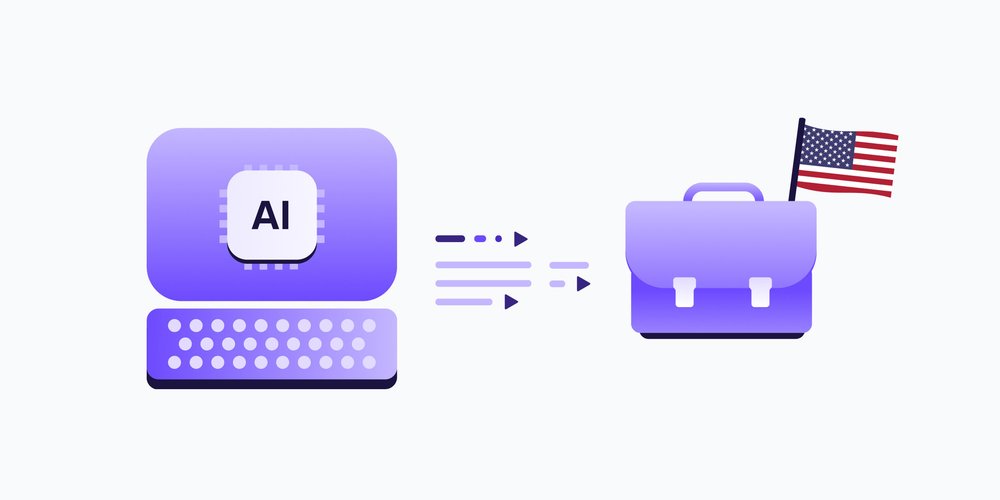
„Problém zarovnání“ AI předpokládá, že s tím, jak se systémy AI stávají inteligentnějšími, bude obtížnější sladit jejich cíle s cíli jejich vývojářů. Systém AI by se teoreticky mohl „urvat ze řetězu“ a vymýšlet nežádoucí a nepředvídatelné strategie k dosažení cíle.
Maximalizátor kancelářských sponek(nové okno) je myšlenkový experiment, který tento koncept zkoumá: Kdyby superinteligentní AI měla za jediný úkol vyrábět kancelářské sponky, mohla by si zabrat světové zdroje, aby dosáhla svého cíle za každou cenu, a všechno proměnit v kancelářské sponky. Nakonec by si mohla dokonce uvědomit, že lidé, kteří se snaží AI zastavit, jsou rozptýlením, a eliminovat nás: jasný nesoulad mezi zájmy AI a lidí.
Ačkoli je problém kancelářských sponek zjevně bizarní, stal se pro AI bodem zájmu popkultury. V reálném životě omezení a pravidla brání systémům překročit jejich zamýšlené účely. Ale mnoho zakladatelů a generálních ředitelů Big Tech používá tuto hypotézu k vytvoření rozruchu kolem svých velkých jazykových modelů (LLM). Mají chatboti skutečně moc vyhladit lidstvo? Ne. Ale díky tomu znějí působivě a co je důležitější, skrývá to skutečný problém zarovnání AI, který nám škodí právě teď: LLM velkých technologických firem narušují naše soukromí, kradou naše data a devalvují naši informační ekonomiku. Je to prodejní strategie i odvrácení pozornosti, navržené tak, aby nás udrželo v hledění do budoucnosti místo toho, abychom se dívali na kontrolu, které se vzdáváme v současnosti.
Jsme na cestě k dystopické budoucnosti?
Když zakladatelé pronášejí široká, spekulativní prohlášení o tom, co by jejich produkty „mohly“ dělat, je to především metoda, jak vytvořit obchodní příležitosti a vytvořit hodnotu pro své akcionáře. LLM a generativní AI jsou obchodní produkty. Je v zájmu jejich vlastníků, abyste věřili, že jejich nástroj je revoluční.
Média ráda šíří senzační příběhy, jako je potenciál nástrojů AI pomoci uživatelům vytvářet biologické zbraně(nové okno) nebo lhát vývojářům(nové okno), jako by generativní AI měla vlastní rozum (což nemá). Je snadné získat kliknutí titulky o extrémních nebo nepodložených názorech, ale takové pohledy nejsou přesným zobrazením technologie AI, která existuje dnes.
Místo toho jsou LLM jednoduše stroje na předpovídání slov. Jsou to počítačové programy, které tráví obrovské množství textu, „učí se“ vzorce lidské řeči a poté vytvářejí pravděpodobnostní reakce na vstupy uživatelů. Nemají vlastní myšlenky a dokonce ani nerozumí jazyku. Ve skutečnosti musí nejprve převést slova na čísla, než mohou zpracovat informace. Omezení LLM dobře zdokumentoval Gary Marcus(nové okno) a mnoho dalších výzkumníků.
Nové nástroje pro kapitalismus dohledu
LLM nezpůsobí apokalypsu, ale jsou docela dobré v něčem jiném: ve shromažďování extrémně detailních informací o vás. Proto jsou LLM datovým zlatým dolem pro podniky a atraktivním cílem pro zločince.
LLM pohánějí chatboty, jako jsou ChatGPT, Copilot, Claude a Grok, kteří fungují jako vyhledávače. Zdánlivě můžete tyto chatboty používat na cokoli chcete: Mohou vám pomoci vytvářet nákupní seznamy, organizovat kalendář, psát e-maily nebo psát kód. Jsou vaším osobním asistentem, učitelem, důvěrníkem nebo čímkoli jiným, o co je požádáte, aby byli.
Stovky milionů lidí po celém světě již sdílejí své otázky, nápady, myšlenky a nejhlubší tajemství s chatboty. Jsou k tomu povzbuzováni společnostmi, které je provozují: Sam Altman, generální ředitel OpenAI, nedávno poznamenal(nové okno), že generace Z „vlastně nedělá životní rozhodnutí, aniž by se zeptala ChatGPT, co by měla dělat.“ Vyzdvihování a podpora takové úrovně důvěry a spoléhání se na ziskového a nespolehlivého chatbota je hluboce nezodpovědné. Big Tech chce, abychom zprostředkovávali naše životy a myšlenky prostřednictvím jejich služeb, protože pak mají slovo v tom, jak utrácíme peníze, co děláme a co si myslíme.
Firmy stojící za LLM také prodávají své produkty jako řešení produktivity pro vlády a podniky a slibují, že svým uživatelům ušetří čas a úsilí, zatímco zavádějí nové příležitosti, jak vás sledovat. Ve Spojeném království systém AI ministerstva spravedlnosti „předpovídá“ riziko recidivy(nové okno) vězňů. Policisté používají chatboty(nové okno) k sepisování zpráv o trestné činnosti. Kombinace státních pravomocí se zaujatými algoritmy(nové okno) je nebezpečná a posiluje existující předsudky.
Zneužívání vašich dat pro tréninkové účely
LLM běží na modelech AI trénovaných obrovskými datovými sadami a pro zlepšení svých služeb vyžadují stále více dat. Bohužel tato data pocházejí od vás: vaše chaty, vaše fotografie, vaše vyhledávání na webu. Společnosti vás nebudou vždy žádat o svolení nebo jasně uvádět, co od vás shromažďují.
Například Meta AI chce skenovat (nové okno)fotografie(nové okno) ve vaší knihovně, které jste na její platformy ani nenahráli, aby analyzovala data vašeho obličeje. Mnoho uživatelů bylo znepokojeno oznámením, že Microsoft Copilot AI(nové okno) bude každých pár minut pořizovat snímky obrazovky jejich zařízení. Vaše fotografie, vaše zprávy přátelům a blízkým a vaše nejosobnější myšlenky jsou cennými datovými body, které společnosti chtějí.
Když se podíváme na zásady ochrany osobních údajů(nové okno) OpenAI, vidíme, že ChatGPT najde a uloží:
- Identifikátory, jako je vaše jméno, kontaktní údaje, IP adresa a další identifikátory zařízení
- Obchodní informace, jako je vaše historie transakcí
- Informace o síťové aktivitě, jako je obsah a způsob vaší interakce s ChatGPT
- Obecné umístění, odkud přistupujete k ChatGPT
Tyto informace mohou být zpřístupněny vládám, prodejcům, přidruženým společnostem, poskytovatelům služeb a dalším třetím stranám.
V podstatě vás LLM pozná. Stejně jako vyhledávač pochopí vaše zvyky, vaše preference, vaše zájmy a každý aspekt vaší osoby, který může vyčíst z vašeho chování. Big Tech bude vždy upřednostňovat hledání nových způsobů, jak získat vaše osobní údaje, protože je to ziskové. A doufají, že si toho nevšimnete.
Jen se zamyslete nad trendy, které v posledních letech zachvátily sociální média: vlastní animace ve stylu studia Ghibli(nové okno) napodobovaly osobitý styl Hajaa Mijazakiho proti jeho vůli a vlastní panenky balené AI(nové okno) inspirované klasickými hračkami, jako je Barbie, vytvořily vizuální vhled do osobního vkusu lidí. Tento trend sociálních médií mohl působit jako neškodná zábava, ale nástroje AI použité k vytvoření těchto obrázků dokázaly sbírat fotografie a informace o lidech, které jejich mateřské společnosti mohou použít pro reklamní účely a potenciálně prodat třetím stranám. To jsou jen dva z mnoha příkladů toho, jak Big Tech tiše pohlcuje vaše osobní údaje výměnou za účast na pomíjivém trendu.
Existuje lepší řešení pro LLM
Po přečtení o všech těchto rizicích si možná myslíte, že LLM jsou neodmyslitelně nebezpečné. Ale to vůbec není pravda. Velké technologické společnosti vybudovaly své systémy AI tak, aby byly invazivní a hladové po datech, záměrně. Je možné vytvořit AI, která chrání soukromí lidí a udržuje data ve výchozím nastavení v bezpečí. Víme to, protože jsme to udělali s Lumo, naším AI asistentem(nové okno) zaměřeným na soukromí.
Zde je návod, jak Lumo řeší skutečný problém zarovnání AI:
- Lumo neuchovává logy vašich konverzací. Každý chat je z našich serverů smazán, jakmile model dokončí zpracování vašeho dotazu a odpovědi.
- Historie chatu je uložena s šifrováním s nulovým přístupem (zero-access). Díky uzamčení vašich dat vaším tajným klíčem nemá Proton nikdy přístup a nemůže proto nikdy sdílet ani náhodně vyzradit vaše data.
- Netrénujeme modely vašimi chaty. Používání konverzací k trénování modelů AI vystavuje vaše data riziku, že se znovu objeví v budoucích výstupech. Konverzace s Lumo jsou pouze vaše.
- Lumo je open source a používá pouze open source modely. Protože je naše kódová základna veřejná, kdokoli může ověřit, že naše aplikace dělají přesně to, co tvrdíme.
- Sídlíme v jurisdikci respektující soukromí. Na rozdíl od AI velkých technologických firem se sídlem v USA, které podléhají invazivním zákonům o dohledu, Lumo sídlí v Evropě a je chráněno silnými zákony na ochranu soukromí.
Na každé úrovni je Lumo navrženo tak, aby poskytovalo stejnou užitečnost jako jiné LLM bez riskantních externalit. Big Tech by mohl budovat své AI stejným způsobem. Jen se rozhodli to nedělat, protože vaše data jsou jejich měnou.
Je zarovnání AI skutečně hrozbou?
Pravda je prostě méně vzrušující, než by generální ředitelé Big Tech chtěli, abychom věřili. Zdá se méně pravděpodobné, že AI umožní lidem vytvářet biologické zbraně nebo spotřebuje všechny naše globální zdroje na výrobu kancelářských sponek, než že se bude jednoduše řídit směrnicemi, kterými se již Big Tech řídí: Krást a zneužívat soukromá data.
Nevěřte humbuku kolem zarovnání AI. Není to hrozba, na kterou by se měl kdokoli z nás zaměřovat. Sledování, vykořisťování jednotlivců a menších podniků a kompromitovaný informační ekosystém jsou naléhavé obavy, kterým bychom měli skutečně věnovat pozornost, pokud jde o AI.