Malé a střední podniky (SMB) se ve velké míře spoléhají na neformální sdílení hesel. Pro členy malých týmů, kteří svým kolegům důvěřují, to působí efektivně, i když někde vzadu v mysli víte, že to není bezpečné.
Ve skutečnosti naše Zpráva o kybernetické bezpečnosti malých a středních podniků 2026 zjistila, že i respondenti, kteří měli správce hesel ve svém technologickém vybavení, stále sdíleli přihlašovací údaje e-mailem, přes aplikace pro zasílání zpráv, ve sdílených dokumentech, v konverzacích nebo v písemné podobě.
Když se ale přihlašovací údaje sdílejí nebezpečným způsobem, vytvářejí strukturální mezery ve vaší bezpečnosti. Až čtyři z pěti malých firem zaznamenaly v nedávné době únik dat a jediný incident může malou firmu stát přes 1 milion USD.
Pokud pro vaši firmu platí některá z následujících situací, možná je čas nahradit sdílené přihlašovací údaje správcem hesel pro firmy.
1. Váš tým spolupracuje na sdílených firemních účtech
Pokud váš tým spravuje sociální sítě, sdílenou schránku podpory nebo pracuje ve stejných analytických či reklamních ovládacích panelech, pravděpodobně potřebuje přístup ke stejným účtům více lidí.
V praxi to znamená, že se přihlašovací údaje sdílejí, aby práce mohla pokračovat. Zároveň to vytváří bezpečnostní riziko.
Když stejné přihlášení používá více lidí, je obtížné sledovat, kdo k účtu přistupoval nebo jaké akce byly provedeny. Co nevidíte, nemůžete kontrolovat. Pokud se něco pokazí, neexistuje spolehlivý způsob, jak aktivitu přiřadit konkrétnímu uživateli.
Správce hesel pro firmy umožňuje týmům sdílet přístup, aniž by odhalily samotné přihlašovací údaje. Heslo zůstává šifrované a centrálně spravované, zatímco zaměstnanci k účtu přistupují, když ho potřebují.
2. Spolupracujete s dodavateli, freelancery nebo agenturami
Možná je to marketingová agentura, která spravuje kampaně, freelancer, který aktualizuje váš web, nebo konzultant, který kontroluje analytiku. Dříve nebo později většina firem potřebuje externí podporu.
Aby práce mohla rychle začít, je běžné poslat jim potřebné přihlašovací údaje.
Jakmile jsou však tyto přihlašovací údaje sdílené, ztrácíte kontrolu nad tím, kde jsou uložené a kdo k nim může mít stále přístup. Přístup může přetrvávat dlouho poté, co spolupráce skončí. To vystavuje riziku odhalení obchodní rozhodnutí, finanční data, záznamy o zákaznících, personální informace i strategické plány.
Správce hesel pro firmy vám umožní udělit přístup ke konkrétním přihlašovacím údajům, aniž byste je trvale odhalili. Když projekt skončí, můžete přístup okamžitě odvolat, aniž byste museli resetovat hesla v celém týmu.
3. Zaměstnanci k vám často nastupují a odcházejí
Noví zaměstnanci potřebují přihlašovací údaje hned první den. Lidé přecházejí mezi rolemi. A když někdo firmu opustí, musíte zajistit, aby už neměl přístup k vašim systémům.
Pokud se přihlašovací údaje sdílejí neformálně, je ukončení spolupráce komplikované. Jedinou spolehlivou možností může být resetování hesel ve více systémech a jejich opětovné rozdělení všem, kdo přístup stále potřebují. V praxi se tento proces často odkládá nebo zůstává nedokončený, a bývalí zaměstnanci tak mají k firemním systémům aktivní přístup.
Správce hesel pro firmy centralizuje sdílení přihlašovacích údajů. Zjednodušuje nástup i odchod zaměstnanců. Přístup lze udělit nebo odvolat z jednoho místa, aniž by týmy musely opakovaně resetovat a rozdělovat hesla.
4. Potřebujete odpovědnost za aktivitu na účtu
Pokud vaše firma spolupracuje s většími klienty nebo působí v regulovaných odvětvích, dříve či později se můžete setkat s bezpečnostními dotazníky, hodnocením rizik dodavatelů a rámci souladu, jako jsou GDPR a HIPAA, které vyžadují jasnou kontrolu přístupu. U sdílených přihlašovacích údajů je obtížné to prokázat.
Pokud stejné přihlášení používá více zaměstnanců, neexistuje spolehlivý způsob, jak aktivitu na účtu přiřadit konkrétní osobě. Nemůžete ovlivnit, kdy tato hodnocení proběhnou, ale můžete zajistit, aby vaše postupy správy přístupu obstály při kontrole.
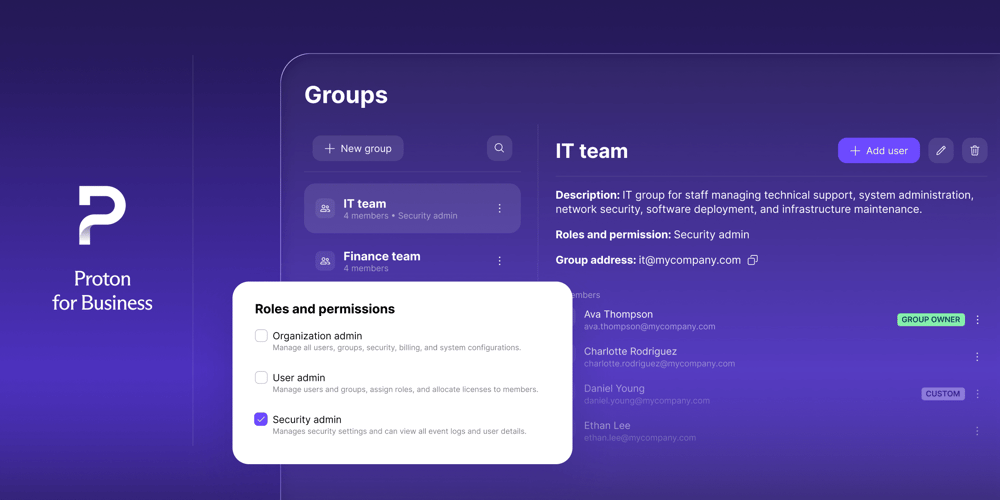
Správce hesel pro firmy poskytuje centralizovanou správu přihlašovacích údajů a protokoly aktivit, díky nimž je přístup snazší auditovat a ověřovat. Každý požadavek na přístup je spojen s konkrétním uživatelem a protokoly aktivit zaznamenávají, kdy byly přihlašovací údaje zobrazeny nebo použity. Místo sdílených přihlášení bez odpovědnosti získáte jasný přehled o tom, kdo k čemu přistupoval a kdy.
5. Vaše hesla jsou uložená v trezorech prohlížeče
Většina prohlížečů dnes nabízí automatické ukládání hesel. Je to pohodlné a mnoho zaměstnanců se při ukládání přihlašovacích údajů k nástrojům, které denně používají, spoléhá právě na tyto vestavěné trezory.
V mnoha případech jsou uložená hesla vázána na účet v prohlížeči a synchronizována mezi zařízeními prostřednictvím cloudové infrastruktury výrobce prohlížeče. To znamená, že přihlašovací údaje jsou uložené v rozsáhlých ekosystémech platforem provozovaných společnostmi, jako jsou Google, Apple nebo Microsoft – tedy stejnými společnostmi, které ovládají samotné prohlížeče.
A protože jsou přihlašovací údaje spravovány v rámci širšího účtu platformy, máte jen omezený přehled o tom, kde jsou uložené, jak jsou chráněné a kdo nakonec ovládá infrastrukturu.
Správce hesel pro firmy uchovává přihlašovací údaje v šifrovaném trezoru navrženém speciálně pro ochranu citlivých dat. Místo spoléhání na infrastrukturu prohlížeče je přístup spravován centrálně, takže přihlašovací údaje zůstávají šifrované, pod kontrolou a viditelné pro vaši organizaci.
Převezměte zpět kontrolu nad svými přihlašovacími údaji
Bez správce hesel se firmy spoléhají na návyky, které nemají plně pod kontrolou. Přihlašovací údaje se opakovaně používají, ukládají se v prohlížečích, posílají se přes chat nebo se zapisují do sdílených dokumentů, aby týmy mohly pokračovat v práci. Postupem času se přístup rozšíří mezi zaměstnance, zařízení a služby, aniž byste měli přehled o tom, kdo co má.
Správce hesel pro firmy dává týmům bezpečný způsob, jak ukládat a sdílet přihlašovací údaje, a správcům zároveň centralizovaný dohled. Přístup lze udělit nebo odvolat okamžitě, sdílená přihlášení zůstávají šifrovaná a zaměstnanci už se při spolupráci nemusí spoléhat na nebezpečné obcházky.
Pokud vaše organizace stále spoléhá na trezory prohlížečů, tabulky nebo neformální sdílení při správě přihlašovacích údajů, možná je čas přehodnotit, jak je přístup kontrolován.
Více informací: Podívejte se, jak Proton Pass pomáhá firmám zastavit úniky informací a zabezpečit přístup(nové okno)