
最新

- Proton Mail
- 製品アップデート
@proton.meアドレスを使用すると、メールアドレスを他の人と簡単に共有できます。この記事で@proton.meアドレスを有効にする方法を学びましょう。

en
Join Proton, Fight for the Future, DuckDuckGo, and others in calling on US
lawmakers to make the internet a level playing field.

en
Despite its popularity, SMS is a dangerously insecure way to send text messages.
We examine why and discuss what you can do about it.

en
- Protonニュース
Our CEO, Dr. Andy Yen, shares the results of our annual Proton community survey
and how it will factor into the coming year of development.

en
- Protonニュース
Our CTO, Bart Butler, outlines what new features and updates you can expect from
Proton over the rest of 2022.


en
A new poll has shown that people overwhelmingly want to be able to choose their
default core apps when setting up a new device.

en
This International Women’s Day, we’re taking the opportunity to spotlight some
of the top female pioneers in data privacy and security.

en
Fingerprinting is a devious way to identify you on the internet and can be very
hard to prevent

en
- Protonニュース
The UK has long been home to one of the largest Proton communities. To better
serve that community, Proton is expanding into London.
en
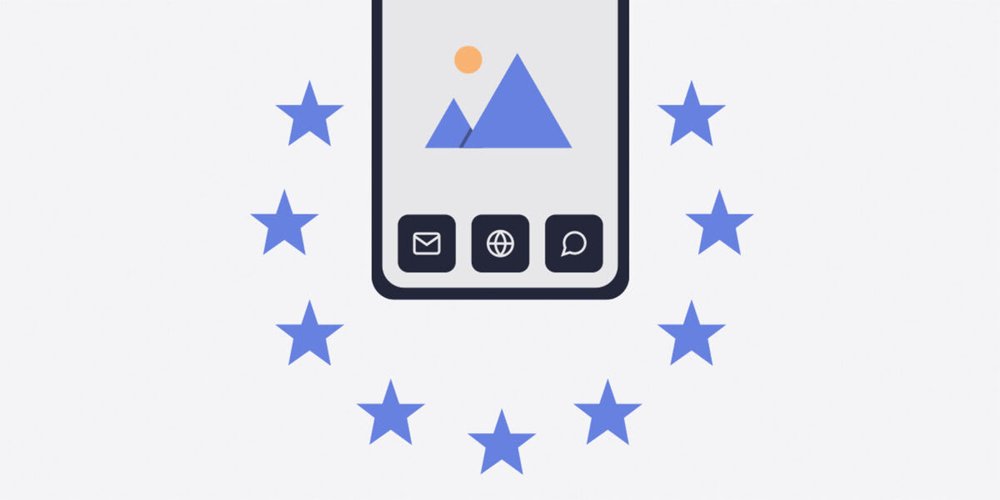
To make the internet a level playing field, the DMA must let people choose their
own default email app. Our CEO, Andy Yen, explains why.