Teknik hjälper företag att arbeta effektivt, identifiera vägar för tillväxt och hantera sin data. Men teknik inbjuder också till risk genom att skapa sårbarheter: föråldrad mjukvara, slapp åtkomsthantering och osäker datalagring är alla frestande mål för hackare. Att skapa en plan för riskhantering av teknik är det mest effektiva sättet att se till att tekniken ditt företag förlitar sig på fungerar effektivt och säkert.
Vad är teknikrisk?
Teknikrisk syftar på alla typer av problem orsakade av ditt företags teknik, oavsett om det är hårdvara eller mjukvara. Det är en bred kategori, men den tenderar att ha en eller flera av följande konsekvenser:
- Förlust av affärskontinuitet: den dagliga verksamheten kan inte fortsätta eftersom arbetare inte kan få åtkomst till data eller tjänster de behöver, vilket orsakar onödig stilleståndstid.
- Säkerhetsintrång: ett hackat konto eller en förlorad arbetsdator kan leda till dataläckor, vilket påverkar dina kunder och skadar ditt rykte.
- Brott mot föreskrifter: att få sin infrastruktur intrångad av en hackare eller att ha data läckt på dark web kan leda till böter från tillsynsorgan, och potentiellt brottsanklagelser.
- Finansiella förluster: stilleståndstid orsakar förlorade intäkter, men det finns allvarligare risker. Ryktesskada, böter från tillsynsmyndigheter och juridiska kostnader kan kosta ditt företag ett betydande belopp och du kan potentiellt upphöra att kunna verka.
Vad är några exempel på teknikrisk?
Som vi nämnde tidigare täcker teknikrisk ett mycket brett spektrum av potentiella problem. För syftet med denna artikel kommer vi att fokusera på följande:
- Mjukvarurisk: detta inkluderar tredjepartsappar och tjänster, samt mjukvaruutveckling inom ditt eget företag.
- Hårdvarurisk: detta inkluderar fysiska objekt som bärbara datorer, surfplattor och telefoner, samt dina servrar. Det inkluderar också säkerhetsnycklar, USB-minnen och bärbara hårddiskar.
- Operativ risk: detta inkluderar hur dina dagliga processer körs, oavsett om det är hur team använder din företagsmjukvara eller hur data delas internt.
- Cybersäkerhetsrisk: detta inkluderar potentiella hot som nätfiske, ransomware och andra typer av skadlig kod(nytt fönster). Det inkluderar också styrkan i din identitets- och åtkomsthantering, till exempel om MFA distribueras i hela din organisation.
- Efterlevnadsrisk: detta inkluderar hur och var dina klient- och kunddata lagras, samt din totala efterlevnad av lokala dataföreskrifter.
Ditt företag behöver planera för teknikrisk
Teknikrisk är inte något som bara drabbar företag med bristande resurser eller förberedelser: det är helt enkelt en biprodukt av att använda teknik. Det kan hända företag av alla storlekar i alla branscher, och i stort sett alla institutioner som använder teknik.
Det amerikanska finansdepartementet drabbades av en stor cyberincident(nytt fönster) 2025 orsakad av ett komprometterat verktyg för fjärrsupport — Kinesiska hackare kunde få åtkomst till dokument tack vare att verktyget för fjärrsupport var en enskild felpunkt i finansdepartementets åtkomsthantering. Det australiska flygbolaget Qantas såg mer än 11 miljoner av sina kundposter läckta på dark web efter en attack från en grupp hackare. Känslig kunddata inklusive namn, adresser och e-postadresser läckte.
Anta inte att din organisation är för liten för att bli måltavla för hackare, eller att du kan verka utan någon typ av plan för teknikrisk. Det är dags att göra en plan.
Skapa en plan för riskhantering av teknik
Din plan för riskhantering av teknik skyddar ditt företag dagligen och säkerställer att du uppfyller dina organisatoriska säkerhetsstandarder samt regulatoriska krav. Den kombinerar policyer, rutiner och verktyg för att hjälpa dig hantera potentiell risk som introduceras av tekniken inom ditt företag. Det bör vara ett levande dokument som du återbesöker när ändringar görs i din IT-infrastruktur, och som du ändrar när dina affärsbehov förändras.
Vanligtvis följer en IT-riskhanteringsplan ungefär samma steg oavsett de specifika behoven hos företaget som skapar den. Vi går igenom processen för att skapa ditt företags skräddarsydda plan för riskhantering av teknik steg för steg för att hjälpa dig förstå hur du kommer igång.
Genomför en bedömning av teknikrisk
En bra plan för riskhantering av teknik börjar med en riskbedömning. Detta är ett viktigt steg i processen eftersom det hjälper dig att identifiera områden i ditt företag och tillgångar inom det som är mest värdefulla eller som utgör störst risk. Skapa en lista över:
- Varje affärsapplikation över alla dina system
- Varje företagsenhet som bärbara datorer, telefoner och surfplattor
- Varje dataset och dess plats
- Varje enhet som nås enligt din plan för ”bring your own device” (BYOD)
- Varje server och/eller datacenter
Syftet med denna övning är att skapa en helhetsbild av ditt företag, vilket låter dig identifiera sårbarheter och risker. Du kan också delegera intressenter inom ditt företag som tar ansvar för riskbedömning och hantering inom sina respektive affärsområden. Detta inkluderar vanligtvis din IT-avdelning samt ekonomi, juridik, efterlevnad och ledarskap.
Bedöm och prioritera potentiella teknikrisker
När du har identifierat varje tillgång kan du börja bedöma effekterna av potentiella risker och hur de kan påverka ditt företag. Se till att leta efter risker inklusive:
- Sårbarhet för säkerhetshot som nätfiskebedrägerier, ransomware och annan skadlig kod
- Föråldrade eller äldre system och mjukvara som inte stöds
- Osäkra inloggningsrutiner eller brist på tvåfaktorsautentisering (2FA) för kritiska tjänster
- Dataintrång
När du har identifierat varje potentiell risk kan du börja prioritera dina resurser därefter. Välj extra cybersäkerhetsåtgärder för att skydda dina mest värdefulla tillgångar och se till att bygga ett tillvägagångssätt med nollkunskap (zero-knowledge) för den mest känsliga data som lagras i ditt nätverk.
Börja planera riskminimering
I slutändan måste du förbereda dig för händelsen att en risk inträffar. Att skapa strategier för att förhindra eller mildra risker är ett realistiskt tillvägagångssätt som ditt företag bara kan dra nytta av. Till exempel, i händelse av att en teammedlems företagskonto komprometteras, hur lätt är det att ta bort åtkomst från användare?
Metoder för minimering och minskning varierar beroende på dina affärsbehov, men överväg att börja med grunderna:
- Skapa en plan för incidenthantering. Detta kommer att fungera som ditt företags guide för att reagera på en incident, och det kan göra hela skillnaden att ha den redo när och om ett dataintrång eller ett hack inträffar.
- Om ditt företag lagrar känslig data på flera (och potentiellt osäkra) platser, minska spridningen. Säkra lösenordshanterare för företag och molnlagring kan göra en enorm skillnad för säkerheten i din företagsdata, samt förbättra åtkomsthanteringen.
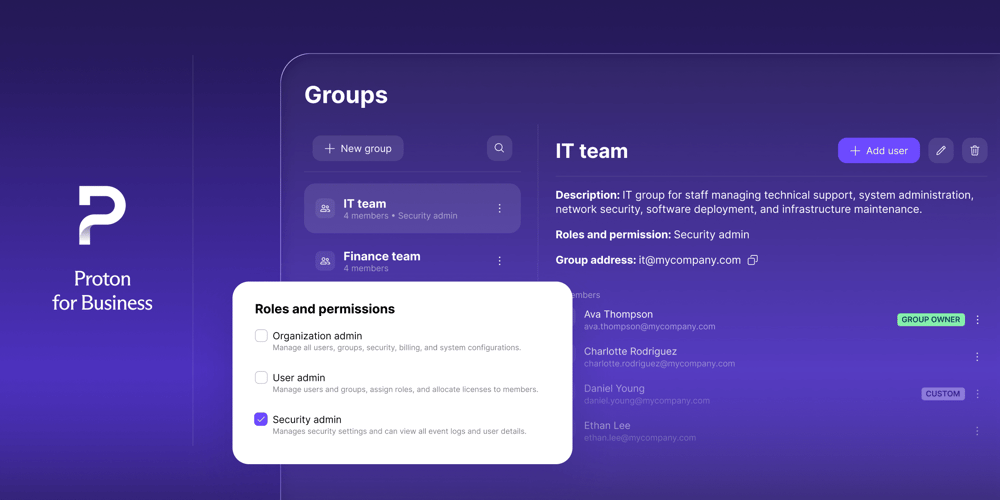
- Överväg nya tekniska kontroller som förbättrar ditt företags cybersäkerhet samtidigt som de ökar produktiviteten. Till exempel är SSO ett utmärkt sätt att säkerställa att åtkomsthanteringen strömlinjeformas för dina IT-administratörer, vilket låter dem hantera användarkonton från en enda plats och ta bort åtkomst omedelbart vid behov.
- Överväg att uppgradera äldre system som har blivit sårbara eller ineffektiva och se till att den senaste versionen av alla företagsapplikationer är distribuerad.
- Se till att dina riskintressenter kommunicerar effektivt om bästa praxis för teknik och hur man undviker risker inom sina respektive avdelningar.
- Genomför regelbunden utbildning, både personligen och online där det är möjligt. Håll konversationen om teknikrisk igång med varje teammedlem så att den alltid är top of mind.
Övervaka för risk
Ju mer du investerar i att övervaka potentiella teknikrisker, desto mer kan du mildra dem. Att upptäcka potentiella dataintrång eller cyberattacker tidigt hjälper ditt företag att kraftigt minska deras potentiella påverkan. Med detta i åtanke är övervakning av dark web och användningsloggar användbara verktyg för att upptäcka obehöriga inloggningar och dataintrång. Konfigurera processer som låter dig övervaka aktivitet i ditt nätverk, och granska sedan effektiviteten i dessa processer över tid. Iteration hjälper ditt företag att hitta de mest effektiva kontrollerna för din miljö och dina affärsbehov.