L’anno scorso, abbiamo condiviso che stavamo ripensando al modo in cui le app Proton Drive interagiscono con il nostro backend costruendo una base condivisa e robusta che tutti i client possano utilizzare. Il nostro obiettivo è offrire a tutti un’esperienza più veloce e affidabile su Proton Drive, sia che tu lo stia utilizzando su Windows, macOS, Android, iOS o tramite l’app web.
Oggi, siamo entusiasti di darti un aggiornamento sui progressi, poiché l’SDK Proton Drive ha continuato a maturare dietro le quinte e ora alimenta le operazioni principali sui file in tutte le app Drive.
Ecco cosa abbiamo fatto finora e cosa verrà dopo.
Una fondazione SDK per tutte le app Drive
L’SDK Proton Drive è il livello condiviso che tutte le app Drive utilizzano per gestire le operazioni in modo sicuro ed efficiente. Invece di implementare questa logica separatamente per ogni app, tutte si affidano alla stessa base.
I seguenti sono ora disponibili per l’anteprima:
- SDK JavaScript
- SDK C#
- Binding per Swift e Kotlin
Gli SDK JavaScript e C# stanno già alimentando alcune funzionalità in tutti i client Proton Drive. A partire dalla prossima settimana, automatizzeremo gli aggiornamenti al repository pubblico(nuova finestra) in modo che gli SDK vengano aggiornati più frequentemente man mano che continuiamo a svilupparli.
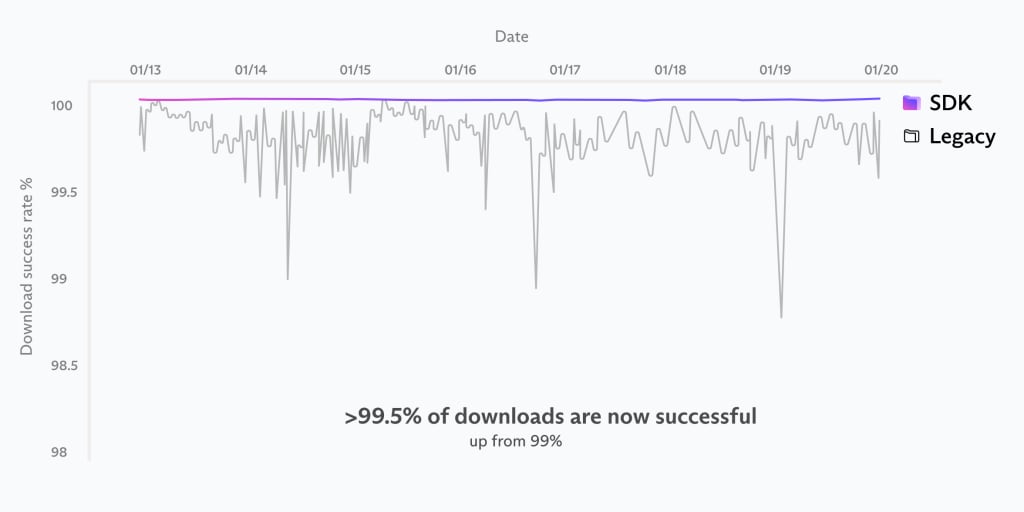
I trasferimenti di file sono più veloci e affidabili
Sviluppare l’SDK ci ha anche dato l’opportunità di ripensare e ottimizzare molto del codice più intenso dal punto di vista delle prestazioni di Drive, che ora abbiamo snellito. Di conseguenza, le app Proton Drive ora offrono upload fino al 60% più veloci su iOS e upload del 30% più veloci e download del 70% più veloci sul web.
Oltre alla pura velocità, l’SDK è costruito per essere la nostra implementazione più robusta e resiliente di sempre, specialmente in condizioni di rete difficili.

Cosa supporta l’SDK in questo momento
Attualmente, gli SDK forniscono le funzionalità principali di Proton Drive:
- Caricare e scaricare file
- Creare cartelle
- Rinominare e spostare elementi
- Eliminare, ripristinare ed eliminare definitivamente file
L’autenticazione e altri moduli specifici di Proton richiesti per integrazioni di terze parti standalone non sono ancora supportati. Quei pezzi arriveranno più tardi. Per ora, l’SDK Proton Drive è più adatto a contributori e prime sperimentazioni. Non è ancora ufficialmente supportato per l’uso da parte di terze parti che vogliono integrare Proton Drive nei propri prodotti.
Strumenti CLI in arrivo
Gli SDK non coprono ancora ogni flusso di lavoro, specialmente con alcune funzionalità ancora in fase di sviluppo. Per colmare questa lacuna, stiamo lavorando su strumenti a riga di comando (CLI) che forniscono funzionalità di Drive non ancora disponibili negli SDK. Sarai in grado di:
- Eseguire comandi direttamente per attività comuni
- Costruire su di essi senza fare reverse engineering di Proton Drive
Puntiamo a rendere questi strumenti CLI disponibili nel prossimo trimestre (aprile – giugno 2026).
Cosa c’è dopo
Nel corso del 2026, migreremo tutte le funzionalità esistenti di Proton Drive nell’SDK e costruiremo tutte le nuove funzionalità su di esso.
Le nostre priorità sono:
- Completare il lancio dell’SDK su tutti i client Proton Drive, in modo che le app desktop, mobili e web utilizzino la stessa codebase.
- Aggiornare gli algoritmi di crittografia di Drive per utilizzare l’accelerazione hardware sul dispositivo, offrendo operazioni più veloci e riducendo al contempo l’utilizzo della CPU.
- Aggiungere le funzionalità di Drive ancora mancanti all’SDK, iniziando con upload e download di foto, condivisione di file, dispositivi e revisioni di file.
- Passare gradualmente verso un unico percorso di integrazione ben documentato su cui le app di terze parti possano fare affidamento.
- Costruire un client Linux utilizzando l’SDK, il che accelera lo sviluppo e lo mantiene coerente con gli altri client Proton Drive.
Vuoi aiutare?
Sebbene l’SDK non sia ancora pronto per creare app completamente standalone, accogliamo con favore il feedback da contributori e primi esploratori. Dai un’occhiata al repository pubblico(nuova finestra) e unisciti alla discussione su r/ProtonDrive(nuova finestra) usando il tag sdk-preview-discussion.
Grazie per il tuo continuo supporto,
Il team di ingegneria di Proton Drive