ทีมส่วนใหญ่กำหนดกลยุทธ์การดำเนินธุรกิจอย่างต่อเนื่องบนสมมติฐานที่ว่าการสำรองข้อมูลสามารถช่วยกู้คืนระบบหลังจากเกิดการหยุดชะงักได้ แต่การสร้างไฟล์สำเนาของข้อมูลในตำแหน่งที่แยกต่างหากเป็นเพียงส่วนหนึ่งในแผนการปกป้องข้อมูลจากมัลแวร์เรียกค่าไถ่ การลบโดยไม่ตั้งใจ หรือความเสียหายของข้อมูล
การสูญเสียข้อมูลไม่ใช่ผลกระทบเพียงอย่างเดียวจากการหยุดชะงัก แต่ยังรวมถึงการสูญเสียการสื่อสารด้วย หากผู้ให้บริการคลาวด์ที่เป็นรากฐานของอีเมลและการประชุมทางวิดีโอหยุดทำงาน จะทำให้ไม่สามารถติดต่อกับลูกค้า ผู้ให้บริการ และสูญเสียความสามารถในการ ทำให้การดำเนินงานกลับมาออนไลน์ แผนการดำเนินธุรกิจอย่างต่อเนื่องที่สมบูรณ์จะช่วยให้สามารถเข้าสู่ระบบ พูดคุยกับทีมงาน และจำกัดความเสียหายได้
กลยุทธ์ความต่อเนื่องทางธุรกิจคืออะไร?
ความต่อเนื่องทางธุรกิจคือชุดแผน กระบวนการ และขั้นตอนที่องค์กรใช้เพื่อให้ฟังก์ชันที่จำเป็นยังคงทำงานต่อไปได้ในระหว่างและหลังจากเกิดการหยุดชะงัก โดยทั่วไปจะรวมถึงการประเมินความเสี่ยง ขั้นตอนการตอบสนองต่อเหตุฉุกเฉิน แผนการสื่อสาร การสำรองข้อมูลและการกู้คืน การฝึกอบรมพนักงาน ตลอดจนกำหนดเวลาปกติสำหรับการทดสอบและอัปเดตแผนดังกล่าว
คู่มือการจัดการการดำเนินธุรกิจอย่างต่อเนื่องของ FFIEC(หน้าต่างใหม่) (เขียนขึ้นสำหรับสถาบันการเงินแต่สามารถนำไปประยุกต์ใช้ได้อย่างกว้างขวาง) เน้นย้ำว่าการวางแผนการดำเนินธุรกิจอย่างต่อเนื่องคือการรักษา ดำเนินการต่อ และกู้คืนธุรกิจ ไม่ใช่เพียงแค่เทคโนโลยีเท่านั้น
ความต่อเนื่องทางธุรกิจกับการวางแผนกู้คืนระบบหลังภัยพิบัติ
กลยุทธ์การดำเนินธุรกิจอย่างต่อเนื่องมักจะถูกนำไปปะปนกับการวางแผนกู้คืนระบบจากภัยพิบัติ และบางครั้งทั้งสองอย่างนี้ก็สับสนกับการตอบสนองต่อเหตุการณ์ โดยทำงานร่วมกันแต่มีเป้าหมายที่แตกต่างกัน
| การตอบสนองต่อเหตุการณ์ | การกู้คืนระบบจากภัยพิบัติ | การวางแผนการดำเนินธุรกิจอย่างต่อเนื่อง |
| ตรวจจับภัยคุกคาม ลบออก จากระบบที่ได้รับผลกระทบ และตรวจสอบผลกระทบเพื่อป้องกันไม่ให้เกิดขึ้นซ้ำ | กู้คืนระบบไอทีและข้อมูลหลังจากเกิดการหยุดชะงัก | ดำเนินงานที่จำเป็นต่อไปในระหว่างที่เกิดการหยุดชะงัก แม้ว่าเทคโนโลยีจะลดประสิทธิภาพลงก็ตาม |
เหตุใดการมีกลยุทธ์การดำเนินธุรกิจอย่างต่อเนื่องจึงมีความสำคัญ
การหยุดชะงักเป็นสิ่งที่หลีกเลี่ยงไม่ได้ ปัจจุบันธุรกิจต่าง ๆ ต้องพึ่งพาเครื่องมือที่ทำงานบนสามคลาวด์เดียวกัน ได้แก่ Microsoft Azure, Google Cloud และ AWS
เมื่อโครงสร้างพื้นฐานเหล่านี้ล้มเหลว ธุรกิจหลายพันแห่งก็ต้องหยุดชะงักไปด้วย ความล้มเหลวของโครงสร้างพื้นฐานในระดับและความรุนแรงของ การหยุดทำงานของ CrowdStrike(หน้าต่างใหม่) ในปี 2024 และ การหยุดทำงานของ AWS(หน้าต่างใหม่) ในเดือนตุลาคม 2025 ได้ส่งผลให้สายการบิน โรงพยาบาล ระบบการชำระเงิน และเครื่องมือทางธุรกิจในชีวิตประจำวันต้องหยุดชะงักลงภายในเวลาไม่กี่ชั่วโมง
ในการหยุดทำงานของระบบทางเทคนิค จะไม่สามารถดำเนินการใด ๆ ได้ จนกว่าผู้ให้บริการจะกู้คืนระบบ จึงจะสามารถดำเนินการต่อได้
การดำเนินงานผ่านวิกฤตไม่ใช่สิ่งเดียวที่ต้องพิจารณา การดำเนินธุรกิจอย่างต่อเนื่องมีความคาบเกี่ยวกับการกำกับดูแลและการปฏิบัติตามข้อกำหนด กรอบการทำงานที่ได้รับการยอมรับ เช่น ISO 22301(หน้าต่างใหม่) กำหนดให้ต้องมีหลักฐานว่าการดำเนินธุรกิจอย่างต่อเนื่องสามารถทำซ้ำได้ มีผู้รับผิดชอบ และผ่านการทดสอบแล้ว
นั่นหมายถึง:
- จัดทำเอกสารเกี่ยวกับฟังก์ชันการทำงานที่สำคัญ กำหนดความหมายของ “เวลาที่ระบบหยุดทำงาน” ในรูปแบบที่วัดผลได้ และแสดงหลักฐานว่ามาตรการควบคุมที่เลือกใช้ได้ผลและมีพัฒนาการที่ดีขึ้นตามลำดับ
- กำหนดบทบาทที่มีอำนาจตัดสินใจที่ชัดเจนเพื่อเพิ่มความรับผิดชอบในแผน ทุกคนควรทราบว่าบทบาทคืออะไรเมื่อเกิดความผิดพลาดขึ้น
- ซักซ้อมสถานการณ์จำลอง (การหยุดทำงานของการยืนยันตัวตนที่เชื่อมโยงกับผู้ให้บริการ SaaS, การโจมตีข้อมูลยืนยันตัวตนที่บังคับให้ต้องหมุนเวียนข้อมูลอย่างรวดเร็ว, มัลแวร์เรียกค่าไถ่ที่ต้องแยกส่วนระบบและเปลี่ยนแปลงการเข้าถึงฉุกเฉิน) ซึ่งสร้างแรงกดดันต่อทั้งองค์กรภายใต้สภาวะที่สมจริงด้วยจำนวนพนักงานที่จำกัด ขอบเขตที่ไม่แน่นอน และการเข้าถึงที่ถูกจำกัด
วิธีการสร้างกลยุทธ์การดำเนินธุรกิจอย่างต่อเนื่องที่แข็งแกร่ง
หากแผนเพียงอย่างเดียวคือการกู้คืนจากการสำรองข้อมูล แสดงว่ากำลังประเมินความซับซ้อนในการดำเนินงานของเหตุการณ์ต่ำเกินไป แผนนี้จะช่วยลดไดรเวอร์ที่อาจก่อให้เกิดระบบหยุดทำงานมากที่สุด และช่วยให้ดำเนินการกู้คืนระบบเป็นไปได้จริงภายใต้ความกดดัน
1. ทราบสิ่งจำเป็นที่ต้องดำเนินการต่ออย่างต่อเนื่อง
การวิเคราะห์ผลกระทบทางธุรกิจที่ดีและการประเมินความเสี่ยงที่แม่นยำ การวิเคราะห์ผลกระทบทางธุรกิจที่ดีและการประเมินความเสี่ยงที่แม่นยำถือเป็นรากฐานของแผนการดำเนินธุรกิจอย่างต่อเนื่องที่มีประสิทธิภาพ หากต้องการกำหนดว่าฟังก์ชันใดมีความสำคัญ ให้ถามทีมไอที หัวหน้าแผนก และผู้นำฝ่ายปฏิบัติการ ว่าจะเกิดอะไรขึ้นหากสูญเสียการเข้าถึง:
- ผู้ให้บริการข้อมูลระบุตัวตนและคอนโซลผู้ดูแลระบบ
- พื้นที่จัดเก็บรหัสผ่านและคีย์
- กล่องจดหมายที่ใช้แชร์ร่วมกันและช่องทางการสื่อสารกับลูกค้า
- เครื่องมือทางการเงินและขั้นตอนการทำงานด้านการชำระเงิน
- เส้นทางการเข้าถึงของผู้ให้บริการและการบูรณาการระบบ
การทำแผนผังความเชื่อมโยงเหล่านี้จะช่วยให้เห็นภาพรวมที่สมบูรณ์ว่าเครื่องมือใดบ้างที่จะขัดข้องพร้อมกันเมื่อเกิดการหยุดทำงานของระบบ
2. ควบคุมการเข้าถึง ควบคุมเหตุการณ์ที่เกิดขึ้น
ข้อมูลยืนยันตัวตนคือชั้นการควบคุม สิ่งเหล่านี้จะกำหนดว่าใครสามารถดำเนินการได้บ้าง ข้อมูลยืนยันตัวตนคือชั้นการควบคุม สิ่งเหล่านี้จะกำหนดว่าใครสามารถดำเนินการได้บ้าง จะสามารถจำกัดความเสียหายได้รวดเร็วเพียงใด และทีมงานจะสามารถทำงานต่อไปได้หรือไม่โดยไม่ถูกโจมตีในด้านความปลอดภัย
ก่อนเกิดเหตุการณ์ ให้จัดทำโครงสร้างสำหรับ:
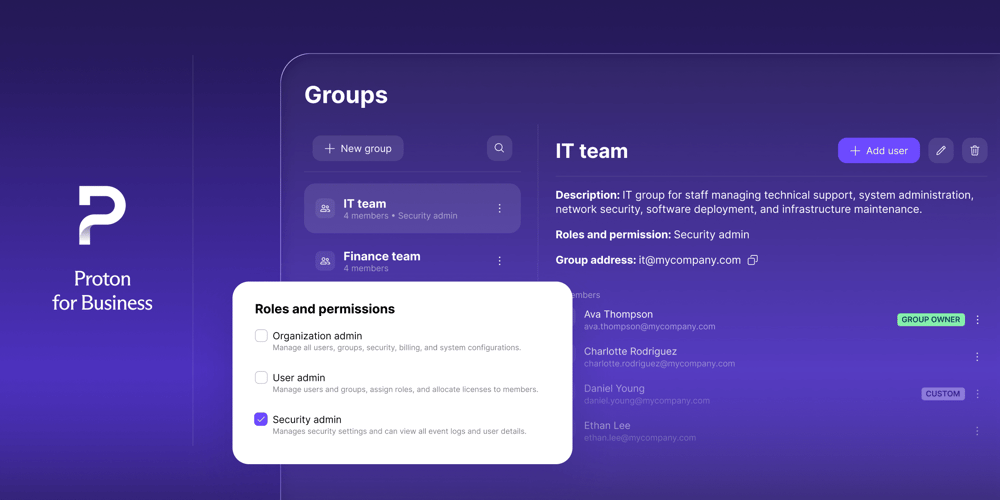
- บทบาทที่จำกัดสิ่งที่แต่ละคนสามารถเข้าถึงได้โดยค่าเริ่มต้น
- บัญชีผู้ดูแลระบบเฉพาะ
- ขั้นตอนปฏิบัติที่จัดทำเป็นเอกสารสำหรับการเข้าถึงในกรณีฉุกเฉินเมื่อการยืนยันตัวตนตามปกติล้มเหลว
- สิทธิ์ความเป็นเจ้าของที่ชัดเจนในทุกระบบที่สำคัญและห้องนิรภัยเก็บข้อมูลยืนยันตัวตน
- การตรวจสอบสิทธิ์การเข้าถึงอย่างสม่ำเสมอว่าเป็นปัจจุบัน และกระบวนการลบออกเมื่อมีคนลาออก
- พื้นที่จัดเก็บรหัสผ่านที่ควบคุมการเข้าถึงแบบรวมศูนย์
ยิ่งมีข้อมูลยืนยันตัวตนที่ไม่รู้จักน้อยลงเท่าใด ก็ยิ่งสามารถจำกัดขอบเขตเหตุการณ์และทำให้การดำเนินงานกลับมาออนไลน์ได้เร็วขึ้นเท่านั้น
3. สร้างคู่มือการรับมือเมื่อข้อมูลยืนยันตัวตนถูกโจมตี
การโจมตีข้อมูลยืนยันตัวตนมักจะกระตุ้นให้เกิดการดำเนินการด้านความต่อเนื่องที่หยุดชะงักมากที่สุด ได้แก่ การกระตุ้นให้เกิดการรีเซ็ตจำนวนมาก เซสชันถูกยกเลิก บังคับเปลี่ยน การยืนยันตัวตนแบบหลายปัจจัย (MFA) การตรวจสอบการเข้าถึง และการสื่อสารในกรณีฉุกเฉิน สำหรับธุรกิจขนาดเล็ก ผลกระทบดังกล่าวมีความรุนแรงเป็นพิเศษ: รายงานความปลอดภัยทางไซเบอร์สำหรับ SMB ปี 2026 ของ Proton(หน้าต่างใหม่) พบว่าหนึ่งในสี่ประสบปัญหาการโจมตีทางไซเบอร์หรือการละเมิดข้อมูลในปีที่ผ่านมา
คู่มือปฏิบัติการเมื่อข้อมูลยืนยันตัวตนถูกโจมตีควรตอบคำถามต่อไปนี้ได้:
- จะตรวจพบสัญญาณของการโจมตีได้อย่างไร?
- ใครบ้างที่สามารถยกเลิกการเข้าถึงได้ และสามารถดำเนินการได้ที่ใด?
- สิ่งใดที่ต้องทำการหมุนเวียนก่อนเป็นอันดับแรก (บัญชีที่ได้รับสิทธิ์สูง ห้องนิรภัยที่แชร์ คีย์ API)?
- จะสื่อสารการเปลี่ยนแปลงอย่างไรโดยไม่ทำให้ข้อมูลลับรั่วไหล?
- จะดูแลการดำเนินงานส่วนที่ติดต่อกับลูกค้าให้ทำงานอย่างต่อเนื่องในระหว่างการรีเซ็ตได้อย่างไร?
การตรวจสอบขอบเขตการเปิดเผยข้อมูลยืนยันตัวตนเหล่านี้จะช่วยระบุสิ่งที่เกิดขึ้น จำกัดผลกระทบ และทำความเข้าใจเพื่อให้แน่ใจว่าจะไม่เกิดขึ้นซ้ำอีก
4. ใช้การเข้ารหัสลับเพื่อลดรัศมีความเสียหาย
การเข้ารหัสลับ มักถูกมองว่าเป็นเพียงเครื่องหมายการปฏิบัติตามข้อกำหนด ในแง่ของความต่อเนื่อง การเข้ารหัสลับจะช่วยลดรัศมีความเสียหายเมื่อเกิดข้อผิดพลาดขึ้น
ตัวอย่าง:
- โมเดล การเข้ารหัสลับจากต้นทางถึงปลายทาง(หน้าต่างใหม่) จะจำกัดการมองเห็นเนื้อหาที่ละเอียดอ่อน ซึ่งอาจมีความสำคัญต่อสถานะความเสี่ยงและ การปกป้องข้อมูล
- การเข้ารหัสลับแบบ Zero-knowledge หมายความว่าผู้ให้บริการไม่สามารถเข้าถึงข้อมูลได้ แม้จะถูกบังคับทางกฎหมายก็ตาม
- ห้องนิรภัยเก็บข้อมูลยืนยันตัวตนที่เข้ารหัสซึ่งได้รับการปกป้องโดยคีย์การเข้าถึงจะช่วยลดความเสี่ยงที่ความลับจะถูกเปิดเผยผ่านการโจมตีอุปกรณ์หรือพื้นที่จัดเก็บข้อมูลที่ไม่ปลอดภัย
- การเข้ารหัสลับที่แข็งแกร่งยังช่วยสนับสนุนการทำงานร่วมกันที่ปลอดภัยยิ่งขึ้น (การแชร์การเข้าถึงโดยไม่เปิดเผยข้อมูลลับในรูปแบบข้อความธรรมดา)
นี่เป็นจุดที่หลายทีมมักจะประสบปัญหา เนื่องจากต้องการการเข้ารหัสลับแต่กังวลว่าจะทำให้การทำงานช้าลง เครื่องมือที่เหมาะสมจะช่วยให้การเข้ารหัสลับกลายเป็นส่วนหนึ่งของเวิร์กโฟลว์ปกติ ไม่ใช่กระบวนการพิเศษที่ผู้ใช้พยายามจะเลี่ยงผ่าน
Proton สนับสนุนกลยุทธ์การดำเนินธุรกิจอย่างต่อเนื่องอย่างไร?
Proton(หน้าต่างใหม่) ทำงานบนโครงสร้างพื้นฐานที่เป็นอิสระจาก Google, Microsoft และ AWS อย่างสิ้นเชิง และได้รับการเข้ารหัสลับจากต้นทางถึงปลายทาง ดังนั้นแม้แต่ Proton ก็ไม่สามารถเข้าถึงข้อมูลได้ และเนื่องจาก Proton ดำเนินงานภายใต้ เขตอำนาจศาลของสวิส จึงไม่อยู่ภายใต้บังคับของกฎหมาย CLOUD Act หรือ FISA ข้อมูลยังคงเป็นของตนเอง รวมถึงในระหว่างเกิดเหตุการณ์ด้วย
ด้วยข้อเสนอการสื่อสารนอกเครือข่ายของ Proton สามารถวางแผนล่วงหน้าได้โดยการตั้งค่าบัญชีที่ไม่ได้ใช้งานใน Proton Mail
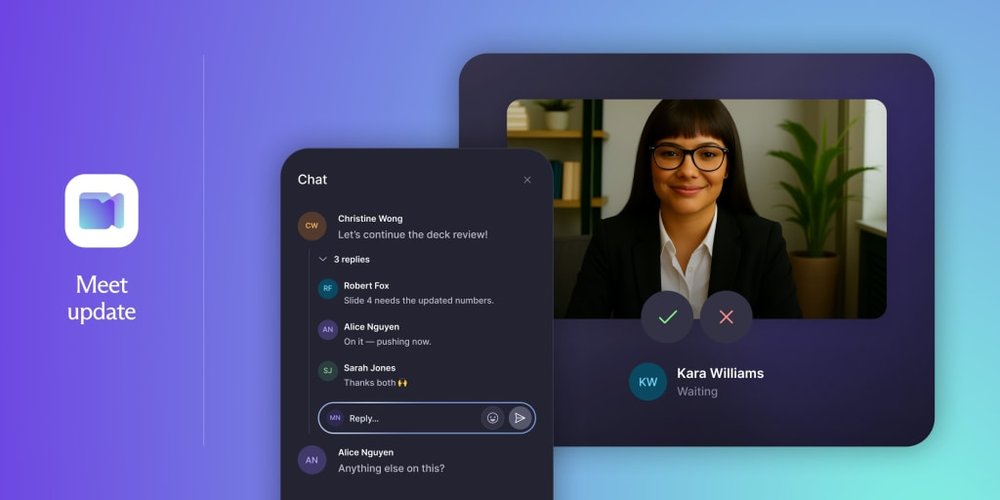
เมื่อเกิดเหตุการณ์ขึ้น สามารถเปิดใช้งานได้ทันทีเพื่อส่งอีเมลและจัดการประชุมทางวิดีโอด้วย Proton Meet ต่อไป เพื่อให้ยังคงสามารถติดต่อคู่ค้าทางธุรกิจและให้บริการลูกค้าได้อย่างต่อเนื่องโดยไม่มีเวลาหยุดทำงานของระบบ เนื่องจากดำเนินงานบนโครงสร้างพื้นฐานที่เป็นอิสระซึ่งตั้งอยู่ในยุโรป จึงไม่ได้รับผลกระทบจากการหยุดทำงานของบริษัทเทคโนโลยีรายใหญ่
เวลาที่เหมาะสมในการสร้างโครงสร้างพื้นฐานคือช่วงเวลาก่อนที่จะจำเป็นต้องใช้งาน หากต้องการทราบว่า Proton Workspace ตอบโจทย์อย่างไร เรียนรู้เพิ่มเติมเกี่ยวกับ ข้อเสนอการดำเนินธุรกิจอย่างต่อเนื่องใหม่(หน้าต่างใหม่).