เมื่อพนักงานของคุณใช้เครื่องมือ AI ที่คุณไม่ได้อนุมัติ พวกเขาจะสร้างบัญชีที่คุณมองไม่เห็น ปกป้องไม่ได้ หรือสั่งปิดไม่ได้ โดยแต่ละบัญชีมีประวัติแชทที่เต็มไปด้วยข้อมูลธุรกิจของคุณ
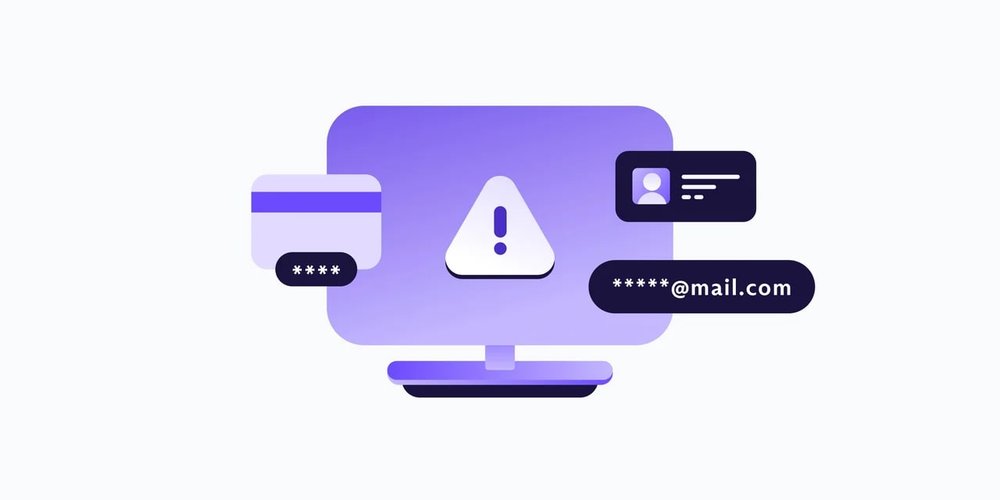
งานวิจัยใหม่ที่เผยแพร่โดย SOCRadar(หน้าต่างใหม่) พบว่าองค์กรทั่วโลกมากกว่า 80,000 แห่งมีข้อมูลการเข้าสู่ระบบ AI ของพนักงานปรากฏอยู่ในบันทึกของ infostealer Infostealer เป็นมัลแวร์ประเภทหนึ่งที่รวบรวมรหัสผ่าน คุกกี้เซสชัน ข้อมูลทางการเงินและข้อมูลส่วนบุคคล และบันทึกแชทจากอุปกรณ์ที่ติดเชื้อ แล้วส่งกลับไปยังผู้โจมตี ข้อมูลดังกล่าวทำให้การโจมตีแบบฟิชชิ่งหรือแรนซัมแวร์ได้ผลมากขึ้นมาก
ตามผลการวิจัย บันทึกเหล่านี้ถูกเก็บโดยมัลแวร์ infostealer ที่เป็นที่รู้จักกันดี ซึ่งวางขายบน Telegram ตั้งแต่ปี 2022 เนื่องจากมัลแวร์นี้วางขายมานานหลายปี จึงเป็นไปไม่ได้ที่จะรู้ว่ามีอาชญากรกี่รายที่ใช้มันและแพร่เชื้อเข้าสู่อุปกรณ์ของผู้คนได้อย่างไร สิ่งที่เรารู้คือ พวกเขามุ่งเป้าไปที่อุปกรณ์ที่มีสิทธิ์เข้าถึงขององค์กรและยึดเซสชัน Claude ของเหยื่อ ผู้ใช้ระดับธุรกิจสังเกตว่าการใช้งานแบบเสียค่าใช้จ่ายของตนถูกใช้จนหมดภายในชั่วข้ามคืนหลังจากที่อาชญากรไซเบอร์เข้าถึงบัญชีได้แล้ว
งานวิจัยของ SOCRadar ชี้ให้เห็นว่า ข้อมูลยืนยันตัวตนของเซสชัน AI มีมูลค่าสูงมากสำหรับผู้โจมตี การเข้าสู่ระบบ AI เพียงครั้งเดียวสามารถปลดล็อก “ที่เก็บถาวรที่ค้นหาได้ กลไกประมวลผล แหล่งทรัพยากรที่คิดค่าใช้จ่ายได้ และข้อมูลระบุตัวตน — และเซสชันที่ถูกขโมยจะส่งมอบทั้งหมดนั้นโดยไม่ต้องมีการยืนยันรหัสผ่าน” ตามที่รายงานระบุ สำหรับอาชญากรแล้ว นี่คือเหมืองทองคำ
ข้อสรุปที่น่ากังวลสำหรับธุรกิจที่นำ AI มาใช้ในปัจจุบัน คือ ข้อมูลยืนยันตัวตนเหล่านี้ไม่ได้รั่วไหลเพราะความปลอดภัยของแพลตฟอร์ม AI เอง แต่รั่วไหลเพราะปัจจัยที่เห็นได้ไม่ชัดสองประการ ได้แก่ จำนวนพนักงานที่ใช้เครื่องมือ AI อย่างมหาศาล และสัดส่วนการใช้งานที่เพิ่มขึ้นซึ่งเกิดขึ้นนอกการควบคุมของฝ่ายไอที
งานวิจัยเปิดเผยอะไรบ้าง
โดยรวมแล้ว รายงานระบุว่าข้อมูลยืนยันตัวตนของบริการ AI ปรากฏอยู่ในบันทึกของ infostealer เป็นจำนวนมาก ประเด็นสำคัญมีดังนี้
- พบระเบียนมากกว่า 1,000,000 รายการที่เชื่อมต่อกับบริการ AI กระจายอยู่ทั่ว 80,000 โดเมนขององค์กรที่ไม่ซ้ำกัน
- จากชุดข้อมูลนั้น ได้ตรวจสอบกลุ่มตัวอย่าง 482 องค์กรที่ระบุว่าเป็นองค์กรขนาดใหญ่ ซึ่งส่วนใหญ่ตั้งอยู่ในอเมริกาเหนือ — 68% ขององค์กรเหล่านี้มีมูลค่าหลายพันล้านดอลลาร์
- บริษัทเทคโนโลยีเป็นกลุ่มที่ใหญ่ที่สุด มีจำนวน 144 บริษัท คิดเป็น 40% ของระเบียนทั้งหมด
- องค์กร 482 แห่งเหล่านั้นมีบันทึกจำนวน 5,434 รายการที่เชื่อมโยงกับที่อยู่อีเมลขององค์กร 1,500 ที่อยู่
- การเปิดเผยข้อมูลเกิดขึ้นเมื่อไม่นานมานี้ องค์กร 295 แห่งจากทั้งหมด 482 แห่งมีบันทึกของ infostealer ปรากฏขึ้นในช่วง 90 วันที่ผ่านมา
- ChatGPT ปรากฏอยู่ในบันทึกของ 358 องค์กรจากทั้งหมด 482 แห่ง และในประมาณ 90% ของระเบียน รองลงมาคือ Zapier Notion Hugging Face Replit Lovable และ ElevenLabs
สถิติสุดท้ายนี้ทำให้เกิดคำถามที่ชัดเจนว่า ทำไมจึงเป็น ChatGPT คำอธิบายของ SOCRadar ไม่ได้เกี่ยวข้องกับตัวเครื่องมือมากนัก แต่เกี่ยวข้องกับวิธีที่พนักงานใช้งานเครื่องมือเหล่านั้น
Shadow AI กำลังสร้างความเสี่ยง
Shadow AI คือเครื่องมือ AI ใดก็ตามที่พนักงานใช้งานโดยไม่ได้รับอนุมัติหรือโดยที่บริษัทไม่รู้ พนักงานนำ Shadow AI เข้าสู่เครือข่ายธุรกิจของตนเมื่อบัญชีสำหรับองค์กรมีข้อจำกัด หรือเครื่องมือที่มีอยู่ไม่มีประสิทธิภาพเพียงพอสำหรับงานที่กำลังทำ
นักวิจัยที่ SOCRadar ให้ความเห็นว่า
“เรามองว่าการที่ ChatGPT ครองส่วนแบ่งเกือบทั้งหมดเป็นสัญญาณของ Shadow AI ไม่ใช่คำตัดสินเกี่ยวกับความปลอดภัยของผู้ให้บริการรายใด ความได้เปรียบในการเป็นผู้บุกเบิกของ ChatGPT หมายความว่าน่าจะมีผู้ใช้ระดับองค์กรมากกว่ามาก — หลายรายลงทะเบียนด้วยอีเมลที่ทำงานบนอุปกรณ์ส่วนตัว นอกเหนือจากนโยบายใด ๆ ซึ่งเป็นกลุ่มประชากรที่ infostealer เก็บข้อมูลพอดี ส่วน Claude และ Gemini แทบไม่ปรากฏ เพราะมีพนักงานเพียงไม่กี่รายที่สร้างบัญชีบนแพลตฟอร์มเหล่านี้อย่างเงียบ ๆ — ไม่ใช่เพราะข้อมูลยืนยันตัวตนเหล่านั้นปลอดภัยกว่าที่จะขโมย เมื่อองค์กรหันมาใช้ผู้ช่วยรายอื่นมากขึ้น เราคาดว่าแผนภูมินี้จะสมดุลขึ้น”
ดังนั้น ความปลอดภัยของ ChatGPT จึงไม่ใช่สาเหตุที่เครื่องมือนี้โดดเด่นในบันทึกของ infostealer ChatGPT ครองอันดับหนึ่งเพราะมีผู้ใช้ระดับองค์กรมากที่สุด และเพราะผู้ใช้จำนวนมากใช้งานนอกนโยบายของบริษัท
พนักงานอาจพยายามหลีกเลี่ยงนโยบายไอทีที่เข้มงวดซึ่งขัดขวางไม่ให้พวกเขาเลือกทางที่เร็วหรือง่ายที่สุด แต่พวกเขาอาจไม่รู้จริง ๆ ว่ามีนโยบายหรือข้อจำกัดอะไรบ้าง ธุรกิจของคุณไม่สามารถปกป้องบัญชีที่ไม่รู้ว่ามีอยู่ หรือคำค้นหาที่ทำนอกบัญชีขององค์กรได้
ไม่ว่าเจตนาจะเป็นอย่างไร เมื่อพนักงานใช้ AI ทั้งเพื่อส่วนตัวและเพื่อธุรกิจรวมกัน พวกเขาจะละเมิดนโยบายการใช้ข้อมูลของบริษัทคุณ และตกอยู่ภายใต้ข้อกำหนดสำหรับผู้บริโภคของ OpenAI แทน
OpenAI กล่าวว่าไม่นำข้อมูลธุรกิจไปฝึกโมเดล แต่เมื่อพนักงานดำเนินการนอกแนวทางใช้งานที่ยอมรับได้ของธุรกิจ หรือใช้บัญชีส่วนตัวเพื่อวัตถุประสงค์ทางธุรกิจ พวกเขาจะสูญเสียการควบคุมข้อมูลนั้น ที่เก็บถาวรแชทของพวกเขา ซึ่งรวมถึงข้อมูลธุรกิจที่ละเอียดอ่อนหรือข้อมูลส่วนบุคคลที่ระบุตัวตนได้ (PII) จะถูกเก็บรวบรวม บันทึกไว้ และอาจถูกนำไปใช้ฝึกโมเดลของ OpenAI
OpenAI อาจแชร์ข้อมูลธุรกิจกับบุคคลที่สามหรือผ่านการเชื่อมต่อกับแอป ในปี 2025 แฮกเกอร์สามารถเจาะระบบผู้ให้บริการรายหนึ่งของ OpenAIและขโมยข้อมูลลูกค้าองค์กร รวมถึงชื่อ อีเมล ตำแหน่ง และรายละเอียดระบบ ในฐานะบริษัทสัญชาติสหรัฐฯ OpenAI อาจถูกบังคับให้แชร์ข้อมูลกับรัฐบาลสหรัฐฯ ภายใต้รัฐบัญญัติ Patriot หรือ FISA แม้จะไม่แจ้งให้คุณทราบก็ตาม
วิธีปกป้องธุรกิจของคุณจาก Shadow AI
Shadow AI เกิดขึ้นเมื่อพนักงานไม่มีเครื่องมือที่ได้รับอนุญาตให้ใช้ หรือไม่มีเครื่องมือที่ดีพอ ดังนั้นวิธีแก้แรกคือมอบเครื่องมือให้พวกเขา
Lumo ซึ่งพัฒนาโดย Proton มอบทางเลือกที่ได้รับอนุญาตแทนบัญชีส่วนตัวให้กับทีมของคุณ และทำให้ข้อมูลธุรกิจเป็นส่วนตัว โดยไม่เก็บบันทึกหรือนำบทสนทนาทางธุรกิจหรือส่วนตัวไปฝึกโมเดล ประวัติแชทที่บันทึกไว้ทั้งหมดได้รับการปกป้องด้วยการเข้ารหัสลับแบบ zero-access จึงไม่มีใครอ่านได้ แม้แต่ Proton ก็เช่นกัน
การเข้ารหัสลับปกป้องข้อมูลที่จัดเก็บไว้ แต่จะช่วยไม่ได้หากผู้โจมตีอยู่ในอุปกรณ์ของพนักงานอยู่แล้ว เพื่อปิดช่องโหว่นี้ โปรดดำเนินการตามขั้นตอนต่อไปนี้
- ค้นหาบัญชีที่คุณไม่รู้ว่ามีอยู่ ตรวจสอบว่าโดเมนของบริษัทคุณปรากฏอยู่ในบันทึกของ stealer แล้วหรือไม่ และสอบถามทีมต่าง ๆ ว่าจริง ๆ แล้วใช้เครื่องมือ AI อะไรบ้าง
- ถือว่าการพบบันทึกของ stealer เป็นเหตุการณ์ระดับเอนด์พอยต์ หากข้อมูลยืนยันตัวตนของพนักงานปรากฏในบันทึก แสดงว่าอุปกรณ์ติดเชื้อ การรีเซ็ตรหัสผ่านเพียงอย่างเดียวจะทำให้เซสชันที่ผู้โจมตีขโมยไปยังใช้งานได้อยู่ ดังนั้นต้องยกเลิกเซสชันที่ใช้งานอยู่ และล้างหรือเปลี่ยนเครื่องนั้น
- ให้เครื่องมือ AI ที่ได้รับอนุญาตทุกตัวอยู่หลัง SSO พร้อมเซสชันอายุสั้น คุกกี้ที่ถูกขโมยไปซึ่งหมดอายุภายในไม่กี่ชั่วโมงมีค่าน้อยกว่าคุกกี้ที่ใช้งานได้หลายสัปดาห์มาก
- ล็อกคีย์ API ให้แน่นหนา กำหนดขอบเขตให้เท่าที่จำเป็น หมุนเวียนคีย์เป็นประจำ และอย่าเก็บไว้ในแอปจดบันทึกหรือเอกสารที่แชร์กัน
- อย่าใช้งานบนอุปกรณ์ที่ไม่ได้จัดการ หากพนักงานต้องการใช้ AI บนอุปกรณ์ส่วนตัว ให้กำหนดให้พวกเขาเข้าสู่ระบบผ่านบัญชีของบริษัทที่คุณสามารถตรวจสอบและยกเลิกได้
- ตั้งค่า การตรวจสอบดาร์กเว็บ. ระบบจะแจ้งเตือนคุณเมื่อข้อมูลยืนยันตัวตนของพนักงานปรากฏในการรั่วไหล เพื่อให้คุณดำเนินการได้ก่อนที่ผู้โจมตีจะลงมือ
ไม่ว่าอย่างไรพนักงานของคุณก็จะใช้ AI อยู่ดี มอบทางเลือกแทน ChatGPT ที่ไม่เก็บบันทึก ไม่นำข้อมูลของคุณไปฝึกโมเดล และล็อกแชทที่บันทึกไว้ทุกครั้งไว้เบื้องหลังการเข้ารหัสลับที่แม้แต่ Proton ก็เปิดไม่ได้