Encryption > Surveys
End-to-end confusion: What the public knows and doesn’t know about E2EE
Millions of people use email(new window), chat, and cloud storage services every day. Most, however, misunderstand how secure they really are.
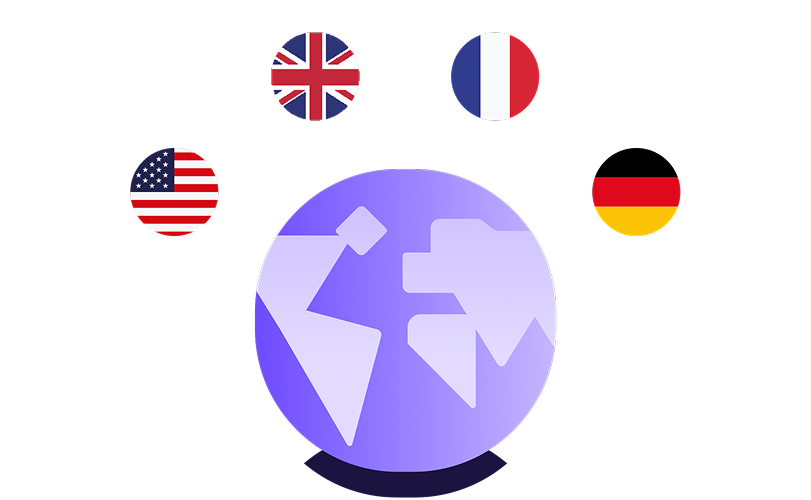
Nearly all Proton services are built with end-to-end encryption, so we wanted to find out how much people really knew about it. In the summer of 2025, we asked about 700 people in France, Germany, the UK, and the USA how important they thought end-to-end encryption was and whether they knew how it worked or which services offered it.
The results reveal a strong desire for privacy and a mix of confusion and misplaced trust.

What is end-to-end encryption?
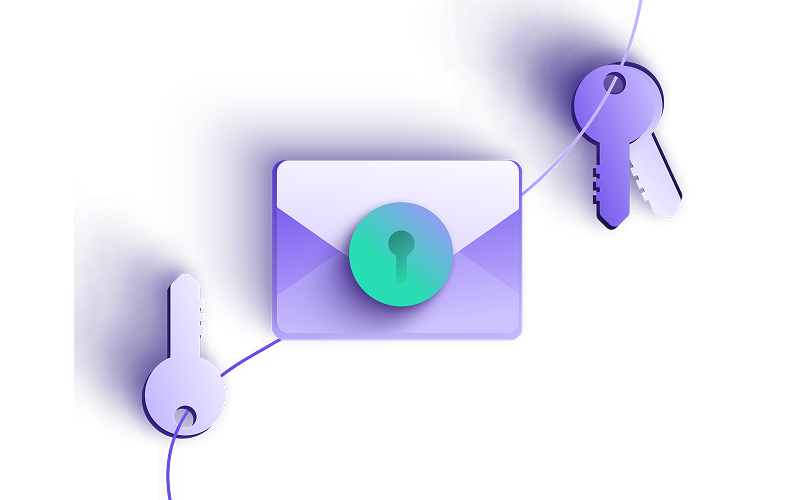
End-to-end encryption (E2EE) protects your data at every step. It encrypts your messages on your device and only decrypts them on the recipient’s. No one else can read them, not even the service provider.
Survey results
Read highlights from the survey below, or follow the links for each country’s full report.

France
E2EE matters, but less than elsewhere
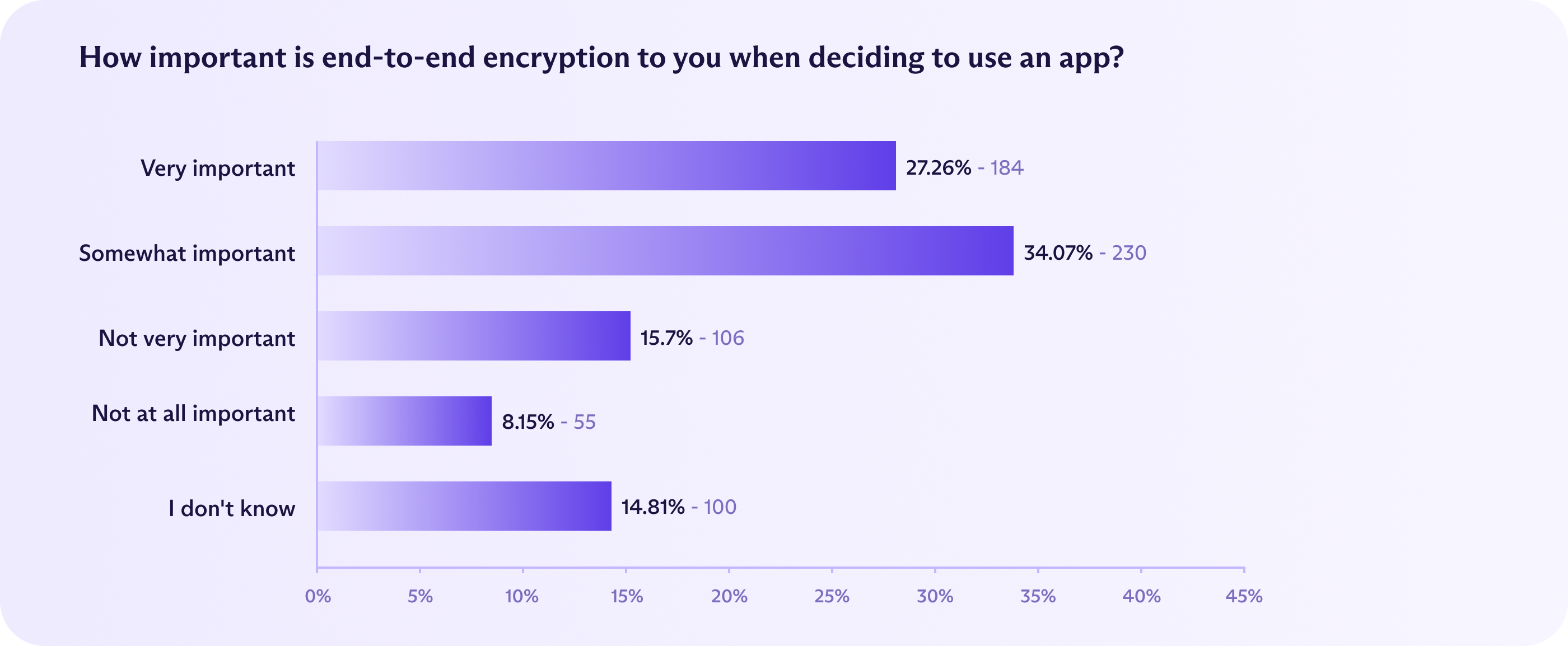
The perceived importance of end-to-end encryption was lowest in France.
Only 27% said E2EE was “very important” — the least of the four countries surveyed.
In total, just 61% saw it as at least “somewhat important,” compared with 73–76% elsewhere.

Germany
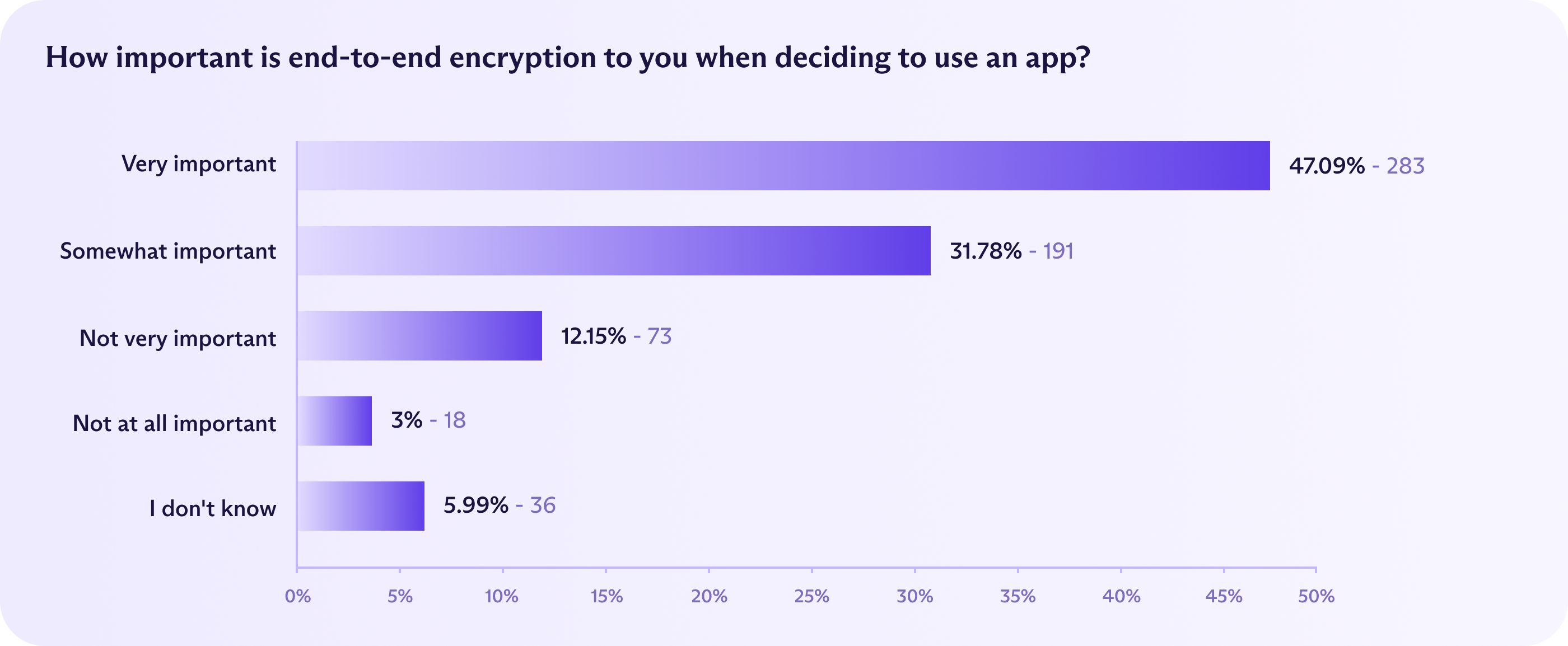
Places the most importance on E2EE
68% of Germans correctly identified how E2EE works.
Nearly half (47%) said E2EE was “very important” — the highest of all four countries.
Still, one in three incorrectly believed Gmail offered end-to-end encryption.

United Kingdom
High trust in Gmail despite high E2EE awareness
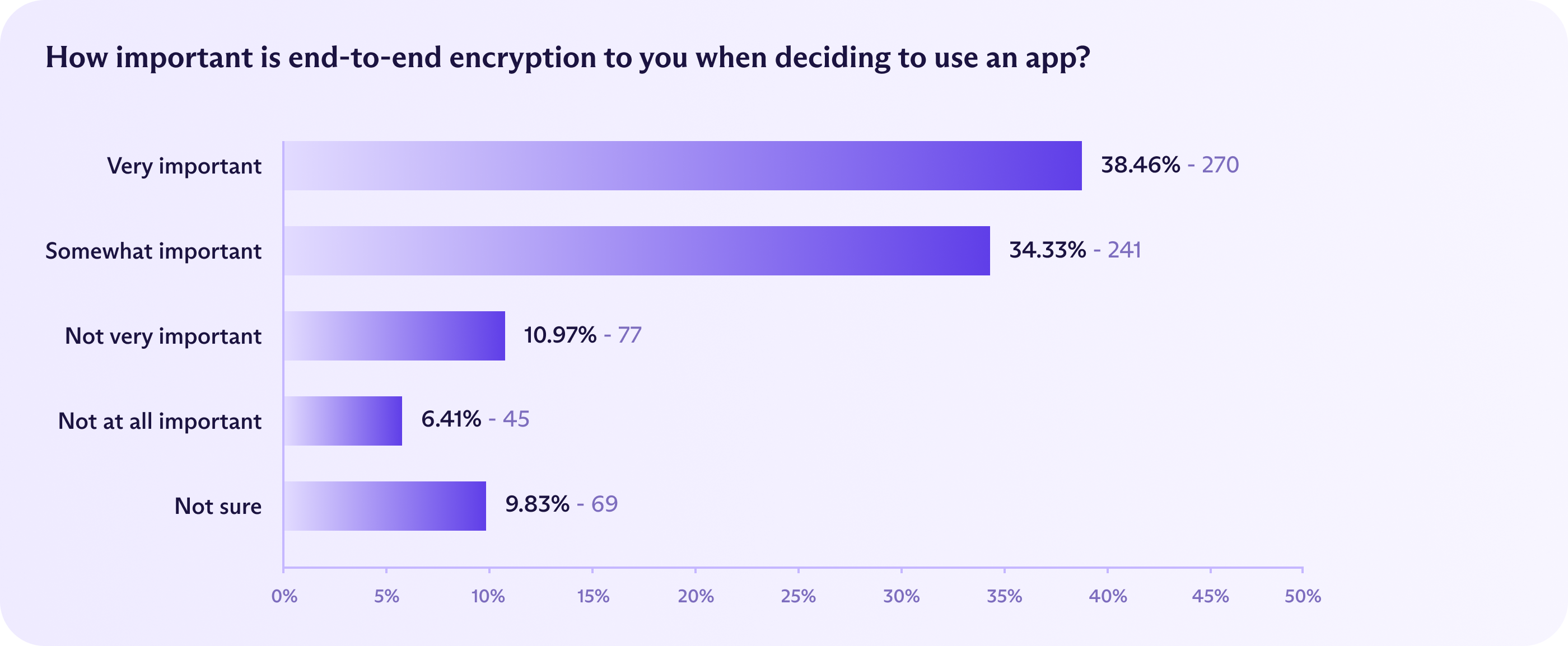
73% of people in the UK said E2EE was “very” or “somewhat important.”
Over 80% correctly identified who could access E2EE messages — the highest of all four countries.
But 57% still believed Gmail was “very private” or “somewhat private,” revealing widespread confusion about which services are truly secure.

United States
Americans value E2EE, even if many misunderstand it
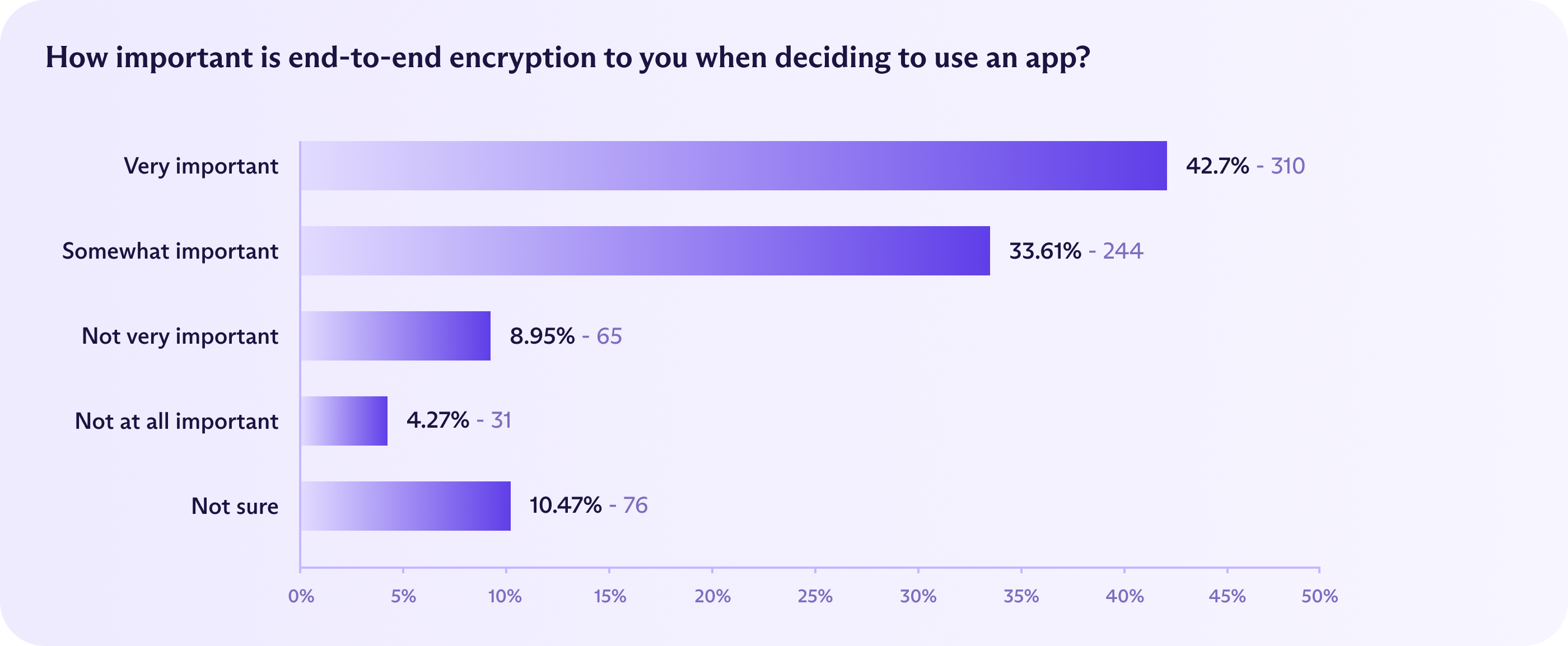
76% of Americans said E2EE was at least “somewhat important.”
Yet more than one in three of those who called it “very important” couldn’t say who could actually access E2EE messages.
Unfortunately, there is a gap between valuing E2EE and understanding it. This is a recurring theme in all four countries.
What we learned
Across all four countries, the message is clear: E2EE is important. An overwhelming majority of people care about their privacy.
Unfortunately, there is widespread confusion about how E2EE works and who offers it. Many people overestimate the privacy protections offered by Big Tech platforms like Gmail or Outlook, which is a problem.
If people trust the wrong tools, they’re exposing their personal data to Big Tech profiling, AI training, and warrantless surveillance. This confusion doesn’t just put your privacy at risk, but also your freedom and safety.