Met elke prompt verzamelen AI-labs elke dag meer van uw bedrijfsgegevens. Uw enige bescherming? Een vaag geformuleerde belofte om er niet op te trainen.
Een recente analyse van Lawfare(nieuw venster) stelt dat bedrijven die hun gegevens aan een paar machtige AI-labs toevertrouwen, die labs leren hoe ze hen overbodig kunnen maken. De auteurs noemen dit vervanging door kennisverwerving (RKA).
Hoewel niemand weet wat AI-labs vandaag de dag met uw bedrijfsgegevens doen, spelen er drie samenkomende krachten: een grotendeels ongecontroleerde macht om de voorwaarden te bepalen, een rechtssysteem dat nog worstelt met de vraag wat “training” eigenlijk betekent, en zowel het vermogen als de prikkel om met hun eigen klanten te concurreren.
Uw bedrijf voedt misschien wel het beest dat het uiteindelijk helemaal kan verslinden.
Trainen AI-labs op bedrijfsgegevens?
De grootste AI-labs hebben zich flink ingespannen om zakelijke gebruikers te verzekeren dat hun gegevens standaard privé zijn:
- OpenAI beweert niet te trainen op invoer of uitvoer van ChatGPT voor zakelijke gebruikers.
- Anthropic beweert dat bedrijfsgegevens standaard worden uitgesloten van training voor het model van Claude.
- Microsoft beweert dat prompts, antwoorden en gegevens niet worden gebruikt om Copilot te trainen.
- Google beweert dat Gemini zijn model niet traint op bedrijfsgegevens zonder voorafgaande toestemming of instructie.
- X beweert dat interacties binnen zakelijke abonnementen op Grok zijn model niet verbeteren, maar zal naar verluidt wel de eigen personeelsgegevens van SpaceX gebruiken voor trainingsdoeleinden.
In de praktijk zijn hun beloftes om de privacy van hun gebruikers te beschermen opzettelijk vaag, en dunner dan ze lijken:
- Belangrijke termen zijn vaag gedefinieerd. Lawfare wijst erop dat de zakelijke overeenkomst van OpenAI klantinhoud definieert als invoer en uitvoer, en die vervolgens definieert met de woorden “invoer” en “uitvoer”. De voorwaarden van Anthropic sluiten het trainen van modellen op klantinhoud uit zonder te definiëren wat training betekent.
- Sommige gegevens vallen mogelijk buiten de belofte. Patronen, metagegevens en samenvattingen die een AI genereert maar nooit aan u toont, tellen misschien helemaal niet als invoer of uitvoer.
- “Training” is beperkter dan het klinkt. Het gebruik van uw gegevens voor het opbouwen van testbenchmarks, het afstemmen van systeemprompts of het trainen van aparte veiligheidstools telt mogelijk niet mee.
- De voorwaarden kunnen veranderen. Aanbieders behouden zich doorgaans het recht voor om ze te wijzigen, en elke nieuwe modelrelease is een kans om ze te resetten.
- U kunt het niet controleren. Alleen het lab weet wat er in zijn training terechtkomt. Een datalek zou u bijna onmogelijk kunnen opmerken.Proton-oprichter en CEO Andy Yen waarschuwt dat u informatie die u met een AI deelt, eigenlijk niet meer kunt terughalen. Binnenkort, stelt hij, kan AI “u beter kennen dan u uzelf.”(nieuw venster) Voor een bedrijf staat er meer op het spel.
Wat uw bedrijf kan verliezen
Wat een AI over uw bedrijf leert, is juist wat het concurrerend maakt. Big Tech weet dat.
In een zaak die liep van 2019 tot 2022 onderzocht de Europese Commissie Amazon omdat het niet-openbare gegevens van externe verkopers gebruikte om zijn eigen retailactiviteiten te sturen – in feite gebruikte het de eigen gegevens van verkopers om hen te beconcurreren. Amazon beloofde hiermee te stoppen, en het verbod werd later vastgelegd in de Digital Markets Act.
In sommige sectoren staat niet alleen een concurrentievoordeel op het spel. Ook de naleving van regels komt in gevaar. Bedrijven in de geneeskunde en de financiële sector hebben een wettelijke plicht om gevoelige informatie te beschermen onder regels zoals HIPAA en de GDPR. Die regels zijn duidelijk over het beveiligen van persoonsgegevens, maar de AI-industrie is zo nieuw dat er een grijs gebied ontstaat.
En nu AI is ingebouwd in notulisten voor vergaderingen, e-mail en alledaagse workflows, raakt het veel meer van uw bedrijf dan toen het nog in een chatvenster zat.
Wat AI-labs te winnen hebben
AI-labs hebben een financiële en concurrentiële prikkel om zoveel mogelijk gegevens te verzamelen.
De AI-markt blijft naar verwachting spectaculair groeien; Gartner verwacht dat AI tegen 2030 al het IT-werk zal raken. Het bureau voorspelde ook dat de AI-uitgaven in 2026 zouden oplopen tot $ 2,5 biljoen, een stijging van 44% ten opzichte van het jaar ervoor. Gezien de uitdaging om steeds intelligentere AI-modellen te blijven ontwikkelen zonder substantieel trainingsmateriaal, zullen AI-bedrijven waarschijnlijk manieren gaan zoeken om te profiteren van hun zakelijke klanten.
De explosief groeiende vraag dwingt AI-labs steeds creatiever te worden in de manieren waarop ze hun modellen kunnen ontwikkelen. En bedrijfsgegevens zijn duidelijk waardevol voor deze labs: Google won in augustus een bod van $ 10 miljoen om gegevens te kopen van de failliete luchtvaartmaatschappij Spirit Airlines. Volgens de Association of Flight Attendants bevat dit datapakket gevoelige gegevens van werknemers. Die gegevens zouden kunnen worden verzameld en gebruikt om de AI-modellen van Google te trainen zonder de instemming van die werknemers.
OpenAI beweert niet te trainen op invoer of uitvoer van zijn producten voor zakelijke gebruikers. Maar gezien de enorme waarde van deze gegevens voor bedrijven, moeten we nu kijken naar de juridische positie van de AI-industrie als het gaat om het verwerken van gegevens.
We kunnen niet rekenen op regelgeving die er misschien nooit komt
Kan regelgeving uw bedrijfsgegevens beschermen tegen de grootste AI-labs? Om dat te begrijpen, moeten we kijken naar de financiële en politieke realiteit van de sector.
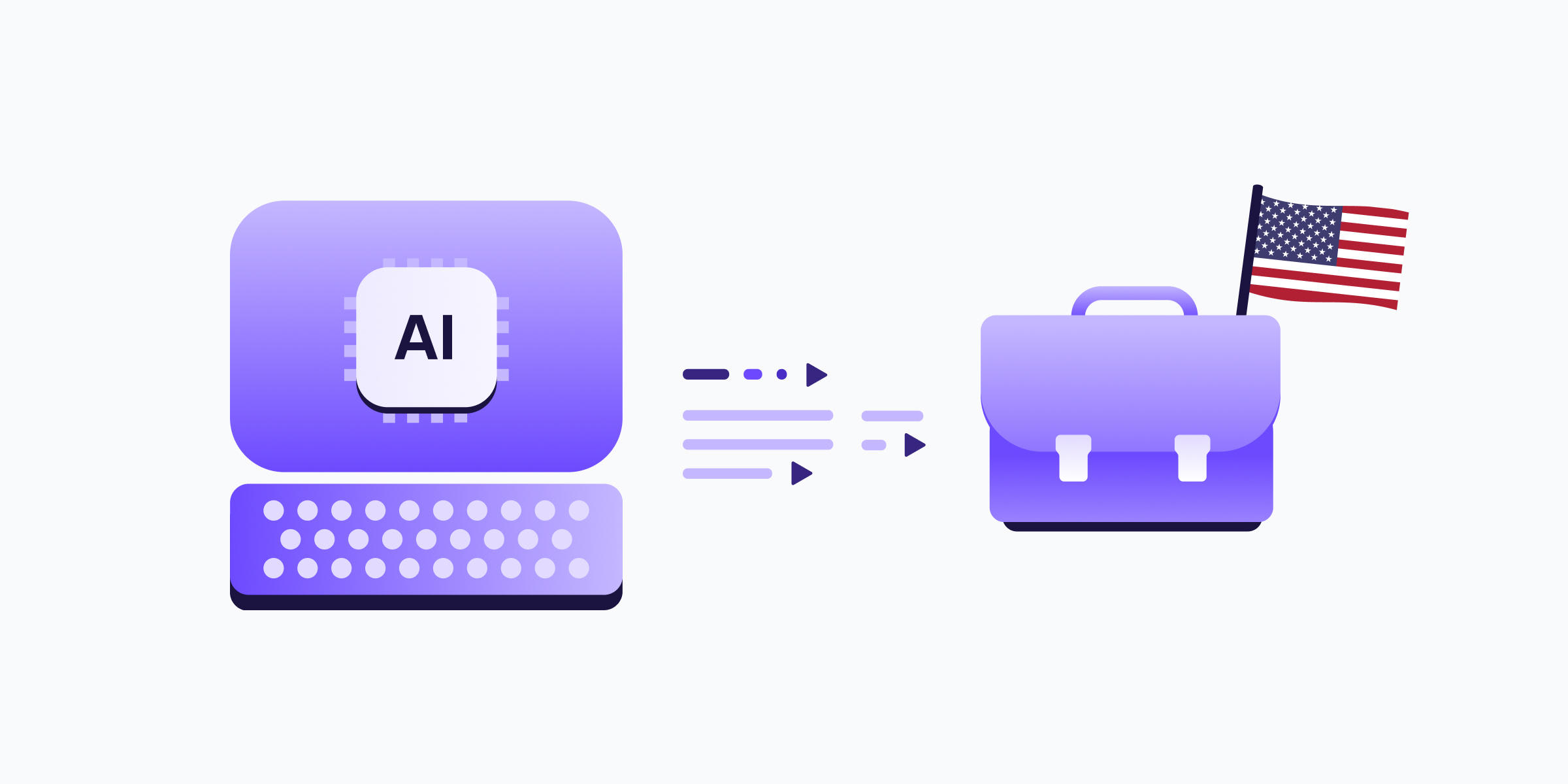
De VS domineren AI. Volgens het Artificial Index Report van Stanford zijn 59 opmerkelijke modellen afkomstig uit de VS, het hoogste aantal van alle landen ter wereld. Deze dominantie is belangrijk om op te merken; in maart publiceerde het Witte Huis een nationaal beleidskader voor het reguleren van AI. Daarin wordt gepleit voor het vervangen van wetten op staatsniveau door een federaal AI-beleidskader om “de Amerikaanse rechten en innovatie te beschermen en een versnipperd lappendeken van staatsregelgeving te voorkomen dat de nationale concurrentiekracht [van de VS] zou schaden”. Het kader stelt dat wetten op staatsniveau die AI reguleren niet mogen “ingaan tegen de nationale strategie van de Verenigde Staten om wereldwijde AI-dominantie te bereiken”.
Is het waarschijnlijker dat de Amerikaanse overheid de dataprivacyrechten van individuele bedrijven, die mogelijk buiten de VS zijn gevestigd, voorrang geeft? Of de expansierechten van haar nationale AI-imperium? Europese bedrijven kunnen simpelweg niet garanderen dat Amerikaanse AI-tools hun datasoevereiniteit vooropstellen. Nu de grootste AI-labs in de VS actief zijn, nadert er een omslagpunt.
Een betere keuze voor zakelijke AI
In plaats van te hopen op regelgeving of te proberen privacybeleid bij te houden, hebben bedrijven een eenvoudigere en effectievere optie: kiezen voor een AI-tool die is gebouwd voor privacy. Er is ruimte voor innovatie zonder uitbuiting. De AI-tool die u kiest, moet precies dat blijven: een AI-tool die u ondersteunt, geen concurrent die u traint om uw plaats in te nemen. De tool moet zijn functie vervullen en gaandeweg groeien, zonder bedrijfsgeheimen te stelen.
Proton bouwde Lumo om in deze behoefte te voorzien. Zonder prikkel om gebruikersgegevens te verzamelen of uit te buiten, kan AI een transformatieve tool voor bedrijven zijn. Lumo houdt geen logboeken bij van zakelijke chats, waardoor uw gegevens beschermd blijven tegen derden en overheidstoezicht. Met een advertentievrij bedrijfsmodel en geen financiering van Big Tech of durfkapitaal, is de enige prikkel van Lumo om de best mogelijke zakelijke ondersteuning te bieden. Proton wordt als bedrijf bestuurd door de Proton Foundation, wat betekent dat wij handelen in het belang van mensen, niet van industriële overheersing.
Proton is gevestigd in Zwitserland en valt ook onder strenge wetten voor dataprivacy en de GDPR. De code en het model zijn beide open source, zodat elk bedrijf onze claims kan verifiëren. Lumo is ontworpen om precies te doen wat AI zou moeten doen: ondersteuning bieden zonder uitbuiting. Kiezen voor een Europees alternatief voor de AI-tools van Big Tech is voor een bedrijf de beste manier om zich te beschermen tegen ongereguleerde en onbetrouwbare AI-labs.