En este momento, hay un archivo en su drive compartido llamado algo así como v3_final_FINAL_FINAL.docx. No sabe quién lo editó por última vez. No sabe si es la versión que su CTO aprobó. No está totalmente seguro de quién tiene acceso a él.
Esto es el «caos de versiones»: un problema muy común para los equipos que escalan de forma remota. Se siente mal, ¿no? Posiblemente no lo suficientemente mal. Porque no es solo una molestia desordenada: es un grave riesgo de seguridad.
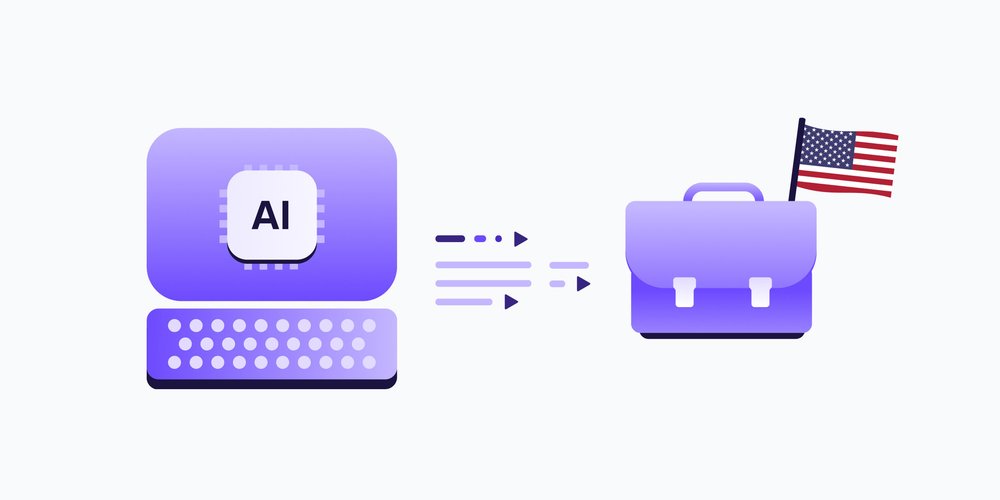
El acceso no controlado significa que los exempleados y contratistas conservan permisos que nunca fueron revocados. Las versiones sin seguimiento significan que la información confidencial termina en los lugares equivocados en los momentos equivocados. Y las herramientas de colaboración de documentos que usted utiliza están procesando de forma silenciosa y constante el contenido de sus documentos para alimentar sus funciones de IA e indexación de búsqueda.
Pero no tiene por qué ser así. Esta es una guía paso a paso para utilizar herramientas de colaboración de documentos sin exponerse a una filtración de IP.
Cómo la mayoría de los equipos se equivocan con la colaboración de documentos
La colaboración de documentos en línea es una parte esencial de hacer negocios. Es rápida, eficiente y no importa dónde esté su personal (siempre que tengan WiFi).
El problema es que muchos equipos en sus etapas iniciales tienden a recurrir a lo más rápido de implementar — Google Docs, Notion, Dropbox — y de inmediato comienzan a usarlos sin detenerse a crear un sistema a su alrededor. Sin arquitectura de carpetas, convenciones de acceso ni protocolos de control de versiones.
Para el equipo de una start-up que avanza rápido, esto puede parecer bien. Pero en realidad no está bien, especialmente para un equipo cuyos documentos contienen IP que vale la pena proteger. De hecho, la ciberseguridad para start-ups debería comenzar mucho antes de lo que usted piensa.
Los problemas resultantes suelen concentrarse en tres aspectos:
- Caos de versiones: sin un sistema establecido, los documentos se multiplican y no hay una única fuente de verdad a la cual aferrarse. La gente trabaja con archivos desactualizados. Los cambios se pierden en la mezcla. Hay cinco versiones ligeramente diferentes de la misma hoja de ruta en su drive sin ninguna forma de confirmar cuál es la actual.
- Dispersión del acceso: gestionar los permisos requiere mucho tiempo, por lo que los archivos se comparten de manera generalizada en lugar de gestionarse de forma específica. Los contratistas, exempleados y colaboradores externos acumulan accesos. Pronto perderá el rastro de quién puede ver qué.
- Exposición de datos inadvertida: las herramientas de colaboración de nivel de consumo suelen escanear los documentos para alimentar su indexación de búsqueda, sugerencias de IA y publicidad personalizada. Nada se queda de forma segura en su carpeta en la nube; un robot lo está leyendo.
Cómo es una buena colaboración de documentos
Antes de que siquiera busque herramientas de colaboración de documentos, tenga claro primero qué es lo que intenta lograr.
Una buena configuración de colaboración de documentos le ofrece cinco cosas:
- Coedición en tiempo real: en lugar de tener que jugar al tenis por correo electrónico con los documentos, varias personas pueden editar el mismo documento al mismo tiempo, y los cambios son visibles a medida que ocurren
- Historial de versiones: un registro confiable y con marca de tiempo de quién cambió qué y cuándo, lo que evita que tenga que depender de sus notas adhesivas o de su memoria, que suele ser menos confiable
- Controles de acceso granulares: puede establecer permisos a nivel de carpeta, documento y usuario (lo contrario de una política de “cualquier persona con el enlace”)
- Uso compartido externo seguro: puede compartir documentos fuera de su organización sin abrir las compuertas a todo lo demás en su drive
- Verdadera privacidad de datos: tiene la seguridad de que sus datos basados en documentos no están siendo escaneados, extraídos ni procesados por un tercero (y eso incluye a su proveedor de almacenamiento en la nube empresarial)
Con las herramientas de colaboración más populares (esas herramientas a las que los equipos recurren sin pensarlo dos veces), es posible que obtenga dos de estas cosas. La plataforma adecuada puede ofrecerle las cinco.
Pero independientemente de lo que utilice, seguirá necesitando un sistema para que funcionen.
Cómo configurar la colaboración de documentos para su equipo: un marco paso a paso
Paso 1: Audite lo que tiene
No se puede construir un sistema limpio y seguro para la colaboración de documentos sobre uno desordenado e inseguro. Por lo tanto, comience con una auditoría honesta de lo que ya tiene.
Haga una lista de cada herramienta en la que se encuentran actualmente sus documentos (Google Drive, Notion, Dropbox, archivos adjuntos de correo electrónico, Slack). Luego, averigüe quién tiene acceso a estas herramientas, quién controla el acceso a ellas y qué sucede con un documento una vez que sale de su sistema.
Rastree sus drives en busca de «archivos problemáticos» que necesiten especial atención: documentos que existen en múltiples versiones sin un propietario claro, carpetas compartidas con personas que ya no necesitan acceso y archivos comercialmente confidenciales (por ejemplo, hojas de ruta, modelos financieros, especificaciones técnicas) que se encuentran en herramientas con controles de acceso débiles o inexistentes.
Paso 2: Diseñe una arquitectura de carpetas que tenga sentido (y no sea demasiado compleja)
Independientemente de lo que haga a continuación, no migre primero para organizar después. Eso solo agrava el caos: trasladar el mismo desorden a una ubicación nueva y menos familiar.
En su lugar, respire profundo… y luego diseñe su estructura de carpetas. Para guiarlo, aquí tiene una arquitectura de carpetas sencilla y escalable que se adaptará a la mayoría de las start-ups:
- Empresa: actas de las reuniones de la junta directiva, acuerdos de accionistas, materiales de recaudación de fondos, contratos legales
- Producto: hojas de ruta, especificaciones de funciones, archivos de diseño, investigación
- Ingeniería: documentación técnica, decisiones de arquitectura, guías de herramientas internas, especificaciones técnicas
- Operaciones: políticas de RR. HH., finanzas, contratos de proveedores
- Clientes: una subcarpeta por cliente, que contiene todo lo relacionado con esa relación.
Recuerde: mantenga las cosas simples y superficiales. Las estructuras de archivos complejas suelen ignorarse: la gente arroja archivos en el nivel superior y se desata el caos. Como regla general: tres niveles de anidamiento, y no más. Si se encuentra creando un cuarto nivel, la estructura necesita simplificarse.
Paso 3: Adapte sus niveles de acceso a la sensibilidad de los datos
La protección de datos empresariales comienza con el establecimiento de tres niveles de acceso antes de invitar a su equipo.
- Para toda la empresa: documentos operativos no confidenciales, como manuales de equipo, notas de reuniones generales y guías de procesos
- Acceso a nivel de equipo: trabajo departamental que es accesible únicamente para el equipo correspondiente
- Acceso restringido: cualquier documento comercialmente confidencial, protegido legalmente o cubierto por la confidencialidad del cliente. Este es el nivel más importante de proteger: si (por ejemplo) los documentos de recaudación de fondos, las hojas de ruta, las especificaciones técnicas, los datos de los clientes o los contratos de los clientes son vistos o compartidos por la persona equivocada, esto puede generar responsabilidades legales o competitivas
Nuestra aplicación Workspace gestiona todo esto desde un único panel de control del administrador. Puede controlar a los miembros, los permisos y el acceso a la aplicación en un solo lugar, sin importar el tamaño del equipo.
Paso 4: Establezca las cuatro reglas de oro del control de versiones
Ahora que su arquitectura de carpetas está lista, debe establecer cuatro convenciones sencillas para asegurarse de no volver a ver nunca un archivo en una de esas carpetas con el nombre v3_final_FINAL_FINAL2_FINAL3.docx. ¿Y no será eso más agradable para todos?
Estas cuatro reglas se aplican a todos los miembros de su equipo (asegúrese de que las conozcan):
- Todos los documentos activos existen en un solo lugar: sin copias locales ni archivos adjuntos de correo electrónico
- Sin números de versión en los nombres de los archivos: su herramienta debe proporcionar un historial de versiones adecuado y realizar un seguimiento de cada cambio. Comparta los documentos mediante un enlace en lugar de un archivo adjunto para evitar confusiones. Si necesita compartir una exportación estática, ponga la fecha en la nota de presentación, no en el nombre del archivo.
- El historial de versiones es la única fuente de verdad: si desea saber quién cambió qué y cuándo, simplemente mire en el historial de versiones.
- No elimine, archive: mueva los documentos reemplazados a una carpeta de archivo claramente etiquetada. No querrá eliminar un documento que usted (o un regulador) pueda necesitar más adelante.
Paso 5: Defina su protocolo en torno al uso compartido externo
El uso compartido externo es donde el control de acceso suele fallar con mayor frecuencia. Se vincula a un contratista a toda la carpeta del proyecto en lugar de solo a lo que es relevante (sin fecha de expiración para ese acceso). Un inversor potencial conserva el acceso a su sala de datos de recaudación de fondos mucho después de decidir no invertir. Es un mundo peligroso fuera de su perímetro.
Para minimizar ese peligro, establezca un protocolo antes de compartir cualquier cosa externamente. Tres reglas:
- Otorgue el acceso mínimo solo para documentos o carpetas específicos (not entire workspaces or drives)
- Establezca fechas de expiración en todos los enlaces
- Revoque el acceso al finalizar el proyecto como un paso estándar de desvinculación
Las herramientas de productividad y colaboración adecuadas aplican automáticamente reglas como esta por usted. Proton Drive establece fechas de expiración en los enlaces compartidos por defecto, por lo que el acceso expira sin que nadie tenga que acordarse de revocarlo.
Paso 6: Elija una plataforma que pueda aplicar sus requisitos de seguridad
La mayoría de los equipos evalúan las plataformas de colaboración únicamente en función de la usabilidad. La usabilidad es importante, por supuesto. Pero la seguridad no puede ser algo secundario.
La propiedad intelectual es ahora el tipo de datos más costoso de perder en una vulneración de datos (a USD 178 por registro comprometido, según IBM(nueva ventana)). Si sus documentos contienen IP que vale la pena proteger, su plataforma de colaboración debe ser segura por defecto, no por configuración.
Al seleccionar una herramienta de colaboración, debe saber lo siguiente:
- ¿Puede el proveedor acceder al contenido de sus documentos?
- ¿Dónde están almacenados sus datos y qué jurisdicciones se aplican? ¿Son sus datos soberanos?
- ¿La encriptación es de extremo a extremo o solo en tránsito?
- ¿Los controles del administrador están centralizados y son lo suficientemente granulares como para aplicar la política de acceso?
A continuación se presenta una comparación de cuatro herramientas de colaboración de documentos en línea:
| Google Docs | Notion | Microsoft 365 | Proton Docs | |
| Coedición en tiempo real | ✓ | ✓ | ✓ | ✓ |
| Historial de versiones | ✓ | Limitado | ✓ | ✓ |
| Cifrado de extremo a extremo | ✗ | ✗ | ✗ | ✓ |
| Almacenamiento de conocimiento cero | ✗ | ✗ | ✗ | ✓ |
| Controles centralizados del administrador | Parcial | Limitado | ✓ | ✓ |
| Sin procesamiento de datos para IA o anuncios | ✗ | ✗ | ✗ | ✓ |
| Jurisdicción que prioriza la privacidad* | ✗ | ✗ | ✗ | ✓ |
*Google Docs, Notion y Confluence tienen su sede en EE. UU. y están sujetos a la jurisdicción de este país, incluida la CLOUD Act. Proton tiene su sede en Suiza, fuera de la jurisdicción de EE. UU. y de la UE.
Para los equipos que manejan IP confidencial, Proton Docs le permite a su equipo realizar una edición colaborativa en tiempo real sin arriesgarse a la exposición de datos.
Es parte de Proton Workspace, un paquete de colaboración seguro que agrega almacenamiento en la nube empresarial cifrado, videoconferencias seguras y controles centralizados del administrador a la colaboración de documentos. Todo desarrollado sobre el cifrado de extremo a extremo y protegido por las estrictas leyes de privacidad de Suiza.
Conozca su stack de colaboración eficiente y seguro
Para tener un verdadero control sobre sus documentos, y tranquilidad sobre su seguridad, debe contar con el sistema adecuado y la plataforma correcta.
Le hemos mostrado cómo construir el sistema adecuado. La plataforma para aplicarlo es Proton Workspace.
Más de 100,000 organizaciones (incluidas agencias gubernamentales, proveedores de atención médica y bufetes de abogados) confían en Proton para proteger sus datos más confidenciales. Sus documentos merecen el mismo estándar de protección.