El error humano en la ciberseguridad se genera por las tensiones entre cómo trabaja la gente y cómo funcionan los sistemas. Las contraseñas de trabajo se reutilizan cuando se espera que las personas recuerden demasiado. Las credenciales se envían por chat cuando no existe una forma aprobada de compartirlas rápidamente. El acceso riesgoso permanece abierto cuando la desvinculación depende de que alguien recuerde cada cuenta que utilizó una persona.
La elección insegura rara vez es intencional. Por lo general, ocurre porque la ruta más segura es más lenta, confusa o no está disponible cuando las personas la necesitan. Las presiones cotidianas, como cumplir con una fecha límite, iniciar sesión desde un nuevo dispositivo o acceder rápidamente a una herramienta, pueden empujar a las personas hacia atajos más riesgosos.
La seguridad no debería depender únicamente de que los empleados recuerden las reglas o tomen la decisión correcta en todo momento. La capacitación tiene un rol importante, pero debe reforzarse con herramientas, opciones por defecto y rutinas que faciliten el comportamiento seguro en el trabajo diario.
- El error humano en la ciberseguridad no es solo un problema de los empleados
- Errores humanos comunes en la ciberseguridad
- La capacitación por sí sola no puede resolver el error humano
- Haga que el comportamiento seguro sea la opción por defecto
- Por qué los errores de credenciales se propagan tan rápido
- El acceso no debe depender de la memoria
- Revise los sistemas en torno al error
- Formas prácticas de reducir el error humano en la ciberseguridad
- Haga que el comportamiento seguro sea más fácil que el atajo
El error humano en la ciberseguridad no es solo un problema de los empleados
El error humano es uno de los riesgos más persistentemente integrados en el trabajo diario de la ciberseguridad empresarial y no se puede solucionar fácilmente como un error de software. Puede aparecer en una contraseña reutilizada en varias plataformas, un enlace abierto en un correo electrónico convincente, un permiso otorgado de manera demasiado amplia o una credencial compartida de manera informal.
El Informe sobre el costo de una vulneración de datos(nueva ventana) de IBM refuerza el impacto comercial de las fallas de seguridad. Su informe de 2025 estima que el costo promedio mundial de una vulneración de datos es de 4.4 millones de USD y destaca la seguridad de la identidad como un área de acción clave. Para las empresas, la lección es: los controles técnicos pueden reducir el riesgo, pero no pueden eliminar las decisiones humanas que los atacantes aprovechan cuando las personas interactúan con los sistemas, las cuentas y los puntos de acceso.
El error humano es más grave cuando la empresa no tiene una forma confiable de contenerlo. Una contraseña reutilizada, un clic por error o una cuenta con permisos excesivos pueden ocurrir en cualquier empresa. El daño aumenta cuando no hay monitoreo, requisitos de autenticación de dos factores (2FA), revisión de accesos o un proceso de reporte claro. En esos casos, el primer error puede ser cometido por una persona, pero la verdadera exposición proviene de las brechas que lo rodean.
Errores humanos comunes en la ciberseguridad
Los errores de ciberseguridad de los empleados suelen parecer comunes desde adentro porque son solo pequeñas decisiones que se toman durante los días de trabajo ocupados.
Los ejemplos comunes incluyen:
Reutilización de contraseñas: los empleados reutilizan una contraseña conocida porque crear y recordar una nueva puede resultar incómodo.
Hacer clic en enlaces de suplantación: un mensaje parece lo suficientemente legítimo, llega en el momento adecuado o parece provenir de un contacto de confianza.
Compartir credenciales de manera informal: un colega necesita acceder, por lo que alguien le envía una contraseña a través de un chat, correo electrónico o un documento compartido mediante un canal inseguro y no aprobado.
Otorgar demasiado acceso: un usuario recibe permisos amplios porque es más rápido que configurar un acceso limitado a su rol o a sus responsabilidades específicas (principio de menor privilegio)..
Ignorar los avisos de actualización: un dispositivo o navegador solicita una actualización, pero el empleado la pospone para evitar interrumpir su trabajo.
Usar herramientas de TI en la sombra: un equipo adopta una herramienta sin la aprobación de TI porque la alternativa aprobada es más lenta, carece de alguna función o simplemente se desconoce.
Cuando la opción segura genera fricción o interrumpe una tarea, es probable que las personas tomen atajos para seguir avanzando con el trabajo. La ciberseguridad debe tener en cuenta cómo se comportan realmente las personas, no solo cómo deberían hacerlo.
Es poco probable que funcionen las políticas que dependen de una atención ilimitada, una memoria perfecta y una vigilancia constante ante las amenazas de seguridad. Las personas pueden tomar malas decisiones mientras realizan múltiples tareas a la vez, a menudo sin toda la información necesaria para reconocer un riesgo de ciberseguridad. Si su empresa desea un comportamiento más seguro, debe crear una política de ciberseguridad basada en cómo trabajan realmente sus empleados.
La capacitación por sí sola no puede resolver el error humano
La capacitación ayuda. Los empleados deben saber cómo funciona la suplantación, cómo la reutilización de contraseñas puede exponer a su empresa a ataques de relleno de credenciales, cómo reportar actividades sospechosas y qué espera la empresa de ellos. Una empresa que no tiene ningún tipo de concientización sobre seguridad deja a las personas sin contexto.
Pero la capacitación por sí sola no es suficiente, porque no puede resolver el dilema entre seguridad y conveniencia. Si la ruta segura es más difícil que la insegura, los empleados pueden preferir los atajos. No porque hayan ignorado la capacitación, sino porque el entorno de trabajo recompensa la velocidad, la capacidad de respuesta y la eficiencia.
Alguien puede saber que no debe reutilizar una contraseña, pero aun así lo hará si no tiene un gestor de contraseñas. Las personas pueden saber que no deben compartir credenciales por chat, pero lo harán de todos modos si no existe una forma sencilla de compartir el acceso rápidamente. Pueden entender que la autenticación de dos factores es más segura, pero la omitirán si el registro es opcional y nadie hace un seguimiento.
Una sesión de capacitación puede explicar el riesgo, pero no puede eliminar la conveniencia. Por eso la seguridad debe estar integrada en el flujo de trabajo. Un buen diseño de seguridad reduce la cantidad de momentos en los que los empleados tienen que tomar una decisión de alto riesgo por sí mismos. Les brinda opciones por defecto más seguras, indicaciones más claras y menos razones para improvisar.
Haga que el comportamiento seguro sea la opción por defecto
La forma más eficaz de reducir el error humano es eliminar las oportunidades innecesarias de cometer errores. Un gestor de contraseñas para empresas es una herramienta excelente tanto para los empleados como para las empresas, ya que puede hacer que el trabajo diario sea más sencillo y seguro. Sin uno, los empleados tienen que crear, recordar y escribir las contraseñas ellos mismos.
Esto da lugar a contraseñas débiles, reutilización, inicios de sesión olvidados y almacenamiento inseguro. Con Proton Pass for Business, se pueden generar contraseñas seguras, almacenarlas de forma segura y completarlas automáticamente cuando sea necesario.
El completado automático también reduce el riesgo porque evita los ataques de suplantación. Cuando las credenciales están vinculadas al sitio web correcto, la herramienta fomenta un comportamiento más seguro sin pedirle al empleado que inspeccione cada enlace de memoria.
El uso compartido seguro de contraseñas funciona de la misma manera. Si la opción aprobada es rápida y sencilla, hay menos motivos para pegar las credenciales en el chat. Si el acceso se puede compartir a través de bóvedas cifradas, la empresa puede reducir el intercambio informal y, al mismo tiempo, ayudar a los equipos a avanzar rápidamente.
La obligatoriedad de la 2FA elimina otro punto de decisión. Cuando la 2FA es opcional, los empleados pueden retrasar la configuración o desactivarla si les resulta incómoda. Sin embargo, cuando es obligatoria, su empresa permanece protegida
Este es el principio de diseño que fundamenta la reducción del riesgo de vulneración de datos por error humano: nunca dependa de que las personas elijan a la perfección en condiciones imperfectas. En su lugar, cree sistemas donde la opción más segura sea ya la ruta de menor resistencia.
Proton Pass for Business ayuda a las empresas a convertir el comportamiento seguro en una opción por defecto al facilitar el uso de contraseñas seguras, el uso compartido seguro, el completado automático y el control de credenciales en el trabajo diario.
Por qué los errores de credenciales se propagan tan rápido
Los errores de credenciales rara vez se limitan a un solo lugar cuando ocurren. Si alguien reutiliza una contraseña, el riesgo no se limita a la cuenta que creó ese día. Si, por ejemplo, esa misma contraseña protege una plataforma financiera, un servicio en la nube o una consola de administración, un solo mal hábito puede exponer los sistemas conectados.
Lo mismo se aplica al acceso compartido. En un equipo pequeño, enviar un inicio de sesión a un colega puede parecer inofensivo, sobre todo cuando el trabajo avanza rápido. Con todo, una vez que esa credencial sale de un sistema aprobado, la empresa pierde el contexto: quién la tiene, dónde se copió, si se guardó en otro lugar y si el acceso debería seguir existiendo semanas después.
La gestión de credenciales es una forma práctica y eficaz de reducir el riesgo humano en la ciberseguridad. Le da a su empresa más control sobre lo que sucede después de un error:
- Las contraseñas seguras y únicas reducen la reutilización.
- Las bóvedas cifradas mantienen el acceso fuera de los canales inseguros y no aprobados, como los chats y las hojas de cálculo.
- La 2FA reduce el riesgo de que se utilice una contraseña robada para acceder a una cuenta.
- Las revisiones de acceso ayudan a identificar y revocar las credenciales que ya no son necesarias.
Nuestra guía de protección contra vulneraciones de datos para empresas explica cómo los controles en capas reducen la exposición antes de que ocurra una vulneración. En el caso de las credenciales, esas capas son importantes porque las contraseñas suelen encontrarse entre el trabajo común y los sistemas confidenciales. Esto es especialmente relevante para las start-ups y los equipos más pequeños, donde la velocidad suele definir cómo se comparte el acceso.
Las start-ups tecnológicas que buscan consejos de seguridad también pueden aprender de los errores comunes de ciberseguridad que cometen las empresas al principio y de los pasos que pueden seguir para evitarlos.
El acceso no debe depender de la memoria
El error humano es más probable cuando la ciberseguridad depende de que los empleados recuerden demasiados detalles. El trabajo moderno puede implicar docenas de cuentas, contraseñas, reglas de acceso e indicaciones de seguridad distribuidas en diferentes herramientas. Un mejor enfoque consiste en reducir esa carga siempre que sea posible mediante la integración de procesos seguros en las herramientas y los flujos de trabajo que los empleados ya utilizan. Un mejor modelo es reducir el esfuerzo de memoria siempre que sea posible.
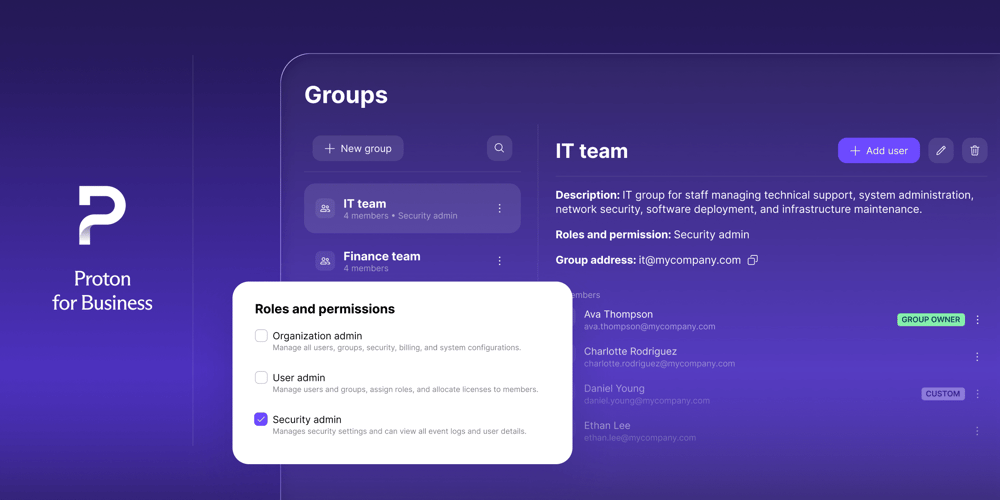
Con un gestor de contraseñas para empresas seguro, los equipos pueden generar contraseñas seguras, almacenar credenciales en bóvedas cifradas, usar el completado automático, compartir el acceso de forma segura, gestionar claves de acceso y usar la autenticación de dos factores integrada. Las funciones de administrador, como las políticas de contraseñas, los informes, los registros, el control de acceso basado en roles, el aprovisionamiento SCIM y las integraciones de SSO, ayudan a las empresas a gestionar las credenciales con una menor dependencia de los hábitos informales.
La herramienta adecuada cambia la forma de trabajar. Cuando las personas cuentan con una vía aprobada para crear, almacenar y compartir credenciales, la empresa ya no tiene que depender de que cada uno invente su propia solución alternativa.
Revise los sistemas en torno al error
Cuando un empleado comete un error de ciberseguridad (como comprometer una contraseña), su empresa debe considerar el sistema que permitió ese error y luego corregir esas condiciones.
Estas son algunas preguntas que debe hacerse:
- ¿El empleado utilizaba una contraseña débil porque la empresa no tenía un gestor de contraseñas?
- ¿Se compartió una credencial en el chat porque no existía un proceso de intercambio aprobado?
- ¿Alguien mantuvo el acceso después de cambiar de rol porque el proceso de desvinculación no estaba claro?
- ¿Se retrasó una actualización porque no se dio tiempo a las personas para reiniciar los dispositivos de forma segura?
El empleado puede necesitar soporte u orientación, y una negligencia grave puede ameritar consecuencias, pero la empresa también debe solucionar la brecha en el flujo de trabajo, la política o la función que permitió que surgiera el riesgo.
Nuestro informe de ciberseguridad para PyMEs puede ayudar a las empresas a entender cómo las pequeñas y medianas empresas consideran los riesgos y controles de ciberseguridad. Para muchas, el desafío consiste en transformar la concientización en procesos que se adapten al trabajo real.
Formas prácticas de reducir el error humano en la ciberseguridad
Reducir el error humano en la ciberseguridad requiere un mejor entorno para las decisiones cotidianas. Comience con las áreas donde los errores son más comunes y dañinos:
- Utilice un gestor de contraseñas para empresas para que los empleados no tengan que crear, recordar ni almacenar contraseñas manualmente.
- Aplique políticas de contraseñas sólidas y fomente el uso de contraseñas generadas para las cuentas comerciales.
- Active la 2FA para los sistemas confidenciales y hágala obligatoria donde el riesgo sea mayor.
- Reemplace el intercambio informal de credenciales por el uso compartido de bóvedas cifradas.
- Revise el acceso cuando las personas ingresen, se retiren, cambien de rol o finalicen un proyecto.
- Mantenga actualizados el software, los navegadores y los dispositivos con expectativas claras en relación con los avisos de actualización.
- Cree un proceso de reporte sencillo para correos electrónicos sospechosos, clics por error e incidentes sin consecuencias.
- Hable de los errores sin culpar a nadie, de modo que los empleados reporten los problemas antes de que se agraven.
Los mejores resultados se obtienen cuando la empresa deja de tratar el error humano únicamente como un problema de capacitación. Los empleados necesitan orientación, pero también procesos que sean fáciles de seguir, funciones de seguridad que reduzcan los atajos riesgosos y una cultura en la que reportar un error se considere parte de la protección de la empresa y no una falla que se deba ocultar.
Haga que el comportamiento seguro sea más fácil que el atajo
El error humano siempre formará parte de la ciberseguridad porque las personas siempre formarán parte de las empresas. Siempre necesitarán abrir mensajes, aprobar accesos, crear cuentas, compartir archivos, instalar actualizaciones y tomar decisiones. La ciberseguridad de su empresa simplemente no puede depender de que las personas actúen de forma correcta y sistemática, a menos que también sea la acción más sencilla.
Para las PyMEs, el cambio más útil consiste en observar dónde los atajos se están convirtiendo en parte del flujo de trabajo. Esos patrones muestran dónde la empresa puede rediseñar la ruta en torno al empleado: facilitar la creación de credenciales seguras, mantener el acceso dentro de bóvedas controladas, exigir una mayor protección donde el riesgo sea más alto y hacer que el reporte se sienta como un paso de seguridad normal.
Con un gestor de contraseñas para empresas, los equipos pueden facilitar el seguimiento de hábitos de credenciales seguros en el trabajo diario.