OpenAI объявила о планах показывать рекламу пользователям ChatGPT, при этом тесты начнутся для пользователей в США на бесплатном уровне и недавно введенном тарифе Go 9 февраля 2026 года. Компания заявила(новое окно), что:
- Реклама не будет влиять на ответы ChatGPT.
- Реклама будет четко помечена и визуально отделена.
- Беседы и личные данные не будут передаваться рекламодателям.
- Реклама не будет показываться пользователям младше 18 лет, основываясь на данных пользователя или собственных прогнозах OpenAI.
- Реклама не будет появляться рядом с чувствительными или регулируемыми темами, такими как здоровье, психическое здоровье или политика.
- Уровни Pro, Business и Enterprise останутся без рекламы.
Ранний пример на мобильных устройствах показывает рекламу, вставленную под ответами.

Пользователи X(новое окно) поспешили отметить, как рекламный оверлей занимает значимое пространство на маленьких экранах, что в целом ухудшает опыт.
Хотя OpenAI утверждает, что реклама в ChatGPT будет «другой», она пока не объяснила, что это на самом деле означает и как реклама может приносить доход, не отпугивая пользователей. Чтобы понять, что поставлено на карту, давайте посмотрим, как ChatGPT пришел к этой точке, почему реклама более навязчива в ИИ-помощнике, чем в поиске, и что пользователи могут с этим поделать. В этой статье мы разберем:
- Как развивались отношения ChatGPT с рекламой
- Как ChatGPT использует модель монетизации технологических гигантов
- Почему реклама в ChatGPT хуже, чем реклама в поисковых системах
- Как защитить свою конфиденциальность при использовании ChatGPT
- Как удалить свой аккаунт ChatGPT
- Как переключиться на конфиденциального ИИ-помощника, который никогда не показывает рекламу
Как развивались отношения ChatGPT с рекламой
Несмотря на использование данных пользователей для обучения ИИ, OpenAI часто заявляет, что конфиденциальность и ChatGPT идут рука об руку благодаря элементам управления, позволяющим ужесточить настройки конфиденциальности, но её позиция в отношении рекламы изменилась за относительно короткое время.
Генеральный директор Сэм Альтман в мае 2024 года описал(новое окно) идею объединения ИИ и рекламы как «уникально тревожную», назвав рекламу бизнес-моделью «последней надежды» для ChatGPT. Однако он не исключил рекламу для ChatGPT, заявив, что традиционный рекламный подход проблематичен и потребует переработки для ИИ-продукта.
В апреле 2025 года компания представила персонализированные рекомендации продуктов внутри поиска ChatGPT, своего встроенного инструмента веб-поиска, для всех пользователей.
Позже в ноябре инженер обнаружил(новое окно) рекламный код в бета-версии приложения ChatGPT для Android, что указывало на то, что рекламная инфраструктура тестируется за кулисами. Это было публично опровергнуто(новое окно) Ником Терли, главой ChatGPT, который заявил, что «нет живых тестов рекламы» и что любые изображения, циркулирующие по этому поводу, были «либо не настоящими, либо не рекламой».
Примерно через месяц после заявления Терли OpenAI официально объявила, что ChatGPT начнет тестирование рекламы, одновременно вводя новый бюджетный уровень: ChatGPT Go на данный момент является единственным платным тарифом с рекламой. Скептики могут возразить, что размещая рекламу на вновь созданном платном уровне, OpenAI может успокоить существующих подписчиков тем, что их опыт остается неизменным, одновременно создавая прецедент того, что реклама может сосуществовать с платным предложением ChatGPT, если компания позже решит расширить её.
ChatGPT использует модель монетизации технологических гигантов
Материнская компания ChatGPT обязалась(новое окно) потратить около 1,4 триллиона долларов на инфраструктуру центров обработки данных до начала 2030-х годов, в то время как доход OpenAI в настоящее время составляет около 20 миллиардов долларов в год. Хотя компания ожидает роста от корпоративных продуктов, устройств и других будущих направлений бизнеса, одни лишь подписки не масштабировались достаточно быстро, так как платят только около 5% из примерно 800 миллионов пользователей.
Это помогает объяснить переход компании к рекламе как способу монетизации бесплатных пользователей ChatGPT и пользователей самого дешевого платного тарифа (на данный момент), даже если это происходит ценой общественного доверия.
Похоже, это следует знакомому сценарию технологических гигантов, часто описываемому как эншиттификация (enshittification), термин, придуманный Кори Доктороу:
- Запустить что-то действительно полезное, чему люди быстро начинают доверять.
- Быстро масштабироваться, создавая огромную базу вовлеченных пользователей и собирая поведенческие данные, которые идут с ней.
- Позволить продукту стать частью повседневных привычек на работе, в школе и дома.
- Вводить рекламу постепенно, чтобы сделать продукт более привлекательным для рекламодателей и партнеров, ухудшая при этом пользовательский опыт. Элементы управления, возможности отказа и четкие объяснения становится труднее найти, так как настройки по умолчанию все больше благоприятствуют целям платформы по выручке.
- Преподносить рекламу как естественную эволюцию продукта, одновременно уверяя пользователей, что их опыт и конфиденциальность остаются неизменными.
OpenAI — далеко не первая компания, идущая по этому пути:
- Когда Google начинал в конце 1990-х, он предлагал свою поисковую систему без рекламы, прежде чем переключиться на бизнес-модель, основанную на рекламе.
- Теперь Google показывает рекламу в AI Overview и AI Mode, добавляя Gemini в Gmail, Android и везде, включая экосистему Apple(новое окно).
- Meta использует ИИ-беседы и взаимодействия для показа персонализированной рекламы в Facebook, Instagram, WhatsApp и остальной части своей экосистемы.
- Microsoft Copilot показывает рекламу в чатах для покупок и других коммерческих запросов.
- Perplexity отображает спонсируемые уточняющие вопросы наряду с ответами.
Почему реклама в ChatGPT хуже, чем реклама в поисковых системах
Поисковая система обычно требует четкого намерения о покупке, прежде чем появится реклама. Например, поиск «почему у меня болят ноги» выдает информационный контент, в то время как «лучшая обувь для плоскостопия» вызывает рекламу. При использовании ИИ-помощника, созданного для поддержания беседы, этот первоначальный вопрос может постепенно перейти от объяснений к предложениям и решениям. Реклама может проникнуть в процесс определения того, как выглядит «правильное» решение, из-за чего советы помощника кажутся рекламными, а не полезными — но на самом деле являются транзакционными по своей природе.
OpenAI заявила, что реклама не повлияет на ответы, но все еще неясно, как реклама будет выбираться и оцениваться на предмет успеха. Эта двусмысленность должна быть устранена, так как это особенно важно для людей, которые обращаются к ИИ-помощникам(новое окно), когда они не уверены, находятся в стрессе или эмоционально уязвимы — моменты, когда доверие высоко, защита ослаблена, и продавать через рекламу проще всего.
Кроме того, приватный и персонализированный характер этих взаимодействий затрудняет для пользователей, исследователей и регуляторов возможность увидеть закономерности или привлечь системы к ответственности.
Как защитить свою конфиденциальность при использовании ChatGPT
Текущие планы OpenAI исключают введение рекламы в ChatGPT Plus, Business или Enterprise, поэтому обновление тарифа — это один из способов избежать рекламы пока что. Но нет гарантии, что это не изменится в будущем.
Вот другие шаги, которые вы можете предпринять прямо сейчас, чтобы свернуть влияние рекламы на ваш опыт использования и обезопасить себя при использовании ChatGPT:
Отключить персонализированную рекламу
Если вы начнете видеть рекламу в ChatGPT, вот что вы можете сделать:
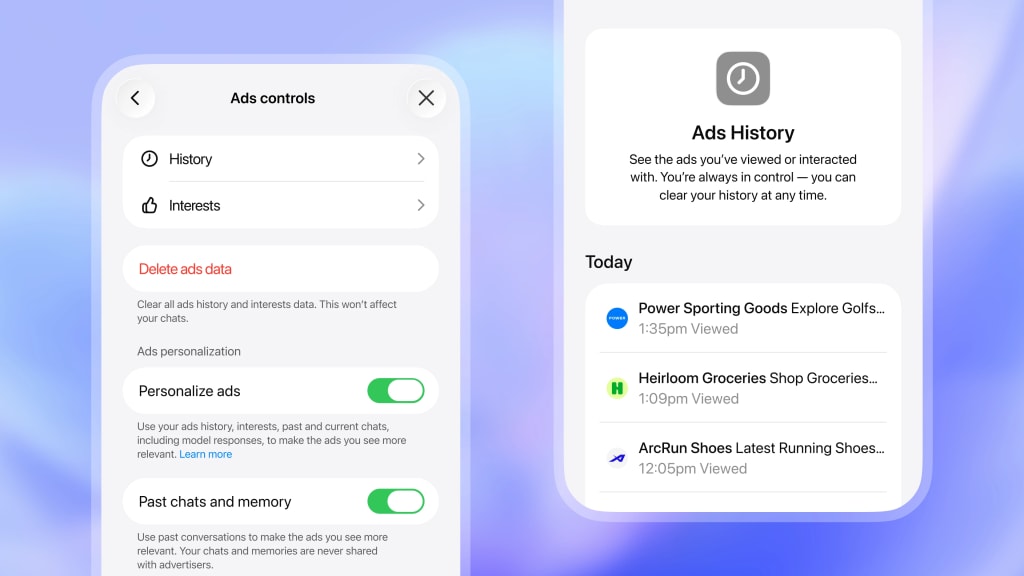
- Перейдите в Настройки → Управление рекламой (Ads controls).
- Выберите Удалить данные рекламы (Delete ads data), чтобы очистить всю историю рекламы и данные об интересах.
- Отключите Прошлые чаты и память (Past chats and memory), чтобы предотвратить использование ChatGPT прошлых бесед для персонализации рекламы. Он все равно будет использовать текущие чаты для этого.
- Отключите Персонализировать рекламу (Personalize ads), чтобы предотвратить использование ChatGPT вашей истории рекламы, интересов, а также прошлых и текущих чатов для повышения релевантности рекламы. Однако вы все равно можете видеть неперсонализированную рекламу.
Использовать ChatGPT без входа в систему
Реклама не показывается в сеансах без входа в систему во время фазы тестирования. Это означает, что вы можете использовать ChatGPT бесплатно без рекламы, не входя в систему, что также ограничивает то, сколько активности может быть связано с вашим личным аккаунтом.
Быть внимательным к тому, чем вы делитесь
Избегайте ввода конфиденциальной информации, такой как личные идентификаторы, финансовая информация, данные о здоровье или что-либо, что вы не хотели бы сохранять или анализировать. Безопаснее относиться к ChatGPT как к общедоступному инструменту.
Как удалить свой аккаунт ChatGPT
Если вы больше не хотите использовать чат-бот OpenAI, вот как удалить ваш аккаунт ChatGPT через мобильное приложение:
1. Перейдите в Настройки → Управление данными (Data controls).
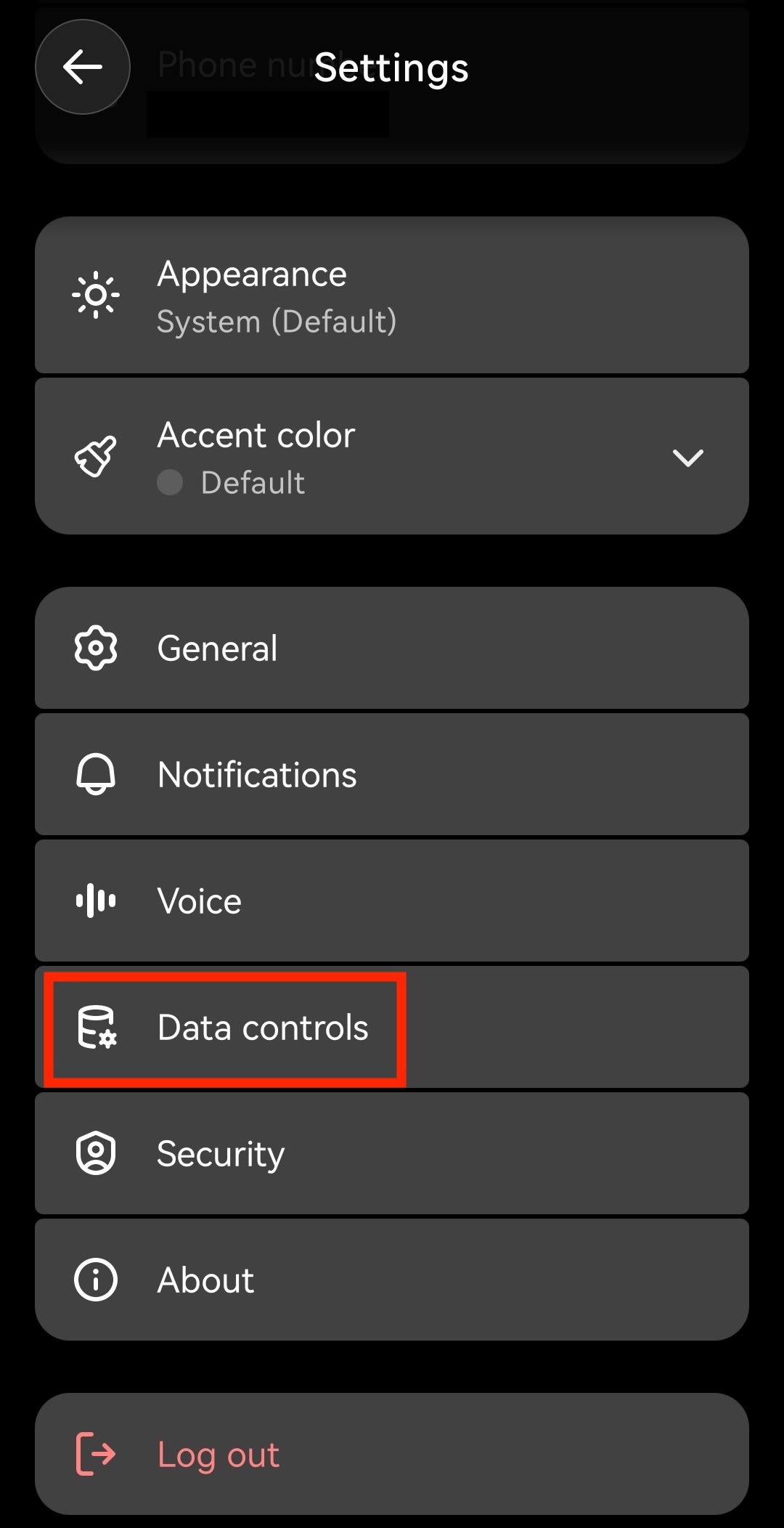
- Выберите Удалить аккаунт OpenAI.

- Коснитесь Удалить аккаунт OpenAI для подтверждения.

Вот как удалить свой аккаунт ChatGPT через браузерное приложение:
Перейдите в Настройки → Аккаунт и нажмите Удалить.

Введите электронную почту своего аккаунта, наберите DELETE и нажмите Безвозвратно удалить мой аккаунт.

Переключиться на конфиденциального ИИ-помощника, который никогда не показывает рекламу
Если вы беспокоитесь о том, как ваши данные могут использоваться ИИ-ассистентами вроде ChatGPT для таргетинга рекламы, обратите внимание на Lumo — наш конфиденциальный ИИ-ассистент(новое окно). Lumo — это проект с открытым исходным кодом, который существует исключительно благодаря поддержке нашего сообщества платных подписчиков. Это альтернатива ChatGPT, которая никогда не ведет журнал вашей активности, ни с кем ею не делится и не использует её для рекламы.
Наша бизнес-модель без рекламы полностью соответствует нашей философии приоритета конфиденциальности, и нарушение этой модели подорвало бы основу всего нашего бизнеса. В отличие от платформ, управляемых рекламой, Proton не принадлежит инвесторам или венчурным фирмам, что означает, что у нас нет никакого внешнего давления с целью монетизации данных пользователей или вовлеченности. Мы в основном принадлежим некоммерческому фонду, чья роль заключается в том, чтобы Proton всегда придерживался своей миссии: построение открытого и свободного интернета, где конфиденциальность является настройкой по умолчанию, а не чем-то, что пользователи должны выбирать.