Фишинговые атаки с применением ИИ меняют одно из старейших правил осведомленности в сфере безопасности: плохая грамматика больше не является надежным тревожным сигналом.
Годами сотрудников учили обращать внимание на неуклюжие формулировки, странное форматирование, орфографические ошибки и шаблонные приветствия. Эти признаки все еще важны, но они не позволяют выявить фишинговые атаки на базе ИИ.
Генеративный ИИ помогает злоумышленникам создавать персонализированные сообщения за считанные секунды. Он может имитировать корпоративный тон компании, обобщать публичную информацию о сотруднике, превращать короткий запрос в убедительный счет на оплату или адаптировать мошенническое сообщение так, чтобы оно звучало естественно на любом языке.
Однако это не принципиально новая угроза. Это тот же фишинг, вышедший на новый уровень: с более грамотными текстами, быстрой подготовкой и более убедительной выдачей себя за другое лицо. Фишинг по-прежнему нацелен на то, чтобы заставить человека перейти по ссылке, поделиться учетными данными, одобрить платеж, открыть файл или перевести общение в канал, контролируемый злоумышленником. ИИ просто делает эти манипуляции более убедительными и масштабными.
Командам внутри компаний необходимо выработать новые привычки. Мы расскажем, на что обращать внимание и как создать более эффективную защиту от фишинга и утечек данных в корпоративной сети.
В чем отличия фишинговых атак с применением ИИ?
Фишинговые электронные письма от ИИ выглядят как настоящая рабочая переписка
Новые формы социальной инженерии с использованием ИИ
Почему малый и средний бизнес все чаще подвергается рискам
Как адаптировать обучение по защите от фишинга к атакам с применением ИИ
Что бизнесу нужно изменить в своем подходе
Как Proton Pass for Business помогает снизить риски компрометации учетных данных
В чем отличия фишинговых атак с применением ИИ?
До появления генеративного ИИ фишинг требовал больше ручного труда. Злоумышленникам приходилось изучать жертву, писать правдоподобный текст, подбирать тон и иногда переводить сообщения для разных рынков. Генеративный ИИ существенно снижает этот порог входа.
В отчете Национального центра кибербезопасности Великобритании о влиянии ИИ на киберугрозы(новое окно) до 2027 года отмечается, что ИИ почти наверняка сделает определенные этапы кибервторжений более результативными и эффективными, увеличив частоту и интенсивность угроз. В нем также подчеркивается, что киберпреступники уже используют ИИ для улучшения существующих тактик, включая социальную инженерию.
Теперь злоумышленники могут создавать фишинговые сообщения, которые выглядят более естественно и конкретно. Мошенническое электронное письмо может ссылаться на реального поставщика, недавний пост в LinkedIn, должность, региональное событие или название внутреннего проекта. Даже если у злоумышленника мало информации, ИИ способен заполнить пробелы вполне правдоподобным текстом.
Признаки фишинговой атаки остаются прежними. Подозрительные ссылки, срочные запросы, неожиданные вложения и странные домены отправителей по-прежнему имеют значение. Однако самого текста больше недостаточно, чтобы распознать атаку.
| Традиционные фишинговые атаки | Фишинговые атаки на базе ИИ |
| Часто содержат опечатки, неуклюжую грамматику или шаблонные приветствия | Могут использовать выверенный, естественный текст в подходящем тоне |
| Обычно основаны на обобщенных, шаблонных сообщениях | Могут содержать личную информацию, корпоративный контекст или ссылки на поставщиков |
| В основном представляют собой подозрительные электронные письма | Могут сочетать электронную почту, клонирование голоса, поддельные счета и дипфейк-видео |
Фишинговые электронные письма от ИИ выглядят как настоящая рабочая переписка
Фишинговые атаки всегда варьировались от примитивных до весьма изощренных, но генеративный ИИ снижает требования к навыкам и времени, необходимым для создания гладких, хорошо структурированных и профессионально написанных сообщений.
В руководстве по защите от фишинга(новое окно) NCSC отмечается, что фишинговые кампании могут быть направлены на кражу конфиденциальной информации, например паролей, или на обман людей с целью перевода денег. Также объясняется, что в более таргетированных кампаниях используются сведения о сотрудниках или компании, чтобы сделать сообщения более реалистичными. ИИ позволяет легко масштабировать такой подход.
Защита от современных фишинговых атак требует многоуровневого контроля, а не одного фильтра: многофакторная аутентификация (MFA) для снижения опасности украденных учетных данных, проверенные процессы коммуникации для критически важных запросов и обучение сотрудников распознаванию социальной инженерии до передачи учетных данных.
Безопасное управление учетными данными также является ключевым аспектом вашей защиты. Менеджер паролей для бизнеса, такой как Proton Pass for Business, позволяет легко создавать надежный уникальный пароль для каждого аккаунта. Вы также можете отслеживать утечки в корпоративной сети, поэтому, даже если сотрудник поверит сообщению, его скомпрометированные учетные данные не откроют доступ более чем к одному аккаунту.
Чтобы выявлять эти новые угрозы на базе ИИ, понимание фишинга сотрудниками должно выйти на новый уровень. Нужно задать себе три вопроса:
- Выглядит ли это электронное письмо поддельным?
- Имеет ли этот запрос смысл?
- Проверил ли я его или могу ли я проверить его по доверенному каналу?
Умение смотреть шире орфографии и форматирования письма, оценивая общий контекст его отправки, играет огромную роль. Грамотно составленное электронное письмо все равно может оказаться фишингом, если в нем запрашиваются учетные данные, меняются платежные реквизиты, создается искусственная спешка или предлагается обойти стандартные процедуры.
Новые формы социальной инженерии с использованием ИИ
Фишинг с использованием ИИ не ограничивается электронной почтой. Теперь злоумышленники могут с помощью ИИ объединять текст, голос, изображения и видео в единую убедительную историю.
Целевой фишинг, созданный с помощью ИИ
Целевой фишинг (spear phishing) работает за счет того, что сообщение направлено конкретному получателю. ИИ делает таргетинг еще проще: злоумышленнику больше не нужно тратить много времени на написание текста с нуля или подбор тона под каждую жертву. Они могут использовать общедоступную информацию, утечки данных или взломанный почтовый ящик для создания сообщения, которое выглядит полностью легитимным.
Это может быть обновление договора, пришедшее в нужный момент, резюме кандидата для отдела кадров, запрос от поставщика с привычными формулировками или платежная инструкция, вписывающаяся в обычный финансовый процесс. Опасность кроется не в идеальности, а в правдоподобии. Сообщению целевого фишинга достаточно выглядеть убедительно, чтобы человек открыл файл, одобрил запрос или ввел свои учетные данные, не задумавшись о проверке.
Клонирование голоса и вишинг
Вишинг, или голосовой фишинг, становится все более убедительным по мере совершенствования аудио, создаваемого ИИ. В 2025 году Центр жалоб на интернет-преступления ФБР (IC3) предупредил(новое окно) о злоумышленниках, использующих текстовые и сгенерированные ИИ голосовые сообщения, чтобы выдавать себя за высокопоставленных чиновников США. В предупреждении поясняется, что вишинг может задействовать голоса, созданные ИИ, и рекомендуется проверять звонящих по независимо найденной контактной информации.
Отчет Proton Data Breach Observatory 2026 также подчеркивает рост числа кампаний вишинга, включая скоординированные атаки, которые привели к масштабным утечкам и раскрытию десятков миллионов записей. В том же отчете отмечается, что пароли фигурировали в 47% отслеживаемых инцидентов, что показывает тесную связь между социальной инженерией и защитой учетных данных.
Фишинг с использованием дипфейков в видеозвонках
Фишинг с дипфейками возможен и по видеосвязи. В 2024 году сотрудника финансового отдела в Гонконге, как сообщается, обманом заставили перевести около 25 миллионов долларов(новое окно): мошенники использовали дипфейк-видео, чтобы выдать себя за его руководителей во время видеоконференции.
Видеть знакомое лицо на видеозвонке больше недостаточно для одобрения критически важного запроса. Крупные платежи, передача учетных данных, изменение прав доступа и нестандартные запросы по-прежнему требуют отдельного подтверждения по доверенному каналу.
Поддельные счета, созданные ИИ
Мошенничество со счетами стало гораздо проще благодаря ИИ. Поддельный счет может содержать безупречный текст, реалистичные условия оплаты, знакомое имя поставщика и правдоподобное объяснение изменения банковских реквизитов. Если у злоумышленника есть доступ к скомпрометированному почтовому ящику или утекшей информации о поставщике, запрос может выглядеть еще более убедительно.
Идеально оформленного счета не должно быть достаточно для перевода денег. Если банковские реквизиты были изменены, сроки кажутся необычными или в сообщении предлагается пропустить стандартную процедуру согласования, запрос необходимо проверить по доверенному каналу перед оплатой.
Почему малый и средний бизнес все больше подвержен рискам
ИИ изменил экономику фишинга, снизив затраты на подготовку целевых атак. Раньше узконаправленные атаки чаще проводились против крупных компаний, так как требовали больше времени на подготовку. С появлением ИИ создавать целевые сообщения для малого бизнеса стало проще. Злоумышленники могут генерировать больше вариантов, пробовать разные подходы и быстро адаптировать сообщения, не тратя прежнего количества времени и сил.
Небольшие компании привлекательны тем, что финансы, доступ к системам и принятие решений часто сосредоточены в руках немногих сотрудников. Один человек может утверждать счета, взаимодействовать с поставщиками и иметь доступ сразу к нескольким рабочим инструментам. В условиях неформальных рабочих процессов всего один убедительный запрос, созданный ИИ, может затронуть платежные цепочки, общие аккаунты, данные клиентов или панели администратора еще до того, как кто-то усомнится в его подлинности.
Этот риск подтверждается и статистикой инцидентов. Согласно отчету Proton Data Breach Observatory, на долю малого и среднего бизнеса пришлось 63% утечек, зафиксированных с января 2025 года. При этом такие компании несоразмерно чаще страдали от критических инцидентов с конфиденциальной информацией, такой как данные аутентификации, персональные идентификаторы или финансовые сведения.
ИИ помогает злоумышленникам использовать уже существующие уязвимости малого бизнеса: повторное использование паролей, неформальную передачу учетных данных, слабый контроль согласований и тренинги, которые до сих пор исходят из того, что мошенничество всегда выглядит очевидно.
Как адаптировать обучение защите от фишинга к атакам с применением ИИ
Для эффективной борьбы с фишинговыми атаками на базе ИИ повышение осведомленности о безопасности требует большего, чем просто поиск опечаток. Сотрудникам нужно научиться проверять сам запрос, а не оценивать только форму сообщения.
Базовое правило обучения простое: если запрос необычный, конфиденциальный или срочный, проверьте его перед выполнением:
- Остановитесь перед ответом и не отвечайте в той же цепочке писем.
- Игнорируйте контактную информацию из сообщения: никогда не используйте указанный номер телефона, ссылку или обратный адрес.
- Не считайте голосовой или видеозвонок доказательством, ведь и знакомый голос в трубке, и знакомое лицо на экране могут быть сгенерированы.
- Свяжитесь с человеком через доверенный канал: внутренний справочник, сохраненный контакт поставщика или проверенный ранее способ связи.
- Подтвердите сам запрос, а не только личность отправителя: уточните, действительно ли требуется платеж, изменение прав доступа или передача файла.
Обучение также должно помочь сотрудникам распознавать ситуации, в которых фишинг с использованием ИИ наиболее опасен:
- Изменение платежных реквизитов
- Запросы паролей, кодов восстановления или подтверждений MFA
- Срочные запросы на предоставление доступа к файлам
- Необычные запросы на вход в систему
- Изменения на портале поставщика
- Запросы от руководства в обход стандартных процедур
- Предложения перейти для общения в личный мессенджер
Руководство Proton по формированию культуры кибербезопасности в малом бизнесе поможет внедрить правила безопасности в повседневную работу компании.
Что компаниям нужно изменить в своем подходе
Фишинг с использованием ИИ меняет стандарты проверки. Если сообщение выглядит подлинным, именно выстроенные процессы должны выявлять то, что больше не бросается в глаза.
Используйте альтернативные каналы проверки
Если запрос касается финансов, учетных данных, конфиденциальных файлов или привилегированного доступа, ответ не должен отправляться в той же цепочке сообщений, которая создала риск. Сотрудникам нужен второй канал, чтобы подтвердить подлинность запроса.
Это может означать звонок поставщику по номеру, уже сохраненному в карточке контрагента, проверку запроса от руководства по внутреннему каналу связи или уточнение изменений прав доступа у владельца проекта. Главное — использовать контакты, которым компания уже доверяет, а не номер телефона, ссылку или обратный адрес из подозрительного сообщения.
Внедрите подтверждение несколькими сотрудниками
Действия с высоким уровнем риска не должны зависеть от решения одного человека. Изменение реквизитов, крупные переводы, новые банковские данные поставщиков, предоставление привилегированного доступа и массовый экспорт данных должны требовать повторного утверждения, чтобы снизить уязвимость.
Срочное на вид сообщение не должно нарушать привычный рабочий процесс. Второе согласование дает команде возможность сделать паузу до того, как деньги будут переведены, доступ открыт, а конфиденциальные данные покинут пределы компании.
Защищайте учетные данные до того, как они станут мишенью
Фишинг с использованием ИИ часто преследует ту же цель, что и традиционный: учетные данные. Злоумышленнику нужны пароль, токен сеанса, подтверждение MFA или доступ к аккаунту, который откроет дорогу в другие системы.
В отчете IBM Cost of a Data Breach Report 2025(новое окно) рекомендуется усилить защиту учетных записей и внедрить устойчивые к фишингу методы аутентификации, чтобы снизить риск компрометации учетных данных. В нем также сообщается, что средний глобальный ущерб от утечки данных составляет 4,4 млн долларов, что наглядно показывает: контроль доступа и идентификации влечет за собой не только технические, но и прямые финансовые последствия.
Локализация угроз имеет ключевое значение для малого и среднего бизнеса. ИИ может затруднить распознавание первого сообщения, но компания все еще способна контролировать последствия возможной ошибки. Надежные и уникальные пароли, MFA, безопасный обмен данными, ограничение прав администратора и последовательный процесс офбординга снижают вероятность того, что один скомпрометированный аккаунт откроет доступ к корпоративной почте, финансовым инструментам, корпоративному облачному хранилищу или другим системам бизнеса.
Как Proton Pass for Business помогает снизить риск скомпрометированных учетных данных
Политика паролей вашей организации должна упорядочить правила работы с учетными данными до того, как сотрудник станет мишенью для атаки. Ограничьте повторное использование паролей в рабочих аккаунтах, используйте зашифрованные хранилища паролей, не сохраняйте учетные данные в браузерах, электронных таблицах и чатах, а также настройте безопасный обмен данными. Эти меры позволят команде контролируемо предоставлять или закрывать доступ без необходимости искать информацию в старых сообщениях или документах.
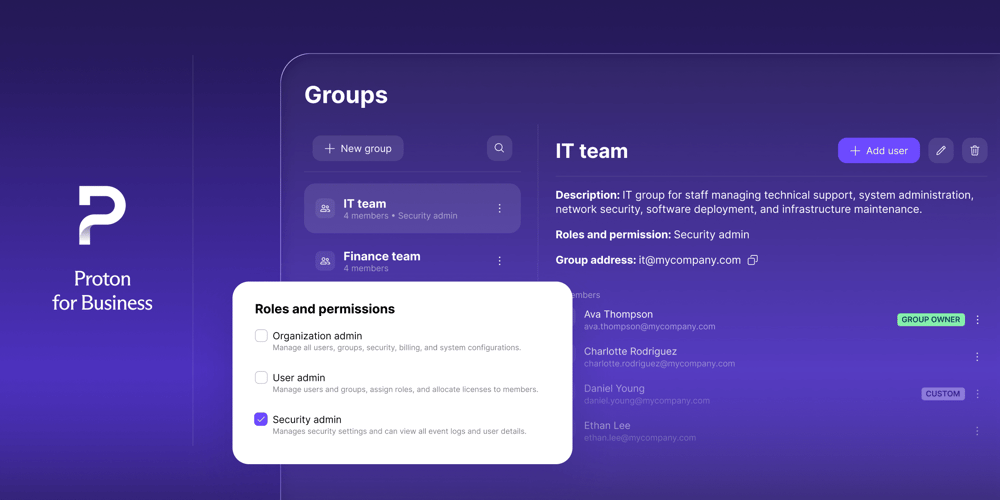
Менеджер паролей для бизнеса, такой как Proton Pass for Business, ограничивает ущерб от фишинговой атаки. Когда учетные данные уникальны, зашифрованы и управляются централизованно, одно успешное фишинговое сообщение скомпрометирует лишь один аккаунт, а не откроет путь к почте, финансовым сервисам и облачному хранилищу. Это дополняет обучение сотрудников, фильтрацию почты и финансовый контроль, а не заменяет их.
Proton Pass for Business также помогает сотрудникам создавать надежные пароли, использовать автозаполнение и управлять учетными данными с помощью централизованной панели администратора. Уникальные пароли, надежная аутентификация, безопасная передача учетных данных и контролируемый доступ не дают успешной попытке фишинга распространиться на всю компанию.
Защитите свою команду от фишинга с использованием ИИ с помощью менеджера паролей для бизнеса.