«В чем проблема?»
Такой ответ получил австрийский стратег по данным Фриц Фарингер от сотрудника крупной американской технологической компании, когда выразил обеспокоенность тем, что компании используют конфиденциальную электронную почту для обучения систем ИИ.
Этот диалог запомнился ему надолго. Он подтвердил то, что он уже видел своими глазами: в некоторых частях глобальной технологической экосистемы получить доступ к данным клиентов — это не просто техническая возможность. Это бизнес-модель.
Для Фарингера это представляет собой растущую брешь в доверии между поставщиками технологий и организациями, которые от них зависят.
Фарингер, который ранее руководил разработкой datahub.tirol(новое окно) — одного из первых в Европе региональных пространств данных, основанных на доверии, — провел годы, проектируя защищенные системы для того, чтобы делиться данными, и цифровую инфраструктуру для бизнеса и государственных учреждений.
Он воочию видел, как неопределенность в отношении того, кто может получить доступ к данным, контролировать их или извлекать из них выгоду, сдерживает развитие организаций. Это замедляло инновации, увеличивало риски и заставляло руководителей сомневаться в необходимости внедрения новых технологий.
Фарингер не одинок в своих сомнениях по поводу этих предположений. Для многих европейских организаций вероятность того, что поставщики могут получить доступ к конфиденциальной информации, анализировать или монетизировать ее, становится реальным бизнес-риском(новое окно).
Если поставщик обрабатывает или передает данные способом, противоречащим GDPR(новое окно) или местным правовым нормам, будет ли компания, использующая инструмент, по-прежнему нести ответственность? Могут ли конфиденциальные данные клиентов, планы продуктов, переговоры быть раскрыты, получен ли к ним внутренний доступ поставщиком или использованы ли они непредусмотренным образом? Могут ли их данные быть использованы для того, чтобы обучать модели или улучшать услуги, которые в конечном итоге приносят выгоду поставщику или даже конкурентам?
Именно эти опасения приводят компании в VALTYROL — бизнес Фарингера, который полностью сосредоточен на том, чтобы помочь лицам, принимающим решения, использовать более осознанный подход к тому, как обрабатываются их данные.
В этой цепочке писем мы беседуем с ним о том, как отказ от унаследованной технологической зависимости — и владение системами, через которые проходят ваши данные — часто начинается с таких повседневных инструментов, как электронная почта и встречи.
Давайте начнем с основ. Почему компаниям следует задумываться о том, от кого они зависят в управлении своими технологиями?
Потому что эти решения имеют долгосрочные последствия. Если вы сильно полагаетесь на поставщиков, чьи приоритеты или правовую среду вы не контролируете, вы можете постепенно потерять стратегическую гибкость и контроль над тем, как используются ваши данные.
В прошлом иногда было трудно объяснить, почему суверенитет имеет значение. Многие люди на самом деле не задумывались о том, где сохраняются их данные или кто в конечном итоге может получить доступ к ним.
Но в эпоху ИИ — а также при нынешней геополитической напряженности — люди начинают понимать, что данные являются стратегическим ресурсом. Если ваши данные сохраняются и обрабатываются компаниями вне вашей юрисдикции, вы теряете определенный уровень контроля над тем, как они могут быть использованы.
Вот почему многие организации в Европе начинают пересматривать свои зависимости. Они хотят понимать, кто управляет их инфраструктурой и что происходит с их данными.
Что мешает компаниям отказаться от использования глобальных поставщиков технологий по умолчанию?
Когда я основал свою собственную компанию, я с самого начала хотел делать все по-другому.
Мои цифровые инструменты были разбросаны по многим провайдерам — Gmail, различные облачные сервисы, VPN от другой компании. Большинство из них базировались в США.
Я решил перенести всё в более суверенную среду. Я перевёл свои электронную почту, менеджер паролей, VPN и облачное хранилище в Proton.
Для меня было важно объединить все в одну экосистему, которая соответствует ценностям, о которых я говорю на профессиональном уровне.
Но я это хорошо знаю: перенести всю ИТ-инфраструктуру разом очень сложно. Большинство компаний выстраивали свои системы на протяжении многих лет.
Обретение суверенитета должно происходить шаг за шагом. Одни из самых простых областей для начала — это инструменты коммуникации: электронная почта, встречи и платформы для совместной работы. Это те сферы, где компании могут внедрять более суверенные решения без перестройки всей своей ИТ-архитектуры.
Со временем эти решения складываются в более независимую и устойчивую цифровую инфраструктуру.
Почему такие инструменты, как конфиденциальная почта, VPN и защищенные встречи, важны для бизнеса сегодня?
Компаниям не стоит выбирать между удобством и конфиденциальностью.
Сегодня большая часть работы выполняется вне офиса — в поездах, кафе или во время поездок. В таких ситуациях вы часто подключаетесь через общественные сети, поэтому использование VPN — простой способ защитить ваше подключение.
Но инструменты для общения не менее важны. Именно через электронную почту и видеовстречи передается большое количество конфиденциальной информации.
Если вы посмотрите на популярные инструменты для проведения встреч, то увидите, что у каждого есть свои компромиссы. В Zoom есть ограничения на бесплатные звонки. Microsoft Teams может быть сложен в использовании. Google Meet работает хорошо, но ваши данные остаются внутри экосистемы Google.
Так что во многих случаях вам приходится выбирать между различными недостатками.
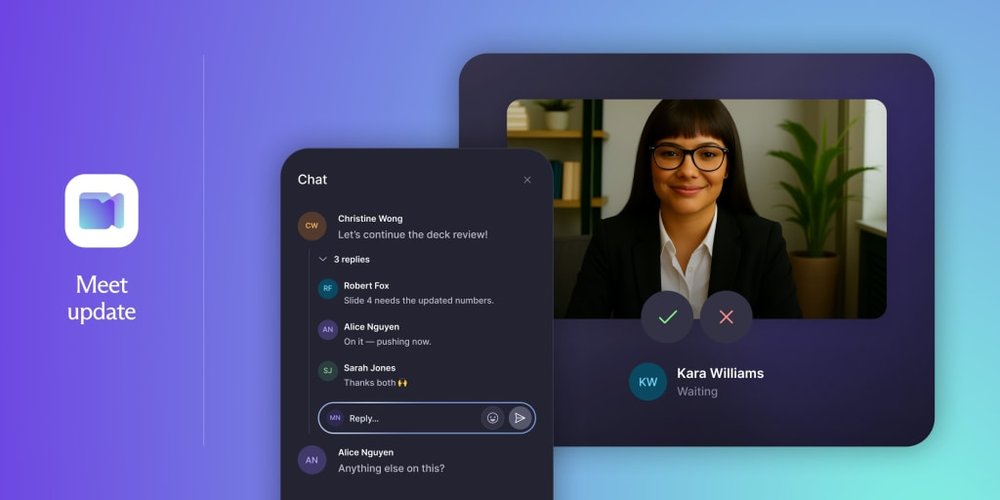
В Proton Meet мне нравится то, что он избавляет от необходимости идти на компромисс. Он прост в использовании и в то же время обеспечивает конфиденциальность. Для меня это сочетание очень важно.
Чем Proton выделяется на фоне инструментов, которые вы использовали раньше?
Меня привлекло то, что Proton предлагает целую экосистему.
У многих сервисов вы получаете только одну составляющую — например, электронную почту или хранилище, — а все остальное предоставляется другим поставщиком. Со временем вы приходите к разрозненной системе.
Proton предложил электронную почту, Drive, VPN, управление паролями и другие инструменты в рамках единой системы, ориентированной на конфиденциальность. Для малого бизнеса это сочетание очень эффективно.
Это позволило мне уйти от лоскутного набора различных сервисов и объединить все у одного провайдера, который ставит конфиденциальность на первое место.
Как клиенты или партнеры реагируют на то, что вы используете Proton?
Люди часто замечают адрес электронной почты Proton и спрашивают о нем.
Они говорят что-то вроде: «О, вы действительно серьезно к этому относитесь».
Для меня дело не в продаже Proton и не в убеждении людей перейти на него. Но это показывает, что я стараюсь жить согласно принципам, о которых говорю, — особенно в отношении суверенитета данных. Когда люди видят мою электронную почту Proton, они понимают, что я серьезно отношусь к суверенитету.
Это становится сигналом о том, что эти ценности не являются чисто теоретическими.
Какой совет вы бы дали европейским компаниям, которые хотят усилить контроль над своими данными?
Перенести всю ИТ-инфраструктуру за один раз очень сложно. Большинство компаний создавали свои системы на протяжении многих лет.
Но к суверенитету можно идти шаг за шагом.
Многие европейские компании проявляют интерес к ИИ, но в то же время они с осторожностью относятся к тому, как используются их данные.
Когда данные попадают на крупные платформы за пределами Европы(новое окно), компании часто чувствуют, что теряют контроль над ними. Они беспокоятся, что данные могут быть использованы для обучения моделей, извлечения прибыли где-то еще или даже принести пользу конкурентам.
Один из практических подходов — постепенно выстраивать более суверенный стек технологий. Например, я комбинирую региональных провайдеров с европейскими инструментами, ориентированными на конфиденциальность. Мой веб-сайт размещен у австрийского провайдера, которому я доверяю и с которым могу связаться на местном уровне, в то время как Proton обеспечивает инфраструктуру для общения — электронную почту, хранение данных, встречи и VPN.
Подобная настройка позволяет компаниям сохранять больше контроля над своими данными, при этом используя современные цифровые инструменты.
Вам не нужно менять все в одночасье. Но каждый шаг в сторону более доверенной инфраструктуры помогает создать более независимую и устойчивую цифровую среду.