
Proton for Business: Blog
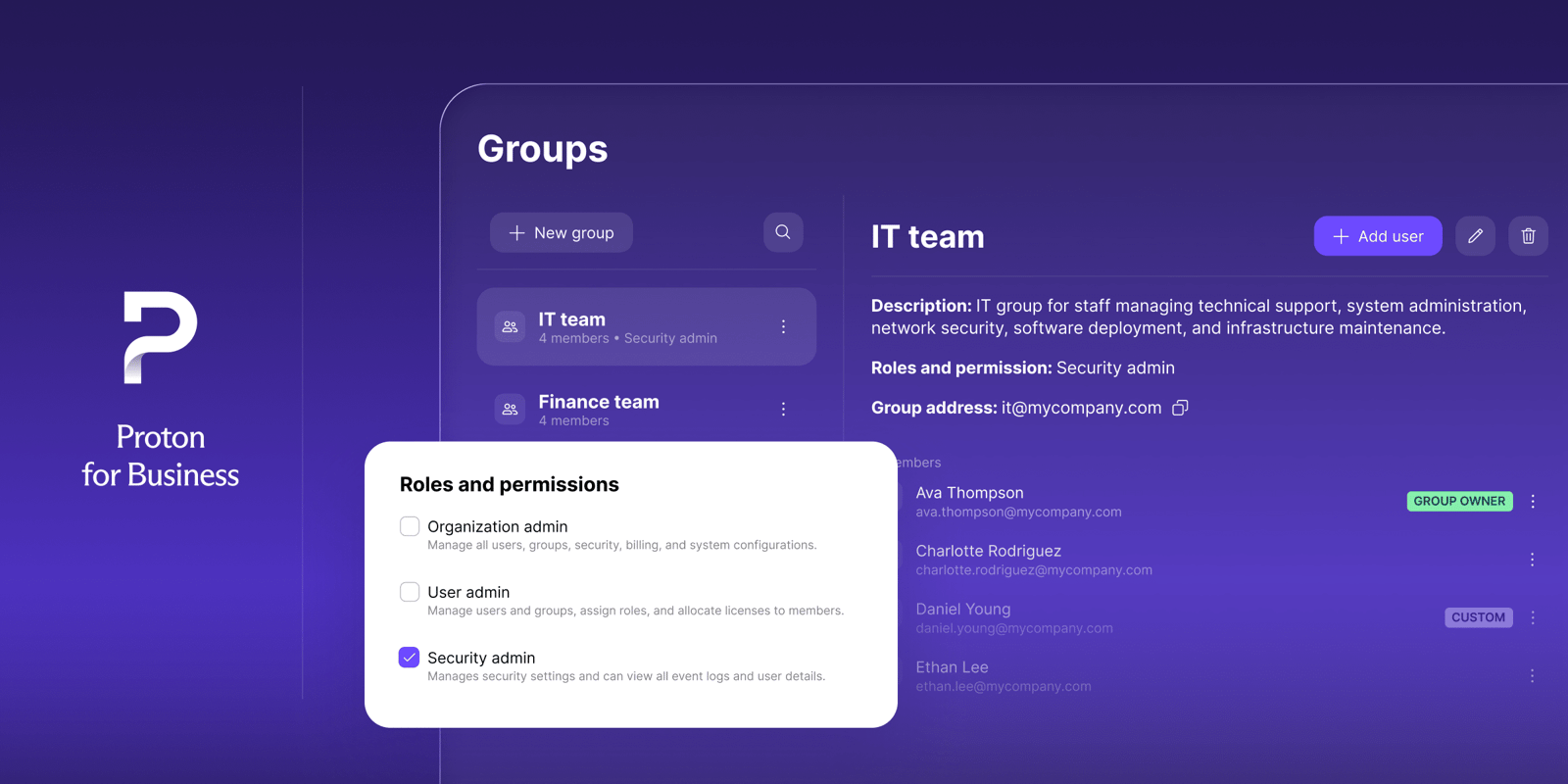
Proton ahora admite roles de administrador y SCIM para grupos, lo que te permite administrar el acceso de la organización de forma sencilla y más segura.


Mejora tu seguridad
Nuestro boletín mensual gratuito te ofrece noticias y recomendaciones para proteger tu empresa y evitar vulneraciones costosas.
Destacado

En este artículo, analizamos qué hacen los cortafuegos, cómo funcionan, para qué se utilizan y examinamos los diferentes tipos de cortafuegos.
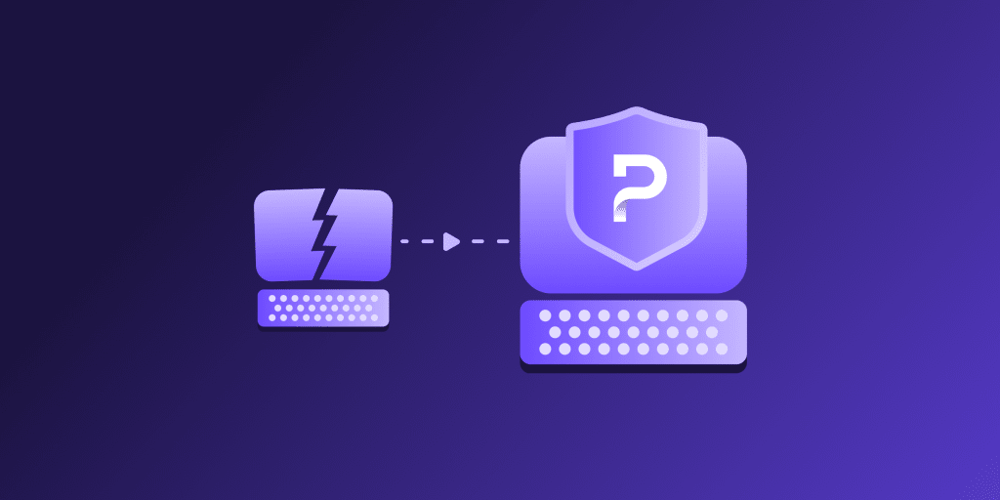
Mantén a tu equipo operativo durante las caídas de servicio con Proton Mail y Proton Meet: herramientas de comunicación con sede en Suiza.

La mayoría de las empresas europeas dependen de la tecnología estadounidense. El nuevo informe de Proton explica por qué esta dependencia es ahora un riesgo estratégico y cómo mitigarlo.
Más recientes
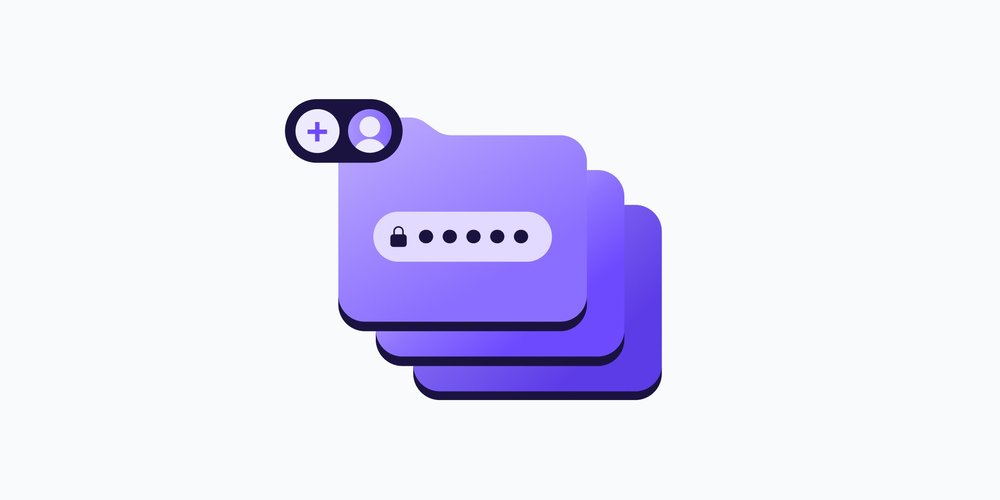
Aquí tienes algunos consejos prácticos para configurar un drive compartido con carpetas bien organizadas, permisos adecuados y un plan de limpieza sencillo.
¿Qué es la administración de riesgos de proveedores? Aprende a evaluar el riesgo de terceros proveedores, clasificar proveedores por niveles y controlar el acceso. Consigue la lista de verificación.
Aprende a crear un registro de incidentes de seguridad que sirva de soporte para los registros del GDPR, las decisiones del ICO, las reclamaciones de seguros y las revisiones de acceso a credenciales.