Los asistentes de IA han prometido lo que le falta a la mayoría de las empresas: eficiencia sin costes adicionales.
Pueden resumir tus correos electrónicos, responder en tu nombre, decidir qué mensajes requieren una decisión, automatizar eventos del calendario, extraer información de tus documentos e incluso organizarlos.
Para el fundador o ejecutivo de una pequeña o mediana empresa, donde las necesidades superan a los recursos, puede parecer un deseo concedido justo a tiempo. Lo único que te pide es absolutamente todo: acceso a tu bandeja de entrada, calendario, archivos e incluso información comercial confidencial.
Hasta un 69 % de las empresas ya utilizan asistentes de IA como ChatGPT, Claude y Grammarly, pero un 30 % no está seguro o no confía en las empresas de IA para proteger sus datos empresariales confidenciales.
La contrapartida no es obvia al principio. Pero lo que las pymes ganan en eficiencia, lo pagan en seguridad.
El precio de la eficiencia
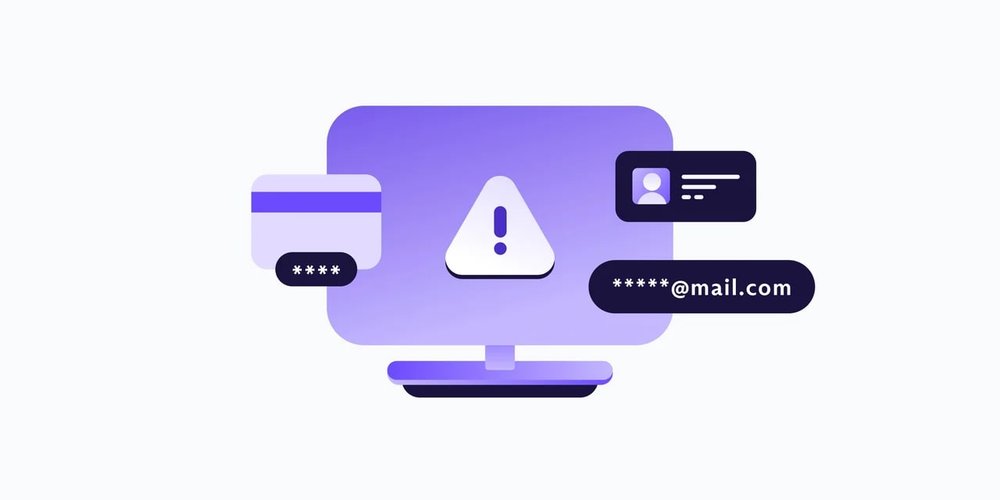
Cuando conectas tu Gmail, Google Drive o calendario a una herramienta como Comet de Perplexity, le estás concediendo permisos de OAuth, a menudo más allá del acceso para «ver». Según los permisos solicitados, la herramienta podría descargar contactos, controlar todo tu calendario e incluso escribir correos electrónicos en tu nombre.
Estos permisos se revelan técnicamente durante el flujo de autorización, pero la mayoría de los usuarios no evalúan por completo lo que significan en la práctica. Una vez concedidos, la herramienta puede acceder a datos confidenciales de la empresa y procesarlos a gran escala.
El mismo patrón se aplica a otros flujos de trabajo de asistencia de IA. Indexar las bases de conocimiento internas, resumir documentos de propiedad exclusiva o contextualizar los datos de la empresa; todo ello aumenta tu exposición.
Cuando no sabes qué acceso has concedido, no puedes evaluar con precisión el riesgo que has introducido.
Cuánto pueden ver los asistentes de IA y los navegadores
Sabes que los navegadores de IA como Comet de Perplexity o Atlas de ChatGPT(ventana nueva) pueden leer la página en la que estás, resumirla y reescribir texto. Pero ¿sabías que pueden actuar en tu nombre?
Dado que la eficiencia depende de una integración profunda, el asistente necesita visibilidad sobre tu actividad de navegación y puede solicitar acceso a las cuentas conectadas. En algunos casos, puede desencadenar acciones en lugar de simplemente generar texto.
Esta es, de forma más general, la arquitectura de los agentes de IA. Están diseñados para actuar en sistemas conectados. Un solo agente comprometido o manipulado puede desplazarse de forma consecutiva por tu correo electrónico, calendario, archivos y credenciales.
Esa es una consecuencia de cómo se crean estas herramientas. Genera una superficie que los investigadores ya están encontrando formas de explotar.
Los investigadores de seguridad ya han demostrado cómo las instrucciones ocultas incrustadas en el contenido web pueden manipular estos sistemas de formas no deseadas.
Una vulnerabilidad reciente, «CometJacking(ventana nueva)», demostró cómo las instrucciones incrustadas en las URL podían manipular a la IA para acceder a datos personales o de la empresa, o realizar acciones dañinas sin el conocimiento del usuario.
Los proveedores responden rápidamente con parches y medidas de seguridad. En este caso, Perplexity respondió con un enfoque de protección de cuatro capas. Pero el patrón destaca algo más fundamental: estas herramientas están diseñadas para interpretar y actuar.
Incluso Perplexity afirma en su política de privacidad(ventana nueva): «Ninguna medida de seguridad es impenetrable y no podemos garantizar una “seguridad perfecta”». La pregunta no es si una herramienta es segura ahora, sino si te sientes cómodo con el nivel de acceso que requiere.
Dónde recae la responsabilidad de la privacidad
Los proveedores de IA hacen hincapié en los controles de privacidad y las opciones de exclusión. El asistente Comet de Perplexity, por ejemplo, asegura a los usuarios que «el asistente Comet te da el control».
Pero esos controles asumen algo de forma incorrecta: que los usuarios entienden cómo se procesan sus datos, configuran activamente los ajustes correspondientes y supervisan cómo evolucionan las políticas a lo largo del tiempo.
En la práctica, la mayoría no lo hace. Según el Informe de ciberseguridad para pymes de 2026 de Proton, el 43 % de las pymes afirma que no puede verificar de forma independiente la privacidad de los proveedores, y el 35 % no entiende en absoluto cómo gestionan sus datos los proveedores.
Es posible que parte de la información se excluya del entrenamiento del modelo. Otros datos pueden conservarse para mejorar la personalización. Las políticas pueden diferir según las funciones y cambiar a medida que se desarrollan los productos. Desactivar ciertas funciones puede limitar las mismas capacidades que hacen que la herramienta sea atractiva en primer lugar.
En ese entorno, la privacidad ya no es una promesa estática del producto. Se convierte en una responsabilidad operativa continua.
La carga recae sobre ti, el usuario. Debes decidir qué datos se pueden compartir, supervisar las actualizaciones de las políticas, configurar los ajustes de forma adecuada y volver a evaluar el riesgo a medida que el producto evoluciona.
Esta página recopila guías prácticas y explicaciones sobre privacidad y seguridad de la IA(ventana nueva) para que sepas exactamente con qué estás trabajando.
Funciones de un asistente de IA privado o un navegador basado en IA
Tu equipo debería poder utilizar un asistente de IA sin preocuparse de que cada interacción se almacene, se analice para crear perfiles o se utilice para entrenar la siguiente versión del modelo.
- Sin registro de datos. Por defecto. Tu equipo debería poder utilizar un asistente o agente de IA sin preocuparse de que cada interacción se almacene, se analice para crear perfiles o se monetice. Si una herramienta crea «recuerdos» o «preferencias», deberías preguntarte: ¿Quién controla estos datos? ¿Está realmente desactivado por defecto o está oculto en los ajustes? Y si lo desactivo, ¿qué capacidades del producto pierdo?
- Sin entrenamiento de modelos con tu información comercial. Los documentos comerciales, la información de los socios, los informes o los planes nunca deben utilizarse para el entrenamiento de modelos de IA. Esto no solo es una cuestión de equidad, sino también de seguridad, ya que los datos pueden reaparecer en incidentes que no puedes controlar.
- Transparencia real. La transparencia genera confianza, pero solo si es real. Esto significa que deberías poder entender, en cada paso, cómo se gestionan tus datos y qué principios guían el producto. Si tienes que pasar dos horas analizando unos Términos y condiciones que contradicen tu experiencia real con la herramienta, eso no es transparencia. Es solo un eslogan.
- Cifrado de acceso cero. Con el cifrado de acceso cero, tus datos están protegidos por claves que solo tú controlas; ni siquiera el proveedor puede leerlos. Esto elimina la necesidad de confiar en políticas o promesas, ya que la arquitectura hace que el uso indebido sea técnicamente imposible.
La mayoría de las herramientas de IA extraen valor de las empresas que las utilizan. Tus conversaciones, documentos y archivos alimentan el entrenamiento de modelos, la creación de perfiles de audiencia y, en algunos casos, las solicitudes de datos gubernamentales, por lo general sin una divulgación o consentimiento significativos. Lumo no.
Lumo es el asistente de IA creado para empresas que se niegan a entregar sus datos por comodidad. Cifrado de acceso cero, sin registro de datos, sin entrenamiento de modelos con la información de tu empresa.