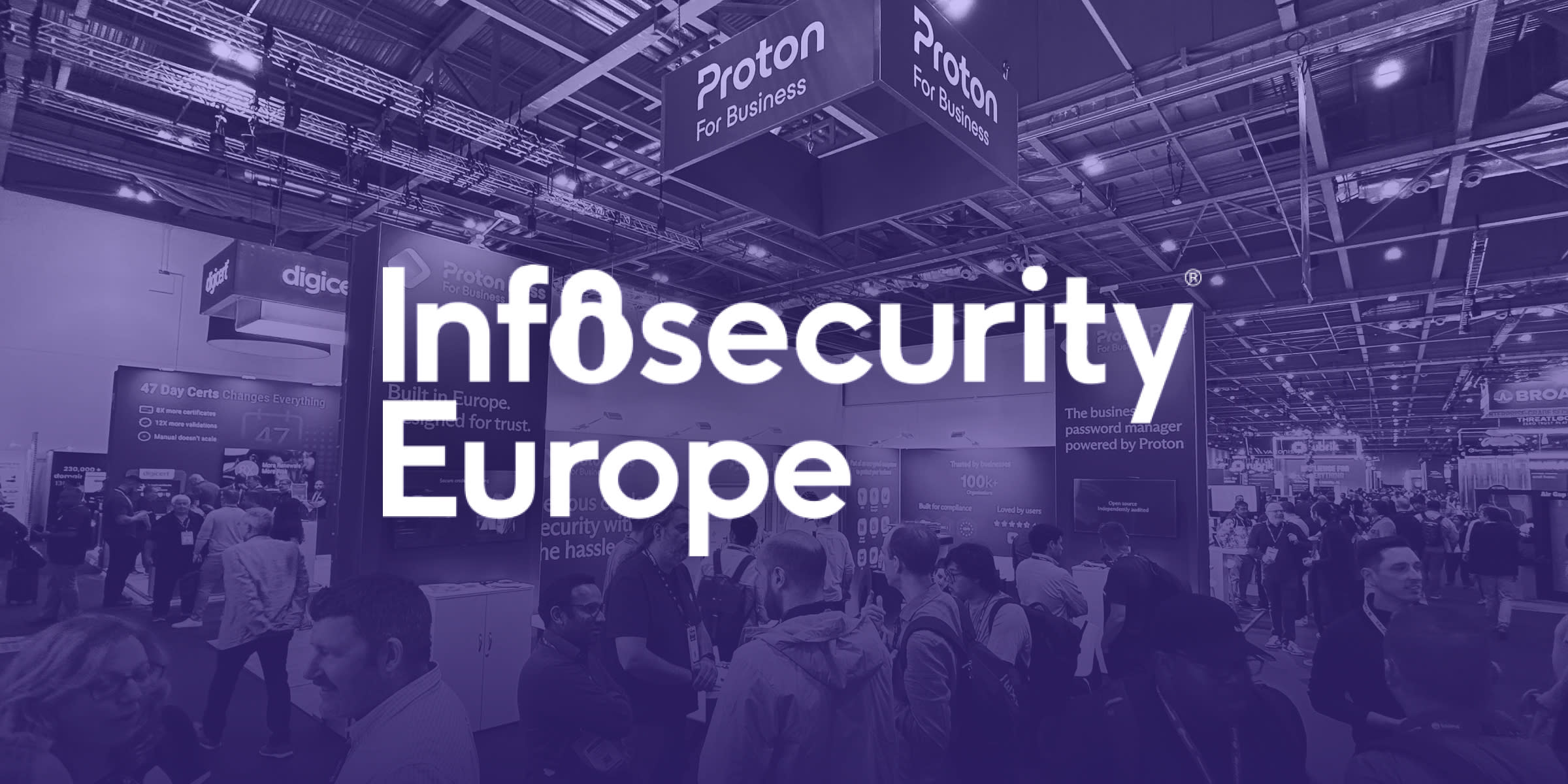
Infosecurity Europe reúne cada año en Londres a destacados expertos en ciberseguridad. Este año, Proton hizo su primera aparición en Infosecurity Europe 2026. Recibimos a cientos de visitantes en nuestro estand, que mostró nuestro gestor de contraseñas para empresas y otras soluciones empresariales, y nuestro gerente de producto de VPN para empresas(nueva ventana) ofreció una charla sobre los patrones de ciberataques y cómo pueden responder los equipos pequeños. El director de operaciones de Proton, Raphael Auphan, también conversó con Infosecurity Magazine(nueva ventana) sobre cómo combatimos a los delincuentes en nuestra plataforma.
Como resultado de todas esas conversaciones, nos llevamos una idea clara de lo que le interesa a la gente en este momento en materia de seguridad de TI. Hoy compartimos nuestras conclusiones clave para que esas conversaciones continúen.
Los temas principales incluyeron:
- Soberanía tecnológica
- Continuidad del negocio
- Los riesgos de la tecnología de EE. UU.
- El furor y la sobresaturación de la IA
De lo que todos están hablando
Durante más de 500 conversaciones en nuestro estand, hablamos con personas de todos los niveles de experiencia en diversos sectores, desde seguros hasta medios de comunicación, y desde empresas de ciberseguridad hasta supermercados. Nuestras conversaciones abarcaron desde debates generales sobre la tecnología europea hasta preguntas técnicas sobre cómo cambiar de la tecnología de EE. UU. a Proton.
Los invitados tenían mucho interés por comprender cómo se adapta Proton a un panorama tecnológico que cambia rápidamente. También hablaron sobre sus preocupaciones respecto a la continuidad del negocio y la protección de datos.

Las empresas quieren soberanía tecnológica
El impulso a la soberanía tecnológica de la UE ha cobrado un gran impulso en el último año. Hemos visto cómo los gobiernos han tomado medidas para reducir o incluso eliminar su dependencia de la tecnología estadounidense, y la Comisión Europea ha propuesto un nuevo paquete de soberanía tecnológica para desarrollar la capacidad interna. EE. UU. ya ha militarizado su dominio tecnológico frente al resto del mundo al prohibir el acceso extranjero(nueva ventana) al modelo de lenguaje grande más potente de Anthropic. La UE ya tuvo que rogar al gobierno estadounidense(nueva ventana) para acceder al modelo anterior, Mythos.
Al ver cómo se desarrollaba esto en las noticias, muchos de los invitados de Infosecurity Europe expresaron opiniones firmes sobre los riesgos de depender de la tecnología de EE. UU. La vigilancia y el intercambio de datos con terceros siempre han sido motivo de preocupación al utilizar Google o Microsoft. Sin embargo, las tensiones geopolíticas y el peligro de interrupción del servicio o pérdida de datos han hecho que estos riesgos sean demasiado significativos como para ignorarlos. Los líderes empresariales afirman que ya no sienten que tienen el control.
Afortunadamente, una oleada de soporte a la soberanía tecnológica significa que las empresas tienen significativamente más opciones si desean alejarse de la tecnología estadounidense. Tanto muchas empresas como gobiernos europeos están buscando activamente alternativas europeas que puedan ofrecer una mayor protección de la privacidad y un futuro más seguro.
Los líderes están preocupados por la continuidad del negocio
El año pasado, las sanciones de EE. UU. contra la Corte Penal Internacional(nueva ventana) mostraron cómo las decisiones políticas podrían afectar los procedimientos judiciales en Europa. Cualquier institución fuera de EE. UU. podría verse privada de datos y servicios en la nube de forma instantánea. Si eso sucede, puede paralizar por completo un negocio.
Hablamos con empresas que se hacían exactamente esta pregunta: si un proveedor de tecnología de EE. UU. desconecta a mi organización, ¿podremos seguir comunicándonos y manteniéndonos operativos? En Proton, ya hemos desarrollado soluciones.
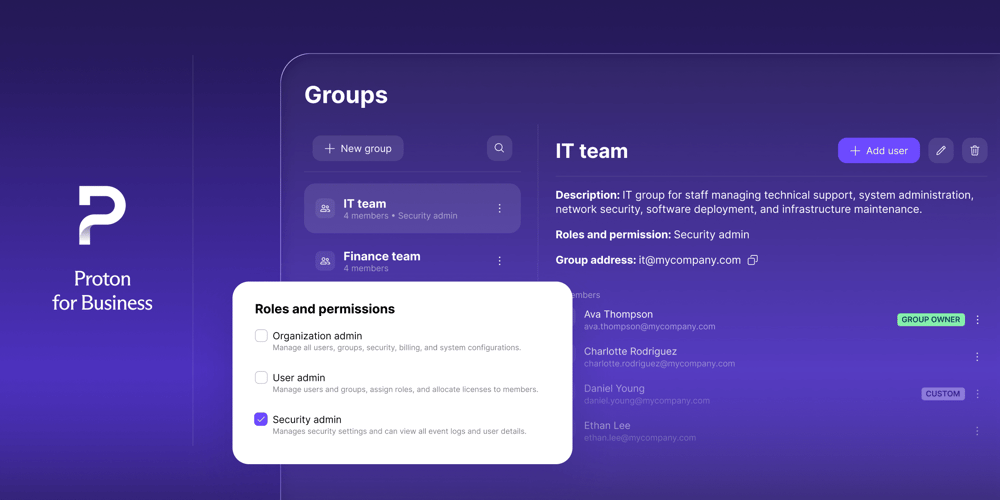
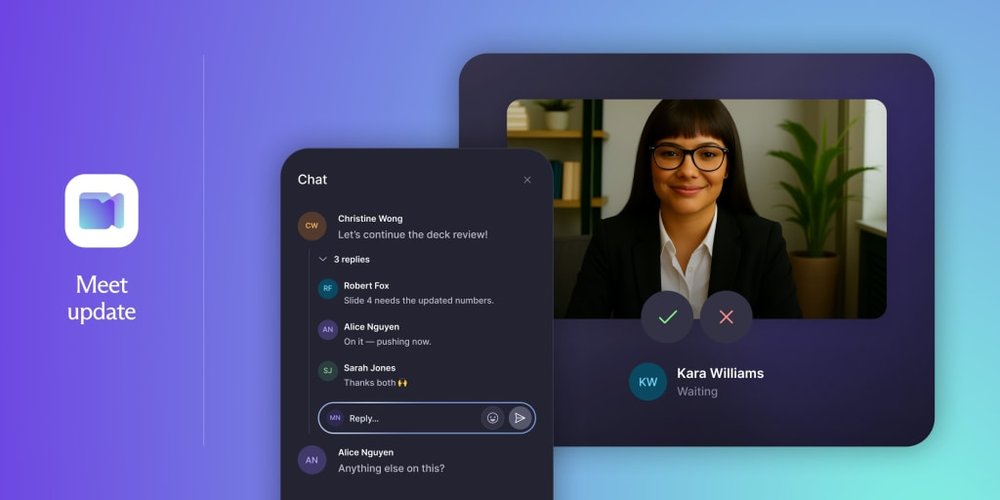
En marzo, lanzamos una suite europea cifrada para empresas que incluye correo electrónico, calendario, drive, docs, hojas, VPN, gestor de contraseñas, videoconferencias y un asistente de IA. Y este mes, presentamos Easy Switch para empresas para ayudarlas a realizar la migración sin tiempos de inactividad. Sin embargo, no todos están preparados para migrar por completo todos sus datos a una nueva plataforma. Algunos solo quieren un plan B de reserva. Por eso, también hemos presentado una opción de continuidad del negocio que ofrece a las organizaciones una forma de mantenerse en línea en caso de emergencia.
Las empresas no son plenamente conscientes de los riesgos de la tecnología de EE. UU.
Aunque los invitados nos hablaron de los riesgos de EE. UU. en general, muchos de ellos aún no tenían claro por qué deberían desconfiar de las ofertas de Google o Microsoft para empresas. Si bien las fallas de privacidad de los consumidores por parte de las grandes tecnológicas suelen aparecer en las noticias, las empresas asumen que se benefician de las protecciones empresariales porque pagan por el servicio y sus datos no se monetizan con anuncios. Pero este no es el caso.
Los proveedores de las grandes tecnológicas recurren constantemente al lavado de soberanía, afirmando que ofrecen una nube europea. Pero eso no les impide cambiar las reglas del juego. Lo vimos cuando Microsoft, en particular, introdujo el enrutamiento flexible para procesar los datos de Copilot fuera de Europa.
Las empresas también se ven afectadas por la recopilación de datos de las grandes tecnológicas con el fin de entrenar a la IA. Incluso si los correos electrónicos y los documentos no se utilizan para el entrenamiento a gran escala, se está priorizando el desarrollo de modelos por encima de la privacidad de los clientes. Muchas empresas también insisten en insertar sus soluciones de IA (como Gemini) en todo, incluso cuando no son deseadas. Más allá de explotar los datos para el entrenamiento de la IA, las propias herramientas ni siquiera garantizan la seguridad: las contraseñas guardadas en el navegador Microsoft Edge se dejan sin cifrar por diseño.
Aunque las empresas no sean conscientes de los mayores riesgos que causa la tecnología de EE. UU. que ya utilizan, están notando que las herramientas en las que antes confiaban ya no son tan buenas. Europa tiene la oportunidad de desarrollar una mejor tecnología en su propio territorio para solucionar esto.
Sobresaturación y confusión de la IA
La IA ha dominado el discurso público en el último tiempo, y las conversaciones en Infosecurity Europe no fueron la excepción. Hablamos con invitados que están adoptando la IA y con otros que observan cómo sus proveedores de servicios la incorporan en sus productos. Hubo dos temas recurrentes:
- Inversión excesiva en productos de IA no probados: las grandes empresas tecnológicas priorizan consolidarse como líderes en IA a expensas de sus productos principales y de las necesidades de los clientes de empresas más pequeñas.
- Confusión sobre las ofertas de IA: las personas están abrumadas por la gran cantidad de herramientas de IA en el mercado y les resulta cada vez más difícil distinguir las herramientas útiles de los intentos de monetización rápida.
La IA está absolutamente en todas partes, así que ¿cómo se puede saber qué es innovador y qué es solo una estrategia de marketing? Al igual que con cualquier herramienta nueva, los usuarios se han apresurado a adoptarla de forma temprana, mientras que los desarrolladores compiten por una participación en el mercado. Sin embargo, ahora que el panorama se está estabilizando, escuchamos a muchos invitados preguntarse cómo distinguir lo que es pura tendencia de lo que es realmente útil. También percibimos descontento con el soporte y la actitud de Microsoft hacia sus clientes en particular: con respecto a los datos, los invitados mencionaron que, a pesar de que sus datos están en Europa y les aseguraron que no se pueden revender, el equipo de TI de Microsoft puede acceder a ellos.
La confianza en la era de la IA es importante. Con demasiada frecuencia, las herramientas de IA incorporan anuncios o abusan de los datos personales a cambio de un servicio que ni siquiera respeta a sus usuarios. Cuando se trata del uso empresarial, la IA puede ser especialmente riesgosa. Dependiendo de dónde se almacenen sus datos para su procesamiento, sus consultas y cualquier dato que proporcione a una herramienta de IA podrían ser accedidos por gobiernos extranjeros. Tampoco hay garantías de que usted esté protegido por las leyes de protección de datos.
La IA es una herramienta potente y útil si se utiliza y gestiona de forma adecuada, pero debe ser privada por diseño y opcional. También es fundamental que tanto los particulares como las empresas adopten herramientas de IA europeas. Creamos nuestro chatbot de IA Lumo como una alternativa a los servicios de IA que no priorizan a sus usuarios ni protegen su privacidad. Forma parte de nuestra oferta empresarial porque sabemos que las empresas pueden beneficiarse de ella si así lo deciden, pero la IA no va a desviarnos de nuestra misión de construir una internet más privada tanto para particulares como para empresas.
En conclusión: la soberanía digital está en camino
Después de tantas conversaciones esclarecedoras, tenemos la esperanza de que la soberanía digital esté más cerca que nunca. Nunca ha habido tantas ofertas digitales europeas como hoy en día. And la privacidad de los datos, la inversión económica en Europa y una ciberseguridad reforzada son más viables para las empresas ahora que las alternativas europeas están ampliamente disponibles. Recibimos con entusiasmo un futuro en el que las empresas europeas puedan invertir en tecnología que las priorice y construya un futuro más privado.