I størstedelen af 20 år har to store spillere domineret kontorpakkeområdet, og der har kun været ét valg for mange virksomheder: skrivebordsstyrken i Microsoft 365 eller den nemme online-samarbejdsløsning i Google Workspace.
Nu stiger priserne, og det er ikke alle (mindst af alt SMV’er), der har råd til dem. Microsoft hæver priserne igen(nyt vindue) i juli 2026. Der er også spørgsmål, som bliver stadig sværere at ignorere, om, hvad disse udbydere gør med Deres data, og hvad det betyder ud fra et privatlivs- og sikkerhedsperspektiv.
Historisk set har alternativet for dem, der ikke bruger en af de to store, været en selvbygget løsning sammensat fra flere udbydere. Denne tilgang kan dog efterlade Dem med noget, der er dyrere, mere fragmenteret og mere sårbart end en enkelt integreret platform.
Markedet har ændret sig, og i 2026 er Deres valg mindre begrænsede.
Her er en sammenligning af de vigtigste kontorpakker i 2026: hvad hver enkelt koster, hvad hver enkelt indeholder, og hvad hver enkelt gør med Deres data.
Sådan klarer de vigtigste kontorpakker sig i sammenligning
Fire pakker dækker det meste af markedet for kontorpakker i 2026: de to etablerede ledere, en budgetmulighed og en pakke, der er bygget på en fundamentalt anderledes arkitektur end nogen anden.
Denne pakke er Proton Workspace. Proton Workspace er bygget på open source, uafhængigt revideret zero-knowledge-arkitektur, som krypterer Deres data, før de når Protons servere, hvilket gør det umuligt for Proton at få adgang til Deres data.
Uanset om De har brug for en komplet online-kontorpakke eller en erstatning til skrivebordet, kan De her se, hvordan de fire bedste muligheder klarer sig.
N.B. De viste priser er for Business Standard-niveauer (årlig afregning), medmindre andet er angivet. Priserne er nøjagtige på tidspunktet for udarbejdelsen.
| Microsoft 365 | Google Workspace | Zoho Workplace | Proton Workspace | |
| Primære apps | Word, Excel, PowerPoint, Teams, Outlook, OneDrive | Docs, Sheets, Slides, Meet, Gmail, Drive | Writer, Sheet, Show, Cliq, Mail, WorkDrive | Docs, Sheets, Meet, Mail, Drive, Kalender |
| Desktop-apps | Business Standard+ | Kun web | Kun web | Kun web |
| AI-assistent | Copilot (basis inkluderet; fuld Copilot tilføjer $30/bruger/måned) | Gemini (inkluderet) | Begrænset | Lumo (kun Premium) |
| Data er beskyttet mod at blive brugt af AI til funktionalitet og træning | Nej | Nej | Ja (begrænsede AI-funktioner) | Ja |
| Kryptering | Server-side, Microsoft har krypteringsnøglerne | Server-side, Google har krypteringsnøglerne | Server-side, Zoho har krypteringsnøglerne | Zero-knowledge-arkitektur, Proton har ingen nøgler |
| VPN inkluderet | Nej | Nej | Nej | Ja |
| Adgangskodeadministrator inkluderet | Nej | Nej | Nej | Ja |
| ISO 27001- og SOC 2 Type II-certificeret | Ja | Ja | Ja | Ja |
| Jurisdiktion | USA (CLOUD Act er gældende) | USA (CLOUD Act er gældende) | Indien/USA (CLOUD Act er gældende) | Schweiz (ikke underlagt CLOUD Act) |
| Basispris/bruger/måned | $14 (fra juli 2026) | $14 (Standard) | $6 (Professionel) | ~$14,25 (€12,99) |
| Reel pris/bruger/måned | $44 med fuld Copilot-tilføjelse | $14+ med sikkerhedstilføjelser | $6 | ~$14,25 alt inklusive |
| Bedst til | Microsofts økosystem, desktop-apps | Samarbejde, UX | Budgetbevidste SMV’er | SMV’er med fokus på privatlivet |
Den reelle pris for hver enkelt kontorpakke
Denne sammenligningstabel indeholder en række med ‘reel pris’, fordi de overordnede priser kan være misvisende.
Microsoft 365 Business Standard og Google Workspace Standard er begge angivet til $14/bruger/måned. Proton Workspace Standard koster €12,99/bruger/måned. Forskellene viser sig først, når De ser på, hvad hver platform opkræver ekstra for.
Microsoft promoverer Copilot som en grund til at blive på deres platform. Men for at få den fulde Copilot-oplevelse skal De betale yderligere $30/bruger/måned oven i Business Standard-abonnementet. For et team på 25 personer er det $9.000 mere om året.
Google opkræver ikke ekstra for deres AI. Google Workspace Business Standard inkluderer Gemini. Men hvis De ønsker yderligere sikkerhedsfunktioner ud over basislinjen, skal De have Google Workspace Business Plus ($22/bruger) eller købe tilføjelser separat.
Zoho Workplace Professional koster reelt kun $6/bruger/måned. Kompromiset er et mindre poleret økosystem og ingen zero-knowledge-arkitektur.
Protons prissætning er tilsvarende gennemsigtig, men Proton Workspace Standard indeholder meget mere end Zoho Workplace. De får alle de vigtigste kontor-apps for €12,99/bruger/måned, plus apps som Microsoft og Google ikke inkluderer: business-VPN og en adgangskodeadministrator – alt sammen beskyttet af zero-knowledge-kryptering og schweizisk jurisdiktion.
Spørgsmålet om privatliv, som de fleste sammenligninger af kontorpakker springer over
Hvem har krypteringsnøglerne?
Med andre ord: Har Deres udbyder af kontorpakken teknisk adgang til Deres dokumenter, e-mails og filer?
Google, Microsoft og Zoho har alle nøglerne.
Her er grunden til, at det betyder noget: Hvis Deres udbyder har nøglerne, kan de få adgang til Deres data, uanset hvad deres angivne privatlivspolitik siger – politikker ændrer sig. Og hvis Deres udbyder bliver udsat for et databrud, bliver Deres data også eksponeret.
Google og Microsofts AI forværrer problemet: Copilot og Gemini er begge afhængige af at have adgang til Deres dokumentindhold for at fungere. (Faktisk hævede Google priserne(nyt vindue) i 2025 for at indbygge Gemini i Business- og Enterprise-pakker.)
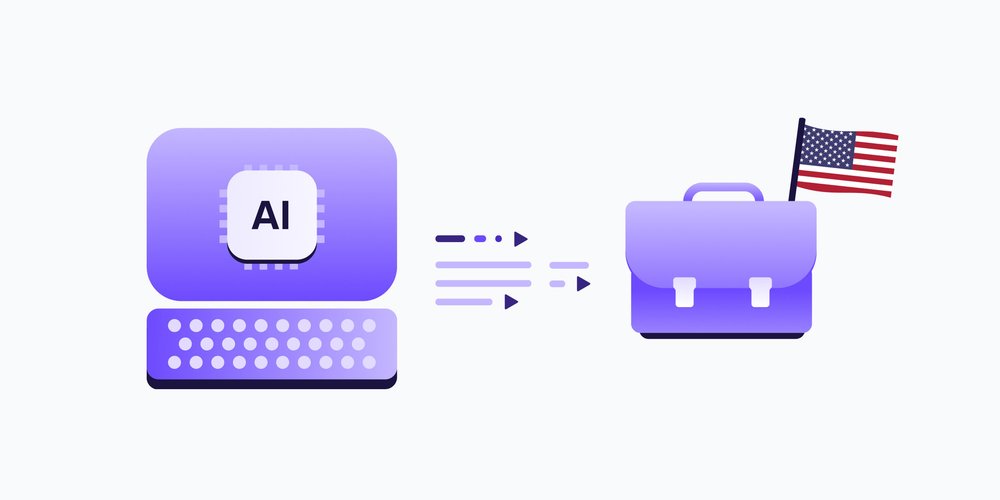
Datasuverænitet er en tredje bekymring. Microsoft, Google og Zoho gemmer data i jurisdiktioner, der er underlagt den amerikanske CLOUD Act(nyt vindue). Det betyder, at den amerikanske regering til enhver tid kan kræve at få adgang til Deres data.
Proton har ikke nøglerne og kan aldrig få adgang til Deres data, selv ikke hvis de pålægges det af en retskendelse. Med Proton Workspace får De den strukturelle garanti for en zero-knowledge-arkitektur, ikke en omskiftelig privatlivspolitik. Deres data krypteres på Deres enhed, før de når Protons servere, og de lagres i Schweiz, uden for den amerikanske CLOUD Act-jurisdiktion.
Brugere af Proton Workspace Premium får Lumo AI, en AI-assistent til erhvervsbrug, som ikke kræver adgang til Deres dokumentindhold og aldrig trænes på Deres data. (Zoho Workplace tilbyder kun begrænsede AI-funktioner.)
Få mere at vide om europæiske virksomheders afhængighed af amerikansk teknologi, og hvorfor indsatsen nu er højere end nogensinde før.
Proton Workspace: den eneste kontorpakke med indbygget privatlivsbeskyttelse
Med Proton Workspace får teams mulighed for bruge alle de store kontor-apps, som De finder i Microsoft 365 og Google Workspace: email til erhvervsbrug, kalender, virksomheders skylagring, dokumenter, regneark, videokonferencer og (for Premium-brugere) en AI-assistent.
Protons kontorpakke indeholder også to sikkerhedsfunktioner, som de to store ikke gør: en VPN til erhvervsbrug, der holder Deres teams forbindelser private, uanset hvor de arbejder, og en adgangskodeadministrator til teams, der lukker en af de mest sårbare vektorer.
Endelig gælder zero-knowledge-kryptering som standard på tværs af alle Proton-produkter, i modsætning til hos de to store.
Indtil videre har Proton Workspace ikke et modstykke til en præsentations-app eller dybe integrationer med ældre ERP-systemer (hvilket er værd at vide på forhånd, hvis Deres virksomhed er afhængig af komplekse tredjepartsforbindelser).
Men for virksomheder, der værdsætter datasuverænitet, er Proton det oplagte valg. Det er grunden til, at Proton nyder tillid fra mere end 100M+ brugere og 100.000+ virksomheder, herunder FN-agenturer og Fortune 500-virksomheder.
Hvilken kontorpakke er den rette for Dem?
Markedet for kontorpakker har ændret sig. De kan nu få både privatliv og produktivitet på en enkelt, komplet platform, der dækker alt, hvad en voksende SMV har brug for – uden at kræve, at De accepterer udbyderadgang og usikker jurisdiktion som en del af aftalen.
Proton Workspace er den eneste pakke i denne sammenligning, der er bygget på zero-knowledge-arkitektur, hvilket sikrer, at kun De kan få adgang til Deres data. Prisen er stort set den samme som for markedslederne, men med flere vigtige sikkerhedsfunktioner inkluderet i pakken.
Og det er nemt at komme i gang. Migrering fra Microsoft 365 og Google Workspace kan ske via selvbetjening, eller med fuld support fra Proton, hvis det er mere komplekst, og brugergrænsefladen er velkendt nok til, at Deres team kan komme i gang uden forudgående træning.