Useimmat yritykset rakentavat tiimityöohjelmistonsa samalla tavalla: työkalu kerrallaan tarpeiden mukaan. Toimintaa aloittaessa tämä tuntuu järkevältä lähestymistavalta.
Mutta asiassa on sudenkuoppa. Kun tiimiyhteistyön mahdollistamista lähestyy näin, päädytään helposti Frankensteinin hirviötä muistuttavaan ohjelmistokokonaisuuteen, joka koostuu täysin toisiinsa luonnottomasti kursituista osista.
Vaikka osat olisivat hyviä, niiden välinen yhteensopimattomuus aiheuttaa ongelmia. Maksat enemmän tilausmaksuja kuin pystyt seuraamaan. Et ole varma, kenellä on pääsy mihinkin. Lisäksi hukut ylläpitotöihin.
Tämä opas esittelee vaihtoehtoisen reitin: sellaisen tiimiyhteistyön ohjelmistokokonaisuuden rakentamisen, joka kokoaa olennaiset työkalut yhteen paikkaan ja on mahdollisimman yhtenäinen säästäen rahaa ja aikaa.
7 tiimiyhteistyötyökalua, jotka ohjelmistokokonaisuutesi tarvitsee
Jokaisen tiimiyhteistyön ohjelmistokokonaisuuden on katettava samat perusasiat: pikaviestintä, sähköposti, videopuhelut, asiakirjat, tallennustila ja projektinhallinta. Listaan kannattaa lisätä myös visuaalinen yhteistyö ja tietopankki.
Tässä ovat ne seitsemän työkalua, joilla katat kaikki tarpeesi ja suojaat samalla tietojesi luottamuksellisuuden.
1. For team chat: Slack
Slack on varma valinta tiimikeskusteluihin. Se muuttaa keskustelut pitkien ja hajanaisten sähköpostiketjujen sijaan järjestetyiksi, haettaviksi kanaviksi – projektin, tiimin tai aiheen mukaan jaettuina. Ääni- ja videohuddlejen avulla kuka tahansa voi aloittaa nopean puhelun poistumatta sovelluksesta, ja tiedostonjako pitää asiayhteyden mukana keskustelussa. Slack tarjoaa kaiken pienen tiimin tarvitseman rakenteen ja skaalautuu henkilömäärän kasvaessa integroituen saumattomasti kasvavaan ohjelmistokokonaisuuteesi satoja muita työkaluja yhdistävän integraatiokirjaston kautta.
2. For business email and calendar: Proton Mail
Proton Mail tarjoaa kaikki samat olennaiset yrityssähköpostin toiminnot kuin Gmail tai Outlook, ja lisäksi saat päästä päähän -salauksen. Google ja Microsoft käsittelevät viestien sisältöä haku- ja tekoälyominaisuuksien kehittämiseksi; Proton Mailin salattu arkkitehtuuri varmistaa, että yrityksesi viestintä pysyy vain omien silmiesi alla. Mukana tulee myös Proton Calendar, joten tapahtumatietosi – kuten kokousten otsikot ja osallistujaluettelot – pysyvät niin ikään yksityisinä, eikä aikatauluttaminen vaadi erillistä sovellusta tai uutta kirjautumista.
3. For project and task management: Trello
Trello yksinkertaistaa tehtävien seurannan olennaisimpaan hyödyllisyydestä tinkimättä: siinä hallitaan tauluja ja tehtäväkortteja, jotka siirtyvät tekemättömistä tehdyiksi lähes ilman uusien tiiminjäsenten oppimiskynnystä. Kun puhumme myöhemmin yhtenäisistä alustoista, kannattaa muistaa, että useimmat alustat eivät korvaa tätä työkalua – se kannattaa siis budjetoida omaksi erilliseksi eräkseen ohjelmistovalikoimassasi.
4. For video conferencing: Proton Meet
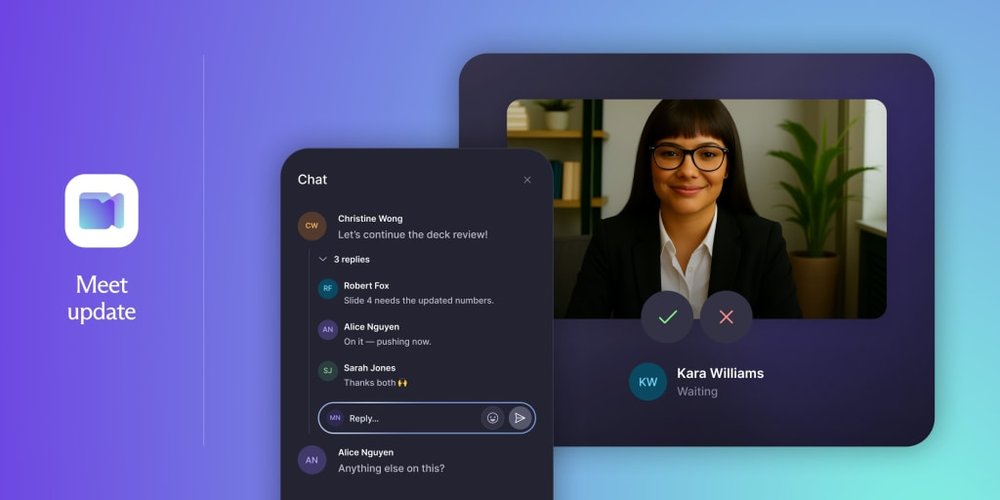
Zoom saattaa olla monille yrityksille ensisijainen valinta videoneuvotteluihin, mutta se on kaukana yksityisimmästä vaihtoehdosta. Sen AI Companion -ominaisuus käsittelee puhelun sisältöä – mukaan lukien kaupallisesti arkaluonteisia tietoja – luodakseen tiivistelmiä ja puhtaaksikirjoituksia. Proton Meetin oletusarvoinen päästä päähän -salaus varmistaa, että puhelussa sanotut asiat pysyvät vain puheluun osallistuvien tiedossa. Vieraat liittyvät linkin kautta ilman tiliä, ja ilmaisversio kattaa tunnin mittaiset puhelut jopa 50 osallistujalle.
5. For visual collaboration: Miro
Miro on pohjimmiltaan digitaalinen valkotaulu, mutta sen rajaton piirtoalusta tarjoaa hajautetuille tiimeille jaetun tilan suunnitteluun, aivoriihiin ja työpajoihin, jollaista mikään perinteinen valkotaulu – tai edes keskusteluketju tai asiakirja – ei pysty tarjoamaan. Mirossa on niin paljon ominaisuuksia, että niiden kaikkien hallitseminen vie aikaa, mutta aloittaminen kestää vain muutaman minuutin: retrospektiivien ja tiekarttasessioiden mallipohjat takaavat, ettei uusien tiimien tarvitse aloittaa tyhjältä kankaalta.
6. For cloud storage and document collaboration: Proton Drive
Proton Drive tarjoaa yrityksille pilvitallennustilaa, joka vastaa Google Drivea ja Dropboxia tiedostokohtaisissa käyttöoikeuksissa ja versiohistoriassa. Se erottuu edukseen tietomurron sattuessa. Google ja Dropbox tarvitsevat pääsyn tiedostojesi sisältöön indeksoidakseen ne hakua varten ja käyttääkseen tekoälyominaisuuksia. Tämä tarkoittaa, että niillä on avaimet sopimuksiisi, taloustietoihisi ja tuotekarttoihisi, ja niihin kohdistuva tietomurto voi paljastaa tämän sisällön suoraan. Proton Drive on oletuksena päästä päähän -salattu ja perustuu nollapääsyarkkitehtuuriin: Proton ei voi purkaa tiedostojesi salausta, eikä siihen pysty myöskään kukaan palvelimille murtautuva.
Proton Drive kattaa myös asiakirjayhteistyön, sillä Proton Docs ja Proton Sheets sisältyvät jokaiseen Proton Drive -tilaukseen. Docs ja Sheets tarjoavat samat perustoiminnot kuin Googlen ja Microsoftin asiakirjatyökalut (reaaliaikainen yhteismuokkaus, kommentit ja versiohistoria) lisäten mukaan päästä päähän -salauksen, mikä varmistaa sopimuksillesi, luonnoksillesi ja talousmalleillesi saman suojan kuin kaikelle muullekin ohjelmistokokonaisuudessasi.
7. Tietopankiksi: Notion
Monet yritykset – erityisesti nopeasti kasvavat – kamppailevat epäjärjestyksessä olevan sisäisen dokumentaation aiheuttaman kaaoksen kanssa. Notion keskittää sisäisen dokumentaation, wikit ja viitemateriaalin yhteen haettavaan tilaan vähentäen huomiosta kilpailevia hajallaan olevia ja vanhentuneita kopioita. Lisäksi se on tarpeeksi joustava toimiakseen kevyenä projektiseurannan työkaluna, jos tiimisi ei tarvitse Trellon kaltaista erillistä työkalua.
Jos tiimisi kuitenkin tallentaa luottamuksellisia asiakastiedostoja, strategia-asiakirjoja, tuotesuunnitelmia tai yrityksen aineetonta omaisuutta pilveen, suosittelemme turvallisempaa Notion-vaihtoehtoa, kuten Proton Drivea.
Erillisen yhteistyöohjelmistokokonaisuuden piilokustannukset
Oletetaan, että aloitat puhtaalta pöydältä ja päätät valita suosittelemamme seitsemän työkalua. Tältä yhteistyöohjelmistokokonaisuutesi näyttää (huomaa, että rivejä on vain seitsemän, sillä Drive sisältää sekä Docsin että Sheetsin) – ja se näyttää varsin vakuuttavalta.
Alusta | Sopii parhaiten | Hinnoittelu | Tärkein ominaisuus |
| Slack | Tiimikeskustelu | Ilmainen; Pro alk. 7,25 $/käyttäjä/kk (vuosilaskutus) | Kanavat, huddle-pikapuhelut, laaja integraatiokirjasto |
| Proton Mail | Yrityssähköposti | Mail Essentials (sisältää Proton Calendarin) 6,99 $/käyttäjä/kk (vuosilaskutus) | Jaettu verkkotunnus, sisäänrakennettu salattu kalenteri ja yhteystiedot |
| Proton Meet | Videoneuvottelu | Meet Professional 7,99 $/käyttäjä/kk (vuosilaskutus) | Linkkipohjainen vieraspääsy, latausta ei vaadita |
| Proton Drive | Pilvitallennustila ja asiakirjayhteistyö | Drive Professional (sisältää myös Proton Sheetsin) 7,99 $/käyttäjä/kk (vuosilaskutus) | Tarkat tiedostokohtaiset käyttöoikeudet, reaaliaikainen yhteismuokkaus, versiohistoria |
| Trello | Projekti- ja tehtävähallinta | Ilmainen; Standard alk. 5 $/käyttäjä/kk (vuosilaskutus) | Taulut, kortit, automaatiosäännöt |
| Miro | Visuaalinen yhteistyö | Ilmainen; Starter alk. 8 $/käyttäjä/kk (vuosilaskutus) | Rajaton piirtoalusta, mallipohjat toistuviin istuntoihin |
| Notion | Tietopankki | Ilmainen; Plus alkaen 10 $/käyttäjä/kk (vuosilaskutus) | Sivut, tietokannat, wikit |
Jos näitä työkaluja käytetään kuitenkin erillisinä eikä yhdelle alustalle keskitettyinä, altistut kolmelle suurelle ongelmalle.
1. The hidden subscription bill
Yksittäin tarkasteltuna seitsemän työkalun kokonaisuutemme työkalut eivät vaikuta kovin kalliilta. Kun nämä tilaukset kuitenkin lasketaan yhteen, 25 hengen tiimi kerryttää (tätä kirjoitettaessa) noin 15 900 dollarin vuosittaisen laskun. Eikä tiimisi todennäköisesti edes käytä jokaista käyttöpaikkaa.
Erillisten tiimityökalujen kokonaiskustannuksista on helppo menettää käsitys. Tiedät tilausten uusiutuvan automaattisesti, mutta et halua perua työkalua, jota epäilet kenenkään käyttävän, koska silloin pitäisi etsiä kirjautumistiedot. Tai olet huolissasi, että joku tiimissäsi kuitenkin tarvitsee sitä. (Miksi se muuten olisi hankittu?)
2. The cost of insecurity
Erilliset työkalut kasvattavat hyökkäyspinta-alaa, ja jokainen niistä on mahdollinen virhekonfiguraatio odottamassa tapahtumistaan. Pitkällä aikavälillä se voi tulla kalliiksi. Protonin tutkimus osoittaa, että 25 % pk-yrityksistä koki tietomurron viime vuonna, ja 57 % tietomurron kohteeksi joutuneista pk-yrityksistä menetti 10 000 – 100 000 dollaria.
3. The burden of admin
Aika on rahaa, ja useat eri työkalut vaativat kumpaakin runsaasti. Ajattele kaikkea aikaa, joka kuluu käyttöoikeuksien lisäämiseen ja mitätöimiseen seitsemässä eri työkalussa (olettaen, että muistat tehdä sen), seitsemän erillisen laskun täsmäyttämiseen tai sen selvittämiseen, käyttääkö kukaan todellisuudessa sitä Miron käyttöpaikkaa, josta olet maksanut maaliskuusta lähtien. Kaikki nämä kulut eivät välttämättä näy yhdellä laskulla, mutta ne ovat olemassa.
Mitä keskitetty yhteistyötyökalujen kokonaisuus tarjoaa
Ratkaisu erillisten työkalujen tuomiin kustannuksiin ja hävikkiin ei ole paremmat työkalut, eikä varsinkaan useammat työkalut. Ratkaisu on tiimityöalusta, joka kattaa mahdollisimman monet erillisten työkalujesi toiminnoista ja tarjoaa samalla turvallisen ja helposti hallinnoitavan perustan kaikille muille tarvitsemillesi työkaluille.
Pick your platform wisely, and replacing multiple tools with one platform will simplify and secure your team collaboration in a single stroke. When you have one platform handling team communication, file storage, document collaboration, and admin, you’re only dealing with:
- Yksi lasku, yksi uusiutumispäivä ja yksi omistaja. Ei lainkaan automaattisia veloituksia käyttämättömistä työkaluista
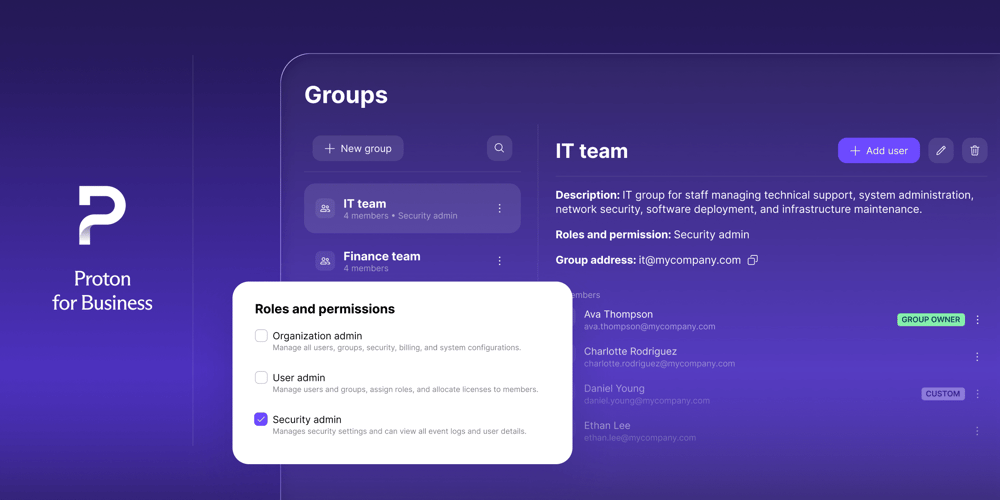
- Yksi hallintapaneeli perehdytyksen, lähtöprosessin ja käyttöoikeuksien hallintaan. (Ei enää alihankkijoita pyörimässä Dropboxissasi kuukausia projektin päättymisen jälkeen)
- Yksi tietoturvamalli, yksi hallinnoitava käyttöoikeusjärjestelmä, ei aukkoja työkalujen välillä eikä riskiä seitsemän eri työkalun virheellisistä määrityksistä
- Yksi kirjausketju, josta näet yhdestä paikasta, kuka käytti mitäkin ja milloin (ja voit esittää todisteet sijoittajille tai viranomaisille pyydettäessä)
Keskitetty ja salattu työkalukokonaisuus ei ainoastaan säästä tilausmaksuissa ja tietoturvaloukkauksissa. Se viestii asiakkaillesi, että suhtaudut heidän tietoihinsa vastuullisesti. Se myös osoittaa sijoittajille, että toimintasi on hallinnassa.
Alusta työkalujesi keskittämiseen: Proton Workspace
Yrityksille suunnatun digitaalisen työtila-alustamme Proton Workspacen avulla saat kaikki mainitsemamme Proton-tuotteet ja -ominaisuudet yhdellä alustalla: Mailin (mukaan lukien Calendar), Meetin ja Driven (mukaan lukien Docs ja Sheets).
Sen sijaan, että käyttäisit näitä tuotteita erillisinä tilauksina omine hallintapaneeleineen ja laskuineen, saat ne kaikki yhdelle tilille ja yhden tietoturvamallin alle.
- Tilaussäästöt: Mailin, Meetin ja Driven hankkiminen erillisinä tilauksina maksaa enemmän kuin niiden ottaminen yhdessä, sillä jokaisesta veloitetaan oma perusmaksu käyttöpaikkakohtaisen hinnoittelun lisäksi. Proton Workspace yhdistää ne kaikki yhdeksi laskuriviksi. Proton Workspace ei korvaa Slackia, Trelloa tai Miroa (tarvitset edelleen erilliset työkalut pikaviestintään, projektinhallintaan ja visuaaliseen yhteistyöhön), mutta niiden työkalujen osalta, jotka se korvaa, säästö on todellinen.
- Ylläpidon helpottuminen: Kolmen hallintapaneelin sijasta sinulla on yksi. Kolmen laskun ja kolmen eri uusiutumispäivän sijaan saat vain yhden. Näet tarkalleen, kuka käyttää mitäkin, joten et enää maksa käyttöpaikoista, joita kukaan ei ole käyttänyt maaliskuun jälkeen. Ja kun joku aloittaa tai lopettaa, perehdytys ja lähtöprosessi vaativat vain yhden toimenpiteen käyttäjää kohden kolmen sijaan. (Eivätkä alihankkijat enää säilytä pääsyä kansioihin, jotka eivät heille enää kuulu.)
- Tietoturvallinen perusta: Luot turvallisen perustan yhteistyölle. Proton Workspace on ISO 27001 -sertifioitu sekä GDPR- ja HIPAA-yhteensopiva. Kaikki sen palvelut pitävät tietosi suojattuina päästä päähän -salauksella ja Sveitsin lainsäädännön alaisuudessa. Edes Proton ei pääse käsiksi tiedostoihisi.
Tämän lisäksi saat mukaan lisätuotteita: Workspace Standard -tilaajat saavat pakettiin mukaan yritys-VPN:n ja tiimin salasananhallinnan; Premium-tilaajat saavat nämä sekä Lumon, yrityksille suunnatun tekoälyavustajamme.
Sähköpostin ja kalenterin siirtäminen Protoniin on suoraviivaista: Protonin Easy Switch -työkalu tuo olemassa olevat sähköpostisi, yhteystietosi ja kalenterisi automaattisesti (myös Gmailista).
Harvat pk-yritykset saavat yhteistyötyökalunsa kerralla kuntoon. Oikea tiimityöalusta on sellainen, jota tiimisi käyttää, jota ylläpitäjäsi hallinnoi ja jonka taloustiimisi näkee yhdellä laskulla.