İster bir filmle rahatlayın, ister alışveriş yapın, ister Twitch’te sevdiğiniz bir yayıncıyı izleyin; Amazon servislerinin günlük hayatınızın bir parçası olması çok kolay. Geride bıraktığınız bilgilere ne olduğunu kontrol etmek ise çoğu zaman başka bir güne bırakılan bir iş gibi gelir.
Yapay zeka eğitimine katkıda bulunmak muhtemelen hesap açmanızın nedeni değildi. Peki Amazon hangi bilgileri modellerini eğitmek için kullanabilir, kullanılıp kullanılamayacağına kim karar veriyor, bu sizi nasıl etkiliyor ve katılmak istemiyorsanız hangi seçeneklere sahipsiniz? Yanıtları bulmak için Amazon’un bazı temel servislerine ve iş yerlerine baktık.
- Alexa: Sesli etkileşimler Amazon’un modellerinin eğitilmesine yardımcı oluyor
- Twitch: Yayın akışınız Amazon’un eğitim malzemesi haline gelebilir
- Ring kameraları: Özel videolar ve algoritma eğitimi konusunda FTC’nin davası
- Fire TV: İzleme verileri profilleme malzemesine dönüşüyor
- Amazon’un iş yerleri: Otomasyon, eğitim ve gözetim
- Gizlilik hizmetin bir parçası olmalı
Alexa: Sesli etkileşimler Amazon’un modellerinin eğitilmesine yardımcı oluyor
Alexa, Echo hoparlörler ve diğer aygıtlar üzerinden kullanılabilen Amazon’un sesli asistanıdır. Başka bir şeyle meşgulken ondan müzik çalmasını, zamanlayıcı kurmasını veya bir soruyu yanıtlamasını isteyebilirsiniz.
Amazon hangi Alexa verilerini yapay zeka eğitimi için kullanabilir?
Amazon’un Alexa SSS(yeni pencere) sayfasına göre, yapay zeka modellerini eğitmek için aşağıdaki veriler kullanılabilir:
| İçerik türü | Amazon’un yapay zeka eğitimi için kullanabilecekleri |
|---|---|
| Ses kayıtları | Aksanınız, lehçeniz ve konuşma kalıplarınız dahil olmak üzere konuşmanız |
| Transkriptler | Kaydedilen konuşmaların yazılı sürümleri |
| Yazılan istekler | Alexa’ya yazdığınız sorular ve talimatlar |
Amazon Alexa gizlilik davaları
Amazon, Alexa’nın kişilerin konuşmalarını nasıl kaydettiği, sakladığı ve kullandığı nedeniyle gizlilik davaları ve düzenleyici işlemlerle karşılaştı.
2023’te ABD Federal Ticaret Komisyonu (FTC) ve Adalet Bakanlığı, Amazon’un ebeveynler silme talebinde bulunmadığı sürece çocukların ses kayıtlarını süresiz olarak sakladığını(yeni pencere) ve yasa dışı olarak saklanan bu verileri Alexa’nın algoritmalarını iyileştirmek için kullandığını iddia etti. FTC’ye göre çocukların konuşmaları, yetişkinlerin konuşmalarından farklı olduğu için değerli eğitim verileri sağlıyordu.
Kurum ayrıca, ebeveynler silme talebinde bulunduğunda Amazon’un transkriptleri tüm veritabanlarından kaldırmadığını iddia etti. Şirket suçlamaları reddetti ancak 25 milyon dolarlık hukuki para cezasını(yeni pencere) ödemeyi, etkin olmayan çocuk hesaplarını ve belirli ses ile konum verilerini silmeyi ve bu verileri ürünlerini oluşturmak veya iyileştirmek için kullanmayı bırakmayı kabul etti.
Ayrı bir davada Washington, Florida ve Maryland’den üç davacı, Amazon’u Alexa aracılığıyla özel konuşmalarını izinsiz kaydetmekle suçladı. Hiçbiri aygıtları kendisi kaydetmemişti, ancak kayıt yaptırmış aile üyeleriyle birlikte yaşıyorlardı. Anlaşmazlık, Alexa’nın başka bir kelimeyi veya sesi uyandırma sözcüğü sanıp kayda başladığı ‘yanlış uyandırma’ durumlarıyla ilgili. Mart 2026’da bir federal yargıç Amazon’un özet karar talebini kısmen reddetti(yeni pencere); yanlış uyandırma kayıtlarına ilişkin dinleme iddialarının devam etmesine izin verirken davadaki diğer iddiaları düşürdü.
Alexa’nın ses kayıtlarınızı kullanma biçimini nasıl sınırlayabilirsiniz
Mart 2025’ten itibaren bir Echo aygıtına yapılan her istek Amazon’un bulutuna gönderiliyor. Bunu engelleyemezsiniz, ancak sizin ve ailenizin sesinin Amazon yapay zeka modellerini oluşturmak ve iyileştirmek için kullanılması fikri size rahatsız edici geliyorsa yapabilecekleriniz şunlar:
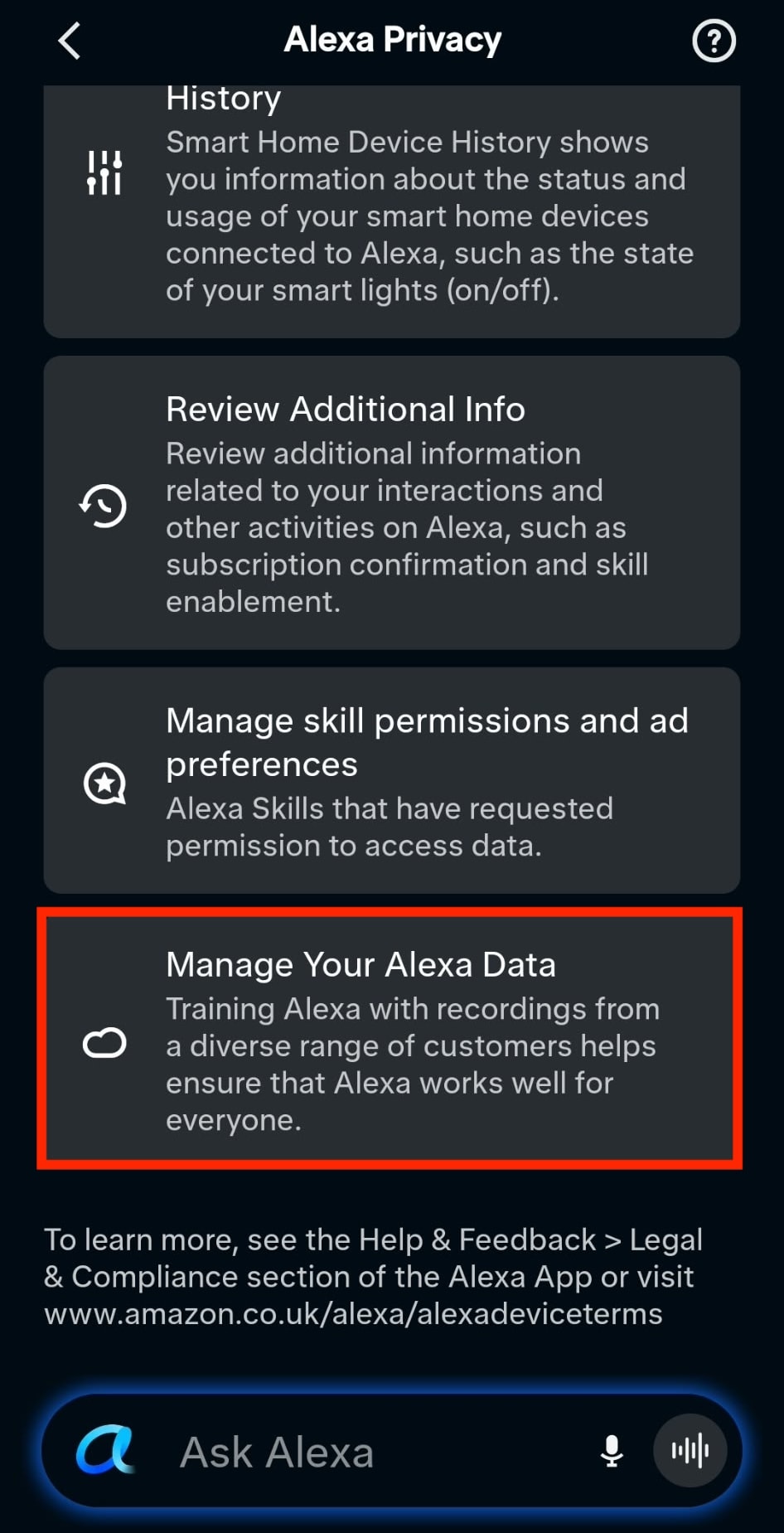
- Amazon Alexa uygulamasında Diğer → Alexa Gizliliği → Alexa Verilerinizi Yönetin bölümünü açın.
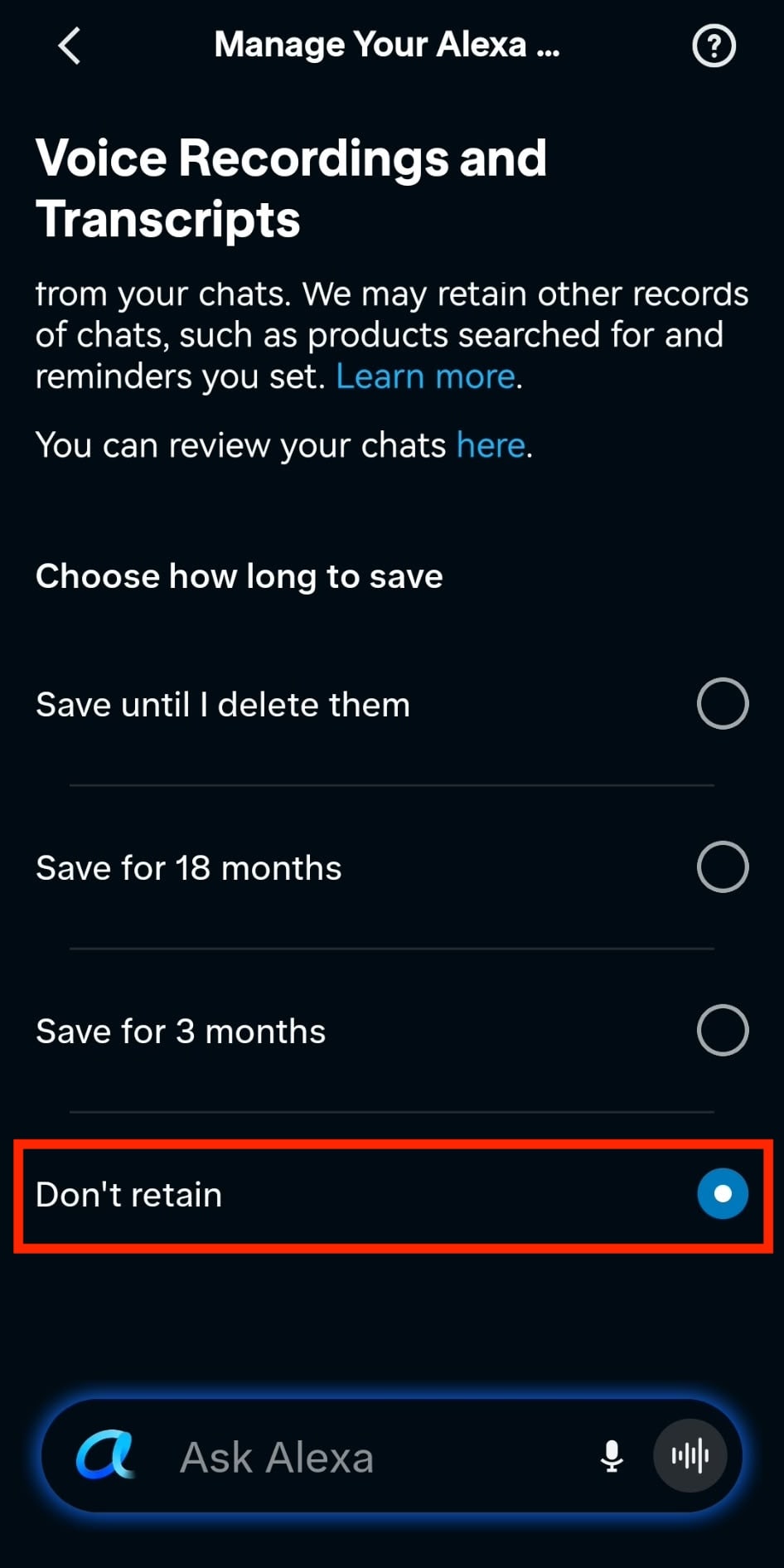
- Ses Kayıtları ve Transkriptler bölümüne gidin ve Ne kadar süre saklanacağını seçin altında Saklama seçeneğini belirleyin.
- Akıllı ev aygıtı geçmişi bölümüne gidin ve Üçüncü Taraf Akıllı Ev Aygıtı Geçmişini Sil altında Sil öğesine dokunun. Bunu sık sık yapmanız gerekecek. Ayrıca Ne kadar süre saklanacağını seçin altında en kısa süreyi (Geçmişi 3 ay sakla) seçin.
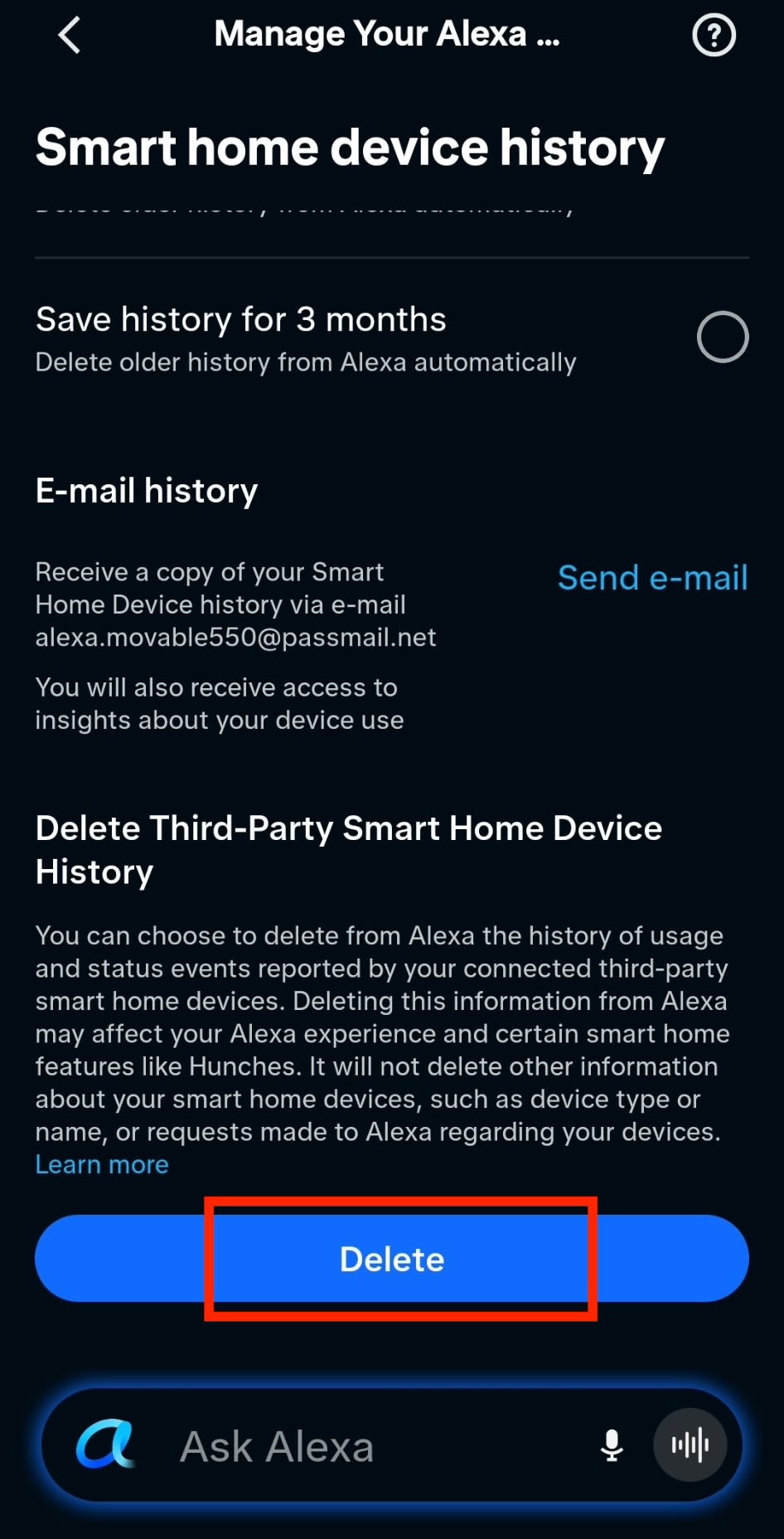
- Algılanan Sesler Geçmişi bölümüne gidin ve en kısa süreyi (Geçmişi 3 ay sakla) seçin.
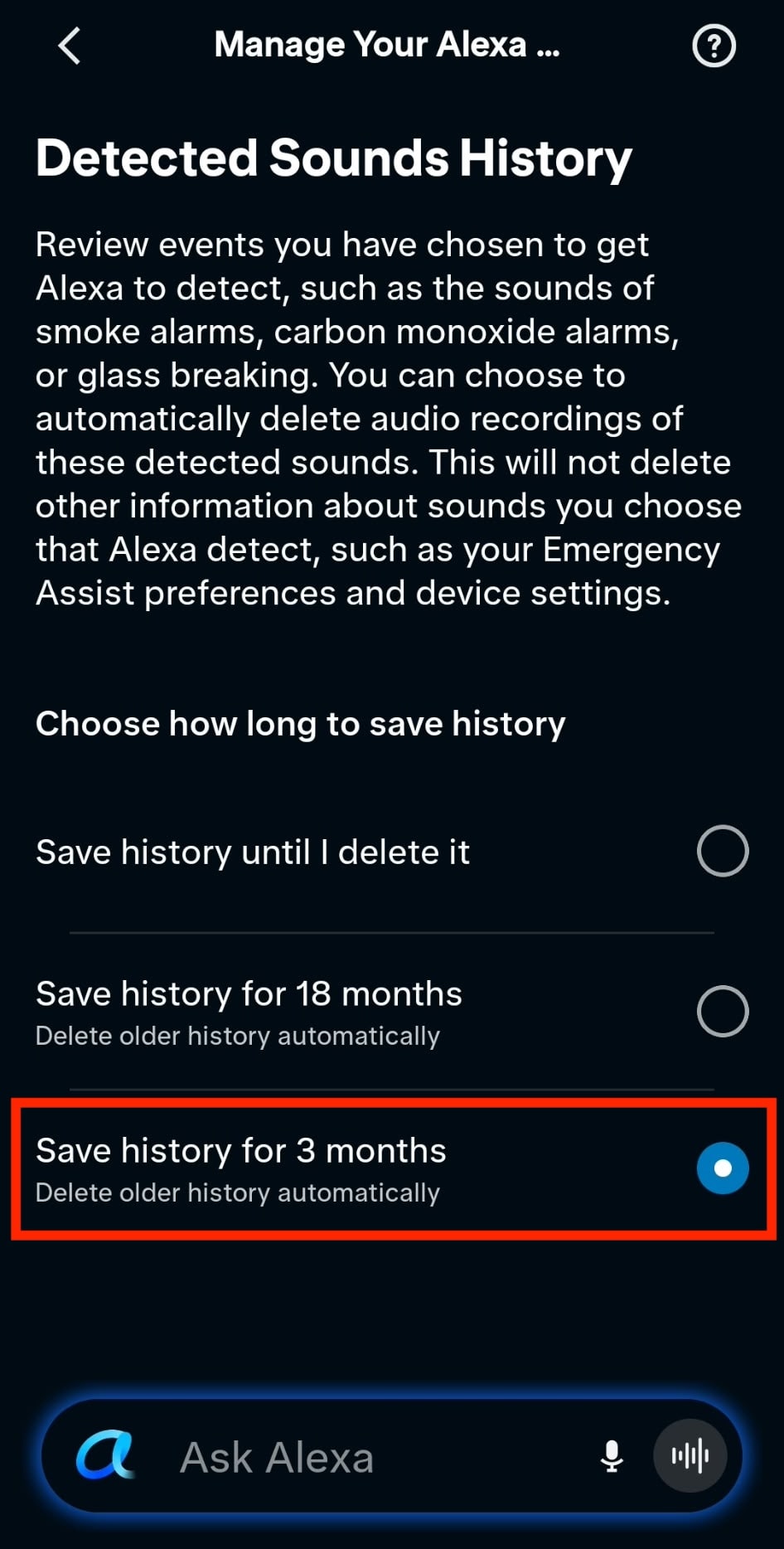
- Alexa’yı iyileştirmeye yardımcı olun bölümüne gidin ve Ses kayıtlarının kullanımı ile Transkriptleri iyileştirmek için Alexa’dan Alexa’ya iletilerin kullanımı seçeneklerini kapatın.
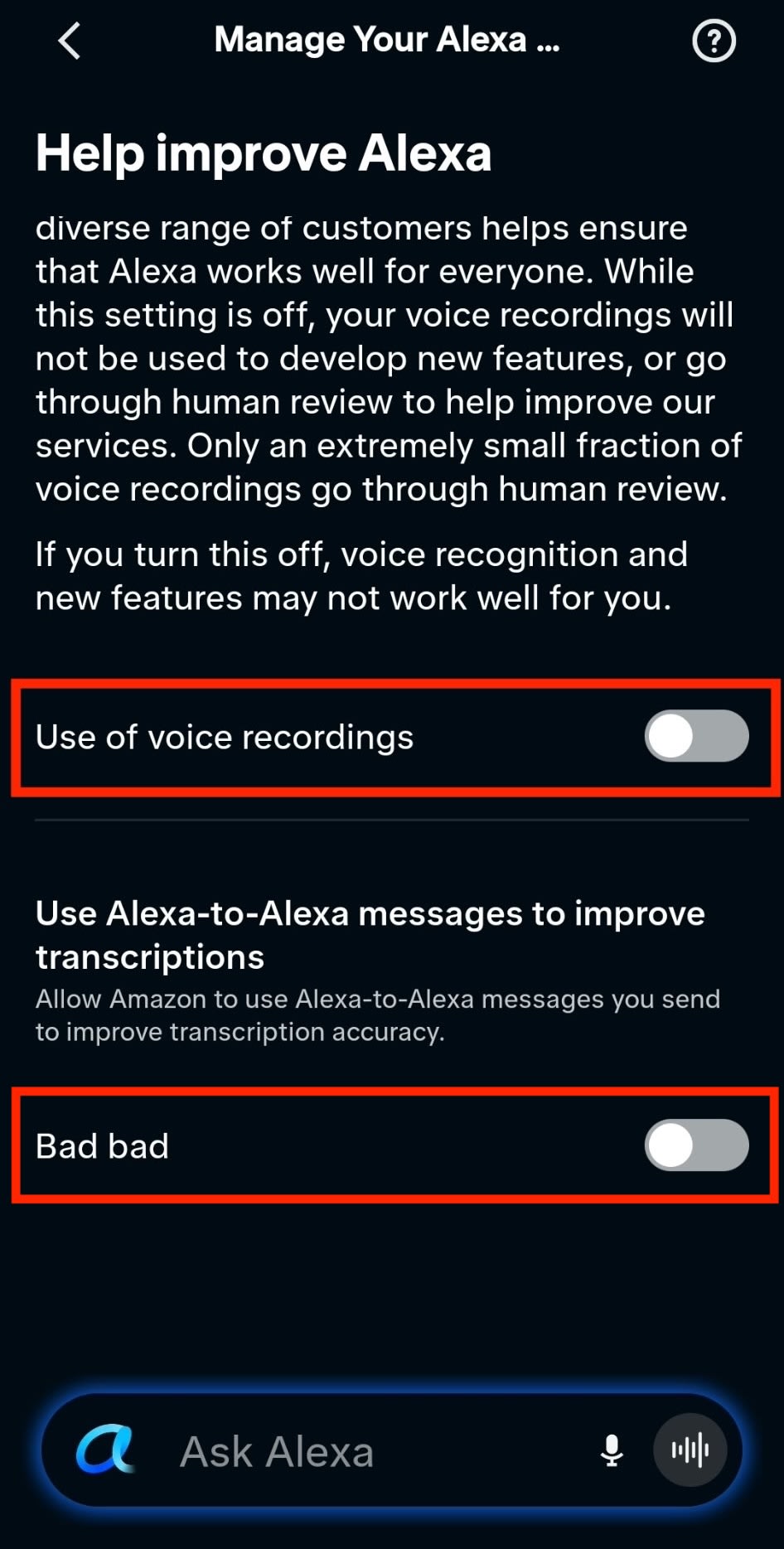
- Alexa ses kayıtlarını, transkriptleri ve yazılı istekleri incelemek ve silmek için Diğer → Alexa Gizliliği → Alexa Geçmişini İncele bölümünü açın.
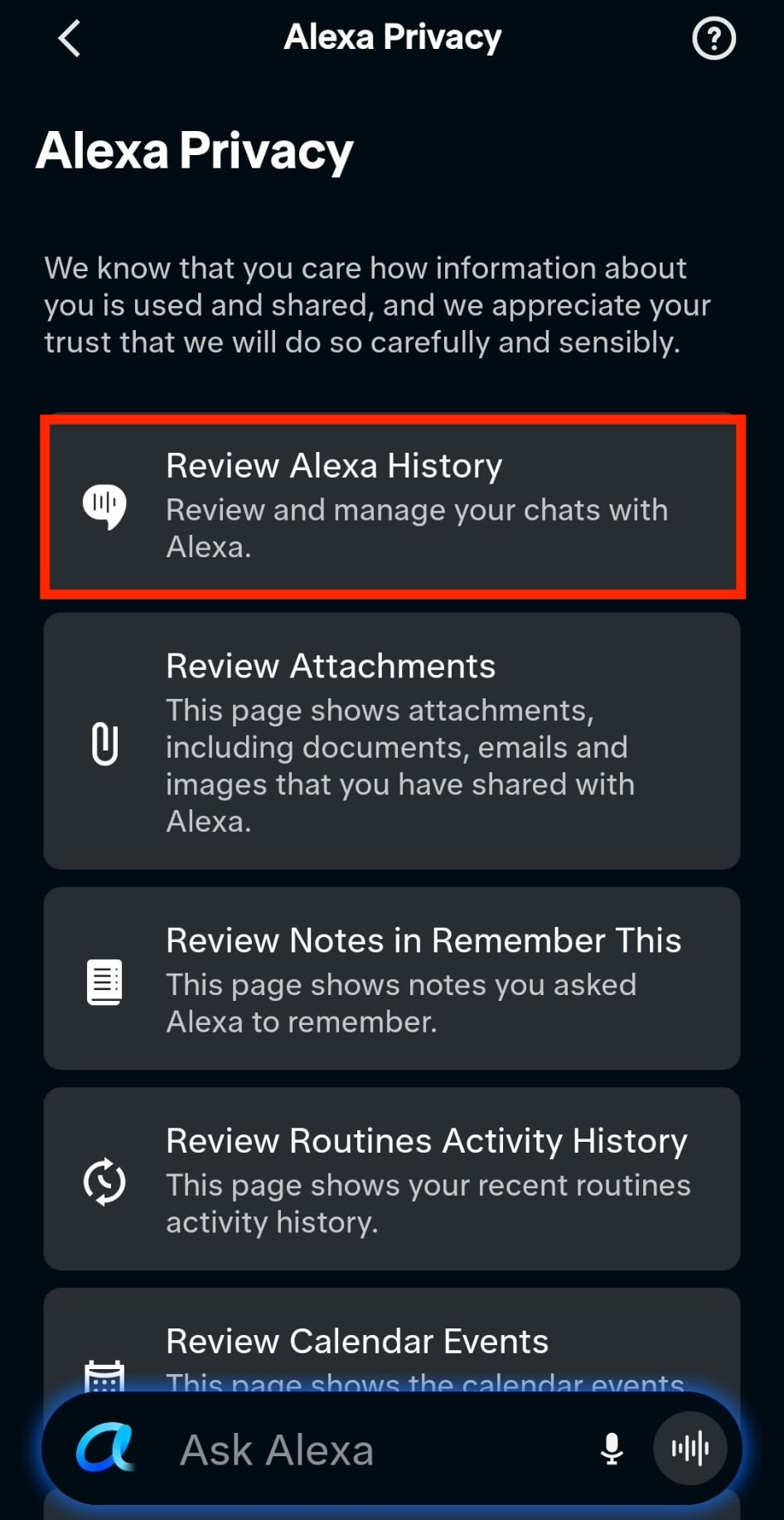
Amazon bu menüleri sık sık değiştiriyor ve ifadeler bölgeye ve uygulama sürümüne göre farklılık gösterebiliyor.
Echo’nun hiç dinlememesini istiyorsanız mikrofonu kapatan düğmesine basın. Mikrofonlar kapalıyken ışık kırmızıya döner.
Alexa ve model eğitimi hakkında bilmeniz gereken diğer şeyler
Alexa her zaman dinliyor mu? Evet, mikrofonu açık olduğu sürece bir Echo, uyandırma sözcüğünü duymak için dinlemeye devam eder. Yapay zeka eğitiminden çıkmak, etkinleştiğinde (yanlışlıkla etkinleştiğinde de) sesi kaydetmesini ve Amazon’a göndermesini engellemez.
Amazon, ses kayıtlarını kaydetmemeyi seçseniz bile söylediklerinizin yazılı bir sürümünü tutar. Transkriptler ve yazılı istekler, daha erken silmediğiniz sürece bir Alexa konuşmasındaki son isteğinizden sonra 30 gün boyunca kalır(yeni pencere).
Verilerinizi silmek geçmişteki eğitimi geri almaz. Amazon, verilerinizle hâlihazırda eğitilmiş modelleri kullanmaya devam edebilir.
Amazon çalışanları kayıtlarınızı duyabiliyor mu? Evet. Amazon, “ses kayıtlarının yalnızca çok küçük bir kısmının insan incelemesinden geçtiğini” söylüyor. Ancak 2019’da Bloomberg(yeni pencere), her incelemecinin dokuz saatlik bir vardiyada yaklaşık 1.000 klip ele aldığını ve bazen isimler ve banka bilgileri duyduğunu bildirdi. Ses kayıtlarının kullanımı ayarını kapatmak (Alexa’yı iyileştirmeye yardımcı olun bölümünde) da kayıtlarınızı insan incelemesinden çıkarır.
Twitch: Yayın akışınız Amazon’un eğitim malzemesi haline gelebilir
Twitch, içerik üreticilerinin canlı yayın yaptığı, izleyicilerin izleyip sohbet ettiği Amazon’un canlı yayın platformudur. İnsanlar ilgi alanlarını paylaşmak, sevdikleri bir yayıncıyı takip etmek veya bir toplulukla vakit geçirmek için buraya gelir.
Kullanıcıların içeriklerinin Amazon yapay zeka eğitimi için kullanılabilir hale getirilmesi kararı, rıza konusunda ve bu içeriğin nasıl kullanılacağına kimin karar vereceği konusunda tepkilere yol açtı.
Amazon yapay zeka eğitimi için hangi Twitch içerikleri uygun?
Twitch’in yapay zeka eğitimi SSS(yeni pencere) sayfasında, Amazon’un üretken yapay zeka eğitimi için uygun olan kanal içerikleri listeleniyor.
| İçerik türü | Amazon’un yapay zeka eğitimi için kullanabilecekleri |
|---|---|
| Video | Canlı yayın akışları, kaydedilmiş yayınlar, klipler ve öne çıkanlar |
| Ses | Konuşmalar dahil olmak üzere yayın akışlarından gelen ses |
| Sohbet | İzleyicilerin yayın akışı sırasında gönderdiği iletiler |
| Kanal içeriği | Bir kanaldaki görseller ve metinler |
Twitch sizi varsayılan olarak Amazon yapay zeka eğitimine dahil ediyor
Ağustos 2026’dan bu yana Twitch’te üretken yapay zeka eğitimi varsayılan olarak açık ve ayarı bulup kendiniz kapatmanız gerekiyor. Bir Twitch canlı yayını sırasında baş ürün sorumlusu Mike Minton nedeni açıkça söyledi: “Katılım isteğe bağlı olsaydı, kimse katılmazdı(yeni pencere).” Minton, Amazon’un eğitim için şimdiye kadar hangi içerikleri kullandığını onaylayamadı ve veri toplamanın ne zaman başladığı belirsizliğini korudu.
Twitch’te yapay zeka eğitimi nasıl kapatılır
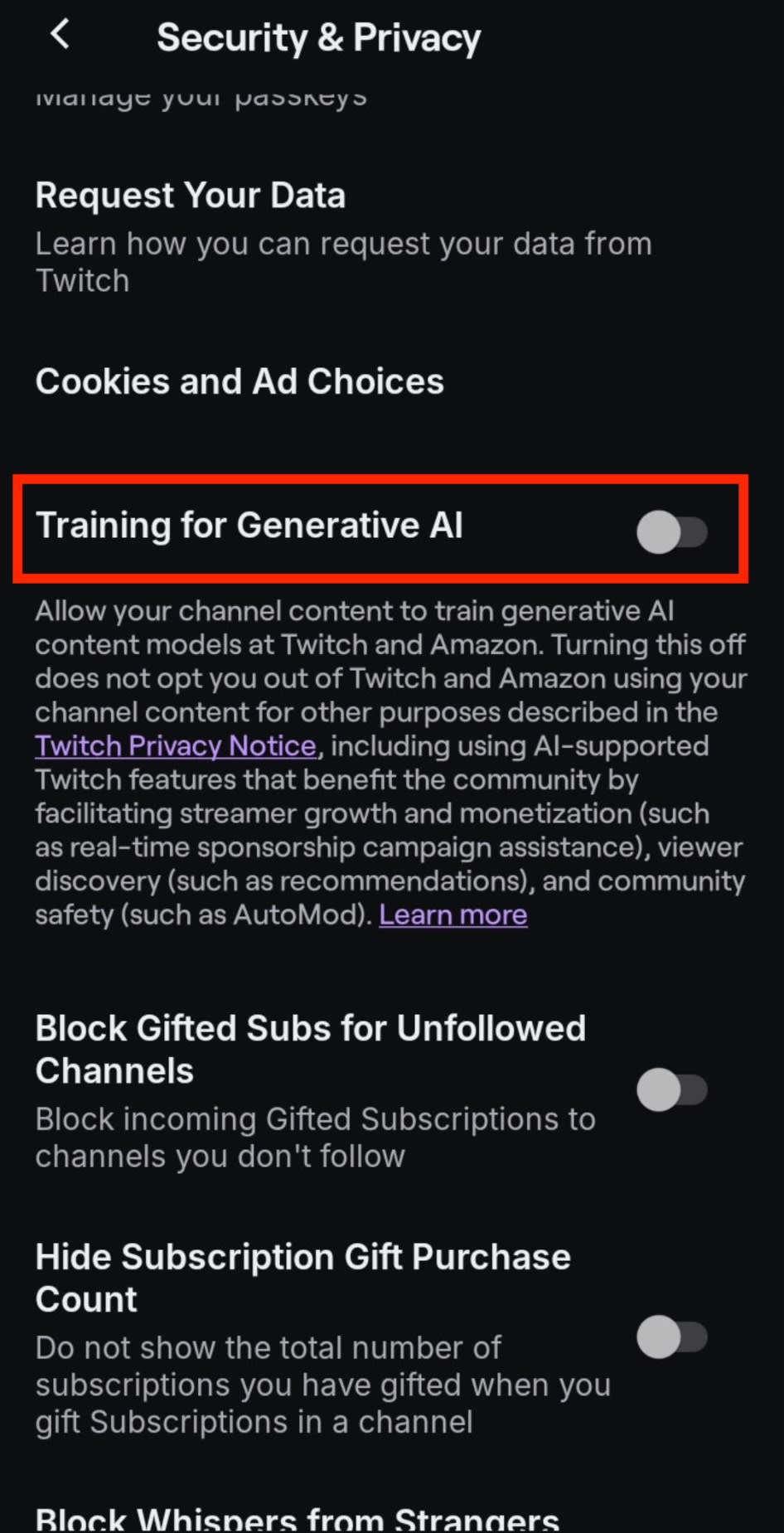
Ayarlar → Güvenlik ve Gizlilik bölümünü açıp Üretken Yapay Zeka Eğitimi seçeneğini kapatın.
Twitch ve model eğitimi hakkında bilmeniz gereken diğer şeyler
Vazgeçme seçiminiz yalnızca kendi Twitch kanalınızı kapsar. Başka bir yayıncının sohbetine gönderdiğiniz iletiler, o yayıncıda yapay zeka eğitimi açıksa Amazon tarafından kullanılmaya devam edebilir.
Vazgeçmek, Twitch’in diğer yapay zeka özelliklerini kapatmaz. Twitch, sohbet denetimi, otomatik altyazılar ve içerik önerileri için verilerinizi kullanmaya(yeni pencere) devam edebilir.
Vazgeçme yalnızca gelecekteki eğitimler için geçerlidir. Amazon’un içeriğinizi kullanarak şimdiye kadar yapmış olabileceği eğitimleri geri almaz.
Ayar kapalı kalmayabilir. Bazı kullanıcılar, daha önce kapattıkları Üretken Yapay Zeka Eğitimi anahtarının yeniden açıldığını bildirdi; bu nedenle ayarı düzenli aralıklarla tekrar kontrol etmekte fayda var.
Ring kameraları: FTC’nin özel video ve algoritma eğitimi davası
Ring, Amazon’un güvenlik kamerası ve görüntülü kapı zili markasıdır. Ring aygıtları, evinizin dışındaki teslimatları ve ziyaretçileri, ayrıca ev içindeki aile rutinlerini ve özel anları kaydedebilir.
FTC, Ring’in özel görüntüleri kullanması nedeniyle harekete geçti; yüz tanıma ise ziyaretçilerin ve yoldan geçenlerin gizliliği konusunda soru işaretleri yarattı.
Amazon yapay zeka eğitimi ve yüz tanıma için hangi Ring verileri kullanılıyor?
Ring kameraları video kaydeder ve Tanıdık Yüzler özelliği(yeni pencere) ziyaretçileri tanımak için yüz verilerini kullanır.
| İçerik türü | Ring bunu nasıl kullanıyor |
|---|---|
| Video kayıtları | FTC’nin, Ring’in algoritmaları eğitmek için izinsiz kullandığını iddia ettiği müşteri görüntüleri |
| Yüz görüntüleri ve profiller | Tanıdık Yüzler’in ziyaretçileri tanımak için kullandığı görüntüler ve yüz verileri |
Özel videolar nedeniyle ödenen 5,8 milyon dolarlık uzlaşma
2023’te FTC, Ring’i(yeni pencere) müşterilerin özel videolarını izinsiz olarak algoritma eğitmek için kullanmakla suçladı. Çalışanlar ve yükleniciler görüntülere geniş ölçüde erişebiliyordu ve kullanıcılara bu görüntülerin nasıl kullanılacağı açıkça anlatılmamıştı. Kurum, Ring’in ürün geliştirmeyle ilgili bilgileri kullanım koşullarına ve gizlilik ilkesine gizlediğini söyledi.
FTC’ye göre zayıf güvenlik, müşterileri dışarıdan gelen kişilere de maruz bıraktı; bilgisayar korsanları yaklaşık 55.000 ABD’li müşterinin hesabına erişebildi ve bazı kameraların hoparlörlerini kullanarak insanları rahatsız etti. Ring, tüketicilere geri ödeme yapmak için 5,8 milyon dolar ödemeyi kabul etti, ancak yasayı ihlal ettiğini reddetti(yeni pencere). Sonuçlanan mahkeme kararı(yeni pencere), Ring’in çalışanlar ve yükleniciler tarafından araştırma amacıyla incelenen Mart 2018 öncesi videoları ve o tarihten önce toplanan yüz verilerini silmesini zorunlu kıldı.
Silme zorunluluğu, bu görüntülerden geliştirilen modelleri ve algoritmaları da kapsıyordu. Ancak Ring, silinmesini teknik olarak mümkün görmediği verileri, üst düzey yöneticisi FTC’ye yeminli bir açıklama sunması koşuluyla elinde tutabilirdi.
Ring’in yüz tanıması, hiç kamera satın almamış kişileri de etkiliyor
Ring’in Tanıdık Yüzler özelliği(yeni pencere), kamera sahiplerinin yüz profillerine isim eklemesini sağlar; böylece bildirimler tanıdıkları kişileri tanımlar. Özellik varsayılan olarak kapalıdır ve yalnızca hesap sahibi etkinleştirebilir veya profilleri yönetebilir. Bazı bölgelerde biyometrik verilerle ilgili yerel mevzuat nedeniyle kullanılamıyor.
Taranan kişilerin hiçbir söz hakkı yok. Senatör Ed Markey, Amazon’un CEO’suna yazdığı Şubat 2026 tarihli mektupta(yeni pencere), bu özelliğin halkı “yüz taramasına rıza gösterme hakkından” yoksun bıraktığını ve silme talebinde bulunan herkesin “ziyaret ettiği her ev için” her kamera sahibine ayrı ayrı başvurmak zorunda olduğunu söyledi. Markey, Amazon’a özelliği “derhal durdurması” çağrısında bulundu.
Ring yüz tanıma nasıl kapatılır
- Ring uygulamasında Menü ☰ → Pro Özellikler bölümünü açın.
- Tanıdık Yüzler altında Kişileri Yönet seçeneğine dokunun.
- Kitaplığın sağ üst köşesindeki dişli simgesi ⚙‘ne dokunun.
- Her kamera için Tanıdık Yüzler özelliğini kapatın.
Kaydedilmiş profilleri silmek için Pro Özellikler → Tanıdık Yüzler → Kişileri Yönet bölümünü açın. Bir profil seçip Sil simgesine dokunun.
Not: Kameralarınızı konumlandırırken ziyaretçileri ve komşularınızı göz önünde bulundurun ve yerel kuralları kontrol edin. Örneğin, İspanya gizlilik düzenleyicisinin rehberi(yeni pencere), ev güvenlik kameralarının halka açık sokakları veya komşu mülkleri görüntülememesi gerektiğini belirtiyor.
Ring kameraları ve model eğitimi hakkında bilmeniz gereken diğer şeyler
Yüz uyarılarını kapatmak yüz tanımayı kapatmaz. Ring yine de kişileri tanımlar(yeni pencere) ve adlarını Etkinlik Geçmişi ile Zaman Çizelgesi’nde gösterir.
Ring’deki ayarlarınız yalnızca kendi kameralarınız için geçerlidir. Başka birinin kamerası sizin için bir yüz profili oluşturduysa, o hesap sahibinden bunu kaldırmasını istemeniz gerekir.
Ring’i görüntülerinizden uzak tutmak, bazı özelliklerden vazgeçmek anlamına gelir. Ring’in kayıtlarınıza erişmesini önlemek için uçtan uca şifrelemeyi açabilirsiniz, ancak bu kameralarda Tanıdık Yüzler, Video Arama, Akıllı Uyarılar ve videolara Paylaşılan Kullanıcı erişimi gibi özellikleri kaybedersiniz. Ring’in yeni TAKE şifrelemesi, Ring’in sistemlerinin videolarınızın şifresini geçici olarak çözüp işlemesine(yeni pencere) izin verip anahtarları 24 saat içinde silerek bu özellikleri korur. Uçtan uca şifrelemede ise hiçbir Ring hizmeti bu videolara erişemez.
Video görüntülerinin yapay zeka eğitimi için kullanılıp kullanılamayacağı belirsiz. Amazon, Senatör Markey’e(yeni pencere), Ring’in beta testçiler gibi açıkça onay veren kişiler dışında müşterilerin biyometrik verilerini modellerini eğitmek için kullanmadığını söyledi. Ancak mektup videolara değinmiyor. Ring’in ABD’deki üretken yapay zeka açıklaması, eğitim verilerinin “kişisel bilgiler veya toplu tüketici bilgileri” içerebileceğini belirtiyor, ancak bunun müşterilerin kameralarından alınan görüntüleri kapsayıp kapsamadığını söylemiyor.
Ring’in kişileri takip etmeyi planlayıp planlamadığı belirsiz. Ring, 2025’te kayıp evcil hayvanları bulmak için komşuların kamera görüntülerini taramaya yönelik Search Party’yi başlattı. CEO Jamie Siminoff, personele gönderdiği ve 404 Media’nın haberleştirdiği(yeni pencere) e-postada, bunu “önce köpekleri bulmak için” kurulan bir “temel” olarak nitelendirdi ve Ring’in “mahallelerdeki suçu sıfırlayabileceğini” yazdı; bu da Ring’in bir gün insanları bulabilecek duruma gelebileceğini gösteriyor. Ring, 404 Media’ya Search Party’nin “insan biyometrisini işlemediğini veya kişileri takip etmediğini” söyledi, ancak gelecekte bu amaçla kullanılma olasılığını dışlamadı.
Fire TV: İzleme verileri profilleme için malzeme haline geliyor
Fire TV, Amazon’un TV platformudur; yayın akışı aygıtları aracılığıyla sunulur ve bazı televizyonlara dahili olarak yerleştirilmiştir. Bir film izlemek, bir dizi takip etmek veya yayın akışı uygulamaları arasında geçiş yapmak için kullanabilirsiniz.
Amazon, Fire TV üzerinden hangi verileri topluyor?
Amazon’un Fire TV gizlilik SSS(yeni pencere) sayfası, gizlilik kontrolleri kapsamındaki izleme ve aygıt verilerini listeler.
| Veri türü | Neler bulunuyor |
|---|---|
| Aygıt kullanım verileri | Ana ekranda gezinme, aygıt ayarlarını seçme |
| Uygulama kullanım verileri | Hangi üçüncü taraf uygulamaları ne kadar süre kullandığınız |
| Anten üzerinden izleme verileri | Fire TV’li bir televizyona bağlantı kurulan anten üzerinden neler izlediğiniz |
| İlgi alanına dayalı reklamlar | Uygulamaların reklam profilleri oluşturmak için reklam kimliğinizi kullanıp kullanamayacağı |
Otomatik içerik tanıma (ACR) ekranda ne olduğunu nasıl izler
Akıllı TV’nizin sizi gözetlediğinden endişeleniyorsanız, bunun arkasındaki teknoloji genellikle ACR’dir. ACR, akıllı TV’lerin ne izlediğinizi takip etmesini sağlar. Teknoloji, ekrandaki içeriği örnekler ve izlediğiniz programları, filmleri veya diğer materyalleri tanımlamak için bir referans kütüphanesiyle karşılaştırır.
Birleşik Krallık ve ABD’de Samsung ve LG TV’lerini inceleyen araştırmacılar(yeni pencere), bu TV’lerin bilgisayar veya oyun konsolu gibi HDMI ile bağlantı kurulan aygıtlardan içerik görüntülerken ACR verilerini toplamaya ve göndermeye devam ettiğini ortaya koydu. Samsung’un dokümantasyonu TV’lerinin her 500 milisaniyede bir kare yakaladığını, LG’ninki ise her 10 milisaniyede bir yakaladığını belirtiyor. TV’nin ayarlarından ACR’yi devre dışı bırakmak trafiği tamamen durdurdu.
Akıllı TV’lerde kamera var mı?
Belirli Samsung modelleri(yeni pencere) dahil olmak üzere bazı akıllı TV’lerde dahili kamera bulunur. Televizyonunuzun özelliklerine bakarak sizinkinde kamera olup olmadığını ve nasıl kapatılacağını öğrenin.
Ancak ACR’nin kameraya ihtiyaç duymadan çalıştığını unutmayın; bu nedenle merceği kapatmak TV’nizin ne izlediğinizi takip etmesini engellemez.
Fire TV izleme profillerine ilişkin dava
İki Fire TV sahibi, Amazon’u bilgilendirilmiş onay olmadan ACR aracılığıyla izleme verileri toplamak ve bunları hedefli reklamcılık için makine öğrenimiyle analiz etmekle suçladı. Mayıs 2026 tarihli toplu dava başvuruları(yeni pencere), Amazon’un kendi Fire TV’lerini ve diğer üreticilerin modellerini kapsıyor. Şikâyette ACR’nin HDMI ile bağlantı kurulan dizüstü bilgisayarlar ve oyun konsolları gibi aygıtlardan da içerik yakaladığı öne sürülüyor.
Sahipler, Amazon’un izleme verilerini Amazon.com’daki alışveriş etkinliğiyle birleştirerek ne izlediğinizi ne satın aldığınızla ilişkilendiren ayrıntılı reklam profilleri oluşturduğunu iddia ediyor. Mahkemeden açık bir bilgilendirme yapılmasını, ACR’nin isteğe bağlı hale getirilmesini ve toplanan verilerin silinmesini talep ediyorlar.
Fire TV’nin veri paylaşımı ve hedefli reklamcılığı nasıl sınırlandırılır
Ayarlar → Tercihler → Gizlilik Ayarları bölümünü açın ve şunları kapatın:
- Aygıt Kullanım Verileri
- Uygulama Kullanım Verilerini Topla
- İlgi Alanına Dayalı Reklamlar
- Anten Üzerinden İzleme Verileri (mevcut olduğunda)
Fire TV ve model eğitimi hakkında bilmeniz gereken diğer şeyler
Aygıt Kullanım Verilerini kapatmak tüm veri toplamayı durdurmaz. Bu ayar yalnızca Amazon’un aygıt verilerini pazarlama ve ürün geliştirme için kullanmasını engeller. Amazon, size ilgi alanına dayalı reklamlar göstermek için başka verileri kullanmaya devam edebilir.
İlgi Alanına Dayalı Reklamları kapatmak reklamları değil, hedeflemeyi sınırlar. Bu kontrol, uygulamaların profilleme ve hedefli reklamcılık için aygıtınızın reklam kimliğini kullanmasını engeller, ancak yine de reklam görürsünüz (kişiselleştirilmemiş).
Prime Video, Aygıt Kullanım Verileri kapsamına girmez. Amazon, bu ayarı kapatmanın Prime Video gibi Amazon hizmetlerini kullanımınızdan elde edilen verileri işleme biçimini etkilemediğini belirterek sizi her hizmetin kendi ayarlarına yönlendiriyor.
Yaptığınız değişiklikler yalnızca değişikliği yaptığınız Fire TV aygıtında geçerli olur. Bunları diğer tüm Fire TV aygıtlarında yinelemeniz gerekir.
Fire TV kullanımının yapay zekâ modellerinin eğitilmesine yardımcı olup olmadığı belirsiz. SSS bölümü, Fire TV kullanım verilerinin “tüm müşterilerimiz için ürün ve özellikler geliştirmeye ve iyileştirmeye” yardımcı olduğunu belirtiyor ancak bunun yapay zekâ modellerinin eğitimini kapsayıp kapsamadığını açıklamıyor.
Amazon’un çalışma alanları: Otomasyon, eğitim ve gözetim
Amazon’un çalışma alanları arasında ofisler, depolar, teslimat araçları ve bunları izlemek için kullanılan sistemler yer alır. Kameralar, tarayıcılar ve araç sistemleri, ürünlerin depolanmasından teslimatların sürülmesine kadar rutin işleri kaydeder.
İş yerinde toplanan veriler, otomasyon modellerini eğitmek, üretkenliği takip etmek veya bir tedarikçinin makine öğrenimi sistemlerini geliştirmek için kullanılabilir.
Çalışanlar Amazon yapay zekâ eğitimi için hangi verileri hazırlıyor?
Amazon’un ML Veri Operasyonları ekibi(yeni pencere) için yayımladığı iş ilanları, çalışanların Amazon Robotics ve Fulfillment Technologies tarafından kullanılan modeller için video, görsel ve metin etiketlediğini açıklıyor.
| İçerik türü | İşin kapsadıkları |
|---|---|
| Video | Nesneleri tanımlama ve hareketlerini takip etme |
| Görseller | Nesneleri etiketleme ve kapladıkları alanları işaretleme |
| Yazı | Yazılı materyali etiketleme ve değerlendirme |
İnsanlar vardiya başına yüzlerce depo videosunu inceliyor
Amazon’un GO-AI iş tanımı(yeni pencere), personelin vardiya başına birkaç yüz depo videosu izlediğini ve bu videolara günde yaklaşık yedi saat ayırdığını belirtiyor. Klipler genellikle 15–20 saniye sürüyor ve ürünlerin depolama alanına yerleştirilmesini gösteriyor. İnceleyiciler ürünün konumunu doğruluyor ve işaretliyor; Amazon ise denetlenen videoların “otomatik sürecin etkinliğini” artırdığını söylüyor.
Amazon, çalışan verilerini aşırı sakladığı için para cezasına çarptırıldı
Amazon France Logistique, çalışanların üretkenliği ve iş kalitesine ilişkin ayrıntılı tarayıcı verilerini 31 gün boyunca sakladı. Fransa’nın Conseil d’État’sı, Aralık 2025 tarihli kararında(yeni pencere), Amazon’un bu kadar çok bilgiyi bu kadar uzun süre saklamayı gerekçelendirmediği yönündeki tespiti onayladı. Ayrıca Amazon’un çalışanları veri toplama konusunda bilgilendirmediği ve gözetim kamerası sistemlerini yeterince güvence altına almadığı yönündeki tespitleri de onayladı.
Mahkeme, cezayı 32 milyon €’dan 15 milyon €’ya düşürdü. Ayrıca Amazon’un, 10 dakikadan fazla hareketsiz kalan herkesi işaretleyen bir ölçüt de dahil olmak üzere, tartışmalı üç ölçütle çalışanları yasal olarak takip edebileceğine karar verdi.
Araç görüntüleri bir kamera tedarikçisi için eğitim verisi haline gelebilir
Amazon’un Relay Safety Rewards programı(yeni pencere), Amazon yükünü taşıyan bağımsız nakliye şirketlerine, Netradyne dahil olmak üzere çeşitli tedarikçilerden kamera kurmaları için ödeme yapıyor. Netradyne, ticari filolar için yapay zeka destekli pano kameraları üretiyor. Amazon, yalnızca bir kamera çarpışma algıladığında durumdan haberdar olduğunu söylüyor.
Ancak Netradyne’nin gizlilik ilkesi(yeni pencere) uyarınca şirket, kendi makine öğrenimi modellerini eğitmek için kaydedilen görüntülerin küçük bir bölümünü saklayabiliyor; şirkete göre bu oran %0,1’in altında. Geri bildirim veya bir denetim, aygıtın hata yaptığını gösterdiğinde görüntülerin seçilme olasılığı artıyor. Sürücüler, yürürlükteki yasalara tabi olarak Netradyne’den kendi görüntüleri üzerinde eğitim yapmayı durdurmasını isteyebilir, ancak ilke, Amazon ile ilgili görüntülerin nasıl ele alındığını belirtmiyor.
Amazon çalışanları veri toplama hakkında neleri kontrol edebilir
Bu durumdaysanız, işvereninizden veya sözleşmeli çalıştığınız şirketten işyeri gizlilik bildirimini ve kamera ilkesini isteyin. Dört sorunun yanıtını arayın:
- Hakkınızda hangi bilgiler toplanıyor?
- Dış tedarikçiler dahil olmak üzere bu bilgileri kim alıyor?
- Yapay zeka eğitimi için yeniden kullanılabilir mi ve ne kadar süre saklanıyor?
- Bunlara erişmek, silinmesini istemek veya kullanımına itiraz etmek için hangi seçenekleriniz var? Bu haklar nerede yaşadığınıza bağlıdır.
Netradyne kameralarıyla donatılmış bir aracı kullanıyorsanız, şirketin ilkesine göre, yürürlükteki yasalara tabi olarak şirketten modellerini sizin görüntüleriniz üzerinde eğitmeyi durdurmasını isteyebilirsiniz. privacy@netradyne.com veya veri koruma görevlisi dpo@netradyne.com ile iletişime geçin.
Amazon iş yerleri ve model eğitimi hakkında bilmeniz gereken diğer şeyler
Netradyne’de eğitimden vazgeçme yalnızca yeni toplanan görüntüleri kapsıyor. Eğitim için hâlihazırda seçilmiş görüntüler kullanılmaya devam edebilir.
Eğitimden vazgeçmek, iş yeri izlemesini kapatmaz. Kameralar yine de görüntü kaydedebilir ve güvenlik için bunları analiz edebilir.
Netradyne, eğitim verilerini ne kadar süre tuttuğunu söylemiyor. İlkesinde herhangi bir veri tutma süresi yok; yalnızca kaydedilen videonun ortalama %0,1’inden azını tuttuğu belirtiliyor.
İşvereniniz talebinizi görebilir. Netradyne, sürücü taleplerini kameralarını kullanan işverene veya yükleniciye iletebileceğini söylüyor.
Gizlilik hizmetin bir parçası olmalı
“İsteğe bağlı katılım olsaydı, kimse katılmazdı.” Twitch’in açıklaması, beklenen bir reddi etrafından dolaşılması gereken bir sorun olarak görüyor. İnsanlar önce veri noktası haline geliyor, söz hakkını ise ancak kontrolleri bulabilirlerse sonradan elde ediyor.
Burada ele alınan müdahaleler, Amazon’un ürünleri ve hizmetleri genelindeki veri toplama ve izleme faaliyetlerinin yalnızca küçük bir kısmına değiniyor. Amazon’dan tamamen kaçınmak bile zor: bulut platformu AWS’de bir kesinti yaşandığında, internetin yarısı da onunla birlikte çöküyor.
Herkesin her ilkeyi okumasını ve her ayarı düzenli olarak kontrol etmesini beklemek gerçekçi değil; özellikle de Amazon pek çok şirketten yalnızca biri olduğunda. Aynı yük, kişiselleştirme, veri toplama ve yapay zeka eğitiminin varsayılan olarak açık olduğu ve gizliliğin vazgeçmeyi gerektirdiği Google, sosyal platformlar, uygulamalar ve diğer hizmetlerde insanların peşini bırakmıyor.
Amazon ve diğer büyük teknoloji şirketleri dikkatsizliğimizden faydalanıyor; biz de kolaylığı önceliklendirip yapay zeka gizlilik endişelerini başka bir güne bıraktığımızda onlara yardım ediyoruz. Müdahalelerden hoşlanmadığımız hâlde sürmesine katkı sağlayabiliyoruz.
Amazon’un bu takasa değmediğine karar verdiyseniz, Amazon hesabınızı silebilirsiniz. Bu işlem kalıcıdır: Kindle kitapları, Prime Video, Audible ve Alexa dahil olmak üzere hesaba bağlı satın alımlara ve hizmetlere erişiminizi kaybedersiniz, bu yüzden saklamak istediklerinizi önce indirin. Amazon, yasal ve vergisel nedenlerle sipariş geçmişiniz gibi bazı verileri yine de tutar ve hesabınızı silmeniz, verilerinizle hâlihazırda yapılmış bir eğitimi geri almaz.
Amazon, insanların bilgileriyle ne yapmayı planladığını açıklama ve bu bilgileri seçtikleri hizmetin ötesinde kullanmadan önce izin isteme sorumluluğunu hâlâ taşıyor. Bir şirket insanların hayır demesini bekliyorsa, onlar adına karar vermek yerine bu yanıta saygı göstermelidir.
Proton’un yapay zeka ve gizlilik konusundaki kapsamlı rehberinde nelerin tehlikede olduğunu daha ayrıntılı öğrenin.
Gizlilik, doğru anahtarı bulmaya bağlı olmamalı. Proton’u, gizliliğin varsayılan olduğu daha iyi bir internet kurmak için kurduk ve hizmetlerimizi verilerinizin baştan sömürülebilir olmaması için tasarladık. Buna yapay zeka da dahil. Güvenli yapay zeka asistanımız Lumo, yazışmaları şifreler; böylece biz dahil hiç kimse dosyalarınıza ve sohbetlerinize erişemez ve bunları yapay zeka eğitimi için kullanamaz.