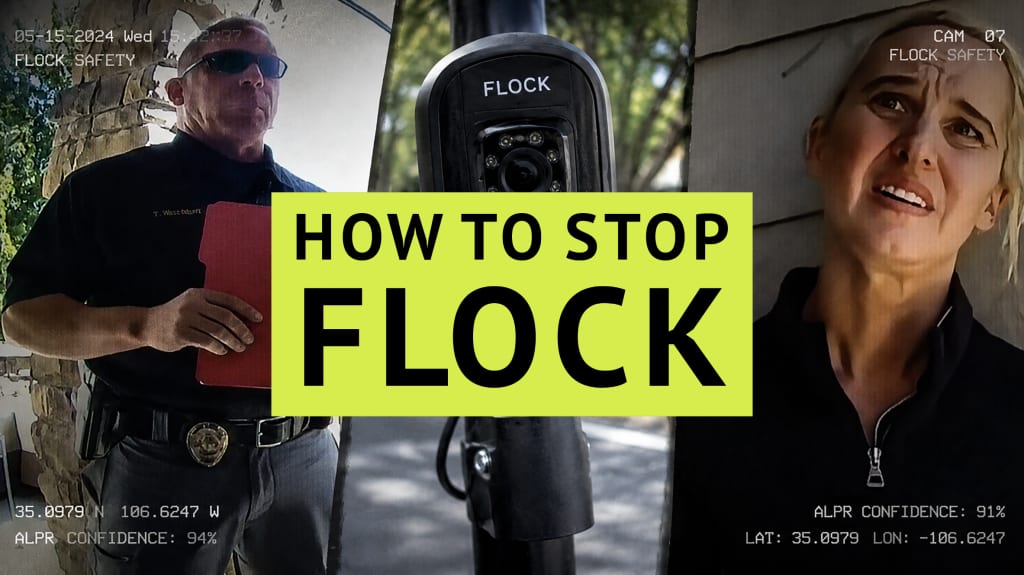
Flock Safety-camera’s verschijnen steeds vaker op wegen in de VS. Ze zien er misschien uit als gewone verkeerscamera’s, maar ze kunnen veel meer dan alleen voorbijrijdende voertuigen registreren.
Het bedrijf geeft aan dat zijn technologie gemeenschappen een extra middel biedt om misdrijven op te lossen(nieuw venster), terwijl lokale autoriteiten de controle behouden over het gebruik van hun gegevens. Critici stellen dat de grootte van het netwerk een vorm van surveillance creëert(nieuw venster) die voor gewone mensen moeilijk te begrijpen of te vermijden is.
Hoe werken deze camera’s precies, welke informatie verzamelen ze en wat kunt u doen als u zich hier zorgen over maakt?
Spring naar:
- Wat zijn Flock-camera’s?
- Waarom roepen Flock-camera’s privacyzorgen op?
- Kúnnen Flock-camera’s daadwerkelijk helpen bij het oplossen van criminaliteit?
- Hoe veilig zijn Flock-camera’s?
- Kunt u Flock-camera’s vermijden?
- Hoe kunt u Flock-camera’s vinden?
- Kunnen gemeenschappen zich verzetten tegen Flock?
- Wie beheert de surveillancefuncties van Flock?
- Wat kunt u doen aan Flock-camera’s?
Wat zijn Flock-camera’s?
Flock Safety, opgericht in 2017, is gegroeid van een startup tot een bedrijf dat meer dan 80.000 camera’s beheert in 49 staten. Het bedrijf uit de regio Atlanta geeft aan dat zijn systemen elke maand 20 miljard kentekens lezen in meer dan 5.000 gemeenschappen en bij 4.800 politiekorpsen.
Geautomatiseerde kentekenlezersystemen (ALPR) zijn niet nieuw, en Flock is niet het enige bedrijf dat ze maakt. Rechtshandhavingsinstanties gebruiken vergelijkbare systemen al jaren. Wat dit netwerk onderscheidt, is de schaal ervan en de mogelijkheid om naar informatie te zoeken op verschillende locaties.
Wanneer een voertuig een van deze camera’s passeert, kan het systeem het kenteken vastleggen(nieuw venster), samen met gegevens zoals de kleur, het merk, het model en de rijrichting. Gemachtigde gebruikers kunnen vervolgens in die informatie zoeken tijdens het onderzoeken van een misdrijf.
Dat kan nuttig zijn wanneer de politie op zoek is naar een specifiek voertuig. Als een auto die in verband staat met een misdrijf een camera passeert, kunnen onderzoekers die informatie mogelijk gebruiken om vast te stellen waar deze is geweest of waar hij naartoe gaat.
Dezelfde mogelijkheid roept echter een privacyvraag op. Een voertuig hoeft niet in verband te staan met een misdrijf om te worden opgenomen(nieuw venster). Louter rijden op een weg die door een van deze camera’s wordt bewaakt, kan al een registratie van die rit opleveren.
Naarmate meer camera’s worden verbonden, kunnen die individuele registraties een veel breder beeld geven van waar voertuigen rijden.

Waarom roepen Flock-camera’s privacyzorgen op?
De privacyzorg begint bij de schaal.
Een enkele camera die op een bepaald moment een auto registreert, is één ding. Een netwerk van camera’s dat voertuigen in een hele gemeenschap kan registreren, is iets heel anders. Wanneer in die camera’s op meerdere locaties kan worden gezocht, kunnen ze mogelijk patronen onthullen van waar en wanneer een voertuig is geweest.
Dat creëert de mogelijkheid dat onschuldige mensen onderdeel worden van een strafrechtelijk onderzoek zonder dat ze het doorhebben.
In Columbine Valley, Colorado, werd bijvoorbeeld een vrouw beschuldigd van het stelen van een pakket(nieuw venster) op basis van camerabeelden, hoewel ze de diefstal niet had gepleegd. Het incident illustreert een van de problemen van het vertrouwen op geautomatiseerde systemen als opsporingsmiddel: een camera kan een aanwijzing opleveren, maar een aanwijzing is niet per se bewijs.
Er zijn ook vragen over wie toegang heeft tot de door Flock verzamelde informatie.
Politiekorpsen kunnen het systeem gebruiken om misdrijven te onderzoeken, maar het delen van gegevens tussen verschillende instanties kan de grenzen minder duidelijk maken. Mountain View, Californië, maakte bekend te hebben ontdekt dat federale instanties zonder medeweten van de stad toegang hadden gekregen tot gegevens via hun Flock-systeem(nieuw venster). De stad heeft vervolgens de camera’s uitgeschakeld.
Garrett Langley, CEO van Flock, bestreed beweringen dat klanten de controle over hun gegevens waren kwijtgeraakt. Hij zei dat lokale klanten de instellingen beheren die bepalen hoe informatie wordt gedeeld, hoewel hij erkende dat de National Lookup-functie van het bedrijf voor sommige klanten te eenvoudig in te schakelen was.
Flock verklaarde later dat het zijn systemen had aangepast in staten waar wetgeving voorkomt dat kentekengegevens de staat verlaten.
Dat roept een bredere vraag op voor gemeenschappen die de technologie gebruiken: hoeveel controle heeft een stad echt als de mogelijkheden, instellingen of afspraken rond toegang van het systeem na verloop van tijd kunnen veranderen?
Kúnnen Flock-camera’s daadwerkelijk helpen bij het oplossen van criminaliteit?
Er is een legitiem argument voor het gebruik van Flock-camera’s.
Het bedrijf zegt dat zijn technologie heeft geholpen bij strafrechtelijke onderzoeken in de hele VS en jaarlijks in honderdduizenden zaken wordt gebruikt. Voorbeelden hiervan zijn onderzoeken naar gestolen voertuigen, vermiste personen en andere misdrijven waarbij het identificeren van een voertuig onderzoekers een nuttige aanwijzing kan geven.
In sommige gevallen kan die informatie een wezenlijk verschil maken. Het vinden van een voertuig dat in verband wordt gebracht met een vermist kind of het identificeren van de bewegingen van een verdachte kan de politie informatie opleveren die ze anders moeilijk zou kunnen verkrijgen.
De vraag is of die individuele successen aantonen dat grootschalige inzet van ALPR-systemen de criminaliteit in het algemeen vermindert. Dat is moeilijker vast te stellen.
Flock heeft onderzoek aangehaald(nieuw venster) waarin wordt gesuggereerd dat de technologie van het bedrijf een functie speelde bij een aanzienlijk deel van de succesvolle strafrechtelijke onderzoeken. Een deel van het onderzoek dat die beweringen ondersteunt, werd echter gefinancierd door Flock. Een academisch onderzoeker die aan de onderzoeken van het bedrijf meewerkte, zei later: “Ik persoonlijk zou de dingen heel anders hebben aangepakt.(nieuw venster)“
Dat betekent niet dat de technologie geen waarde heeft. Het betekent dat beweringen over de effectiviteit ervan met enige terughoudendheid moeten worden bekeken.
Er is een verschil tussen zeggen dat een camera heeft geholpen om een specifiek misdrijf op te lossen en zeggen dat het installeren van duizenden camera’s een gemeenschap veiliger maakt. Het eerste kan worden aangetoond aan de hand van individuele gevallen. Het tweede vereist breder bewijs dat rekening houdt met andere factoren die van invloed zijn op criminaliteit.
Voor inwoners is dat onderscheid van belang bij het beslissen hoeveel surveillance redelijk is in ruil voor mogelijke voordelen.

Hoe veilig zijn Flock-camera’s?
Beveiliging is een ander punt van zorg, omdat Flock-camera’s informatie verzamelen die kan onthullen waar voertuigen zijn geweest.
Onderzoekers hebben kwetsbaarheden aangetoond in de systemen van Flock. In één geval konden beveiligingsonderzoekers binnen enkele seconden toegang krijgen tot bepaalde camera’s(nieuw venster). Flock verklaarde dat het bij de incidenten om een configuratieprobleem ging dat vervolgens is opgelost, en dat vrijwel al hun klanten meervoudige verificatie hebben ingevoerd.
Flock heeft ook beweringen bestreden dat de op politiepalen geïmplementeerde camera’s op dezelfde manier in gevaar zijn gebracht.
Technische beveiliging is echter niet het enige probleem. Een systeem kan worden beschermd tegen aanvallers van buitenaf en toch kwetsbaar zijn voor misbruik door mensen die rechtmatige toegang hebben.
Onderzoek naar de auditlogboeken van Flock bracht voorbeelden aan het licht van medewerkers die toegang zochten tot camera’s op gevoelige locaties(nieuw venster), waaronder een gymfaciliteit voor kinderen. Ook zijn er politieagenten betrapt op het gebruik van kentekenlezersystemen voor persoonlijke doeleinden, zoals het volgen van romantische partners.
Die incidenten illustreren waarom toegangscontroles en auditlogboeken van belang zijn. Een database met gedetailleerde informatie over de verplaatsingen van mensen kan bijzonder gevoelig worden wanneer medewerkers of agenten er zonder legitieme reden in kunnen zoeken.
Zoals een van de eigen argumenten van het bedrijf erkent, kan misbruik door zelfs een klein aantal mensen tot ernstige problemen leiden. Langley zei: “Alles boven de nul is onaanvaardbaar(nieuw venster)“, terwijl hij aanvoerde dat gevallen van misbruik zeldzaam zijn vergeleken met het aantal mensen dat het systeem gebruikt.
De uitdaging is om te bepalen welke waarborgen passend zijn wanneer de gevolgen van misbruik zich veel verder kunnen uitstrekken dan de persoon die het zoeken uitvoert.
Kunt u Flock-camera’s vermijden?
Het vermijden van Flock-camera’s is moeilijk omdat ze in de openbare ruimte actief zijn.
U kunt besluiten een bepaalde app niet te gebruiken, een socialemedia-account te sluiten(nieuw venster) of een bepaald apparaat niet meer bij u te dragen. U kunt niet dezelfde keuze maken voor een camera die langs een openbare weg is geïnstalleerd.
Iemand die de surveillance van Flock wil vermijden, zou moeten weten waar camera’s zich bevinden en zijn route of reis daarop moeten aanpassen. Zelfs dan kan een voldoende groot netwerk een volledige vermijding moeilijk maken.
Eén poging om precies dat te doen hield in dat men probeerde een normale week door te komen en daarbij detectie door Flock-camera’s te vermijden. Het experiment escaleerde van het simpelweg wijzigen van routes tot vermommingen(nieuw venster) en steeds ingewikkelder pogingen om te voorkomen dat de camera’s het voertuig zouden identificeren.
Het punt is niet dat iedereen moet proberen om camera’s langs de weg te ontwijken. Het is dat uitschrijven of afzien moeilijk wordt wanneer surveillance is ingebouwd in de fysieke infrastructuur om u heen.
Dat creëert een aanzienlijk verschil tussen commerciële tracking en openbare surveillance. U kunt mogelijk stoppen met het gebruiken van een dienst die uw online activiteiten volgt. Het vermijden van een camera aan een weg die u moet gebruiken, is veel moeilijker.
Hoe kunt u Flock-camera’s vinden?
Als u wilt weten of er Flock-camera’s actief zijn in uw omgeving, kunnen open-source kaartprojecten helpen.
DeFlock(nieuw venster) stelt mensen in staat om de locaties van Flock-camera’s te melden, te verifiëren en op te zoeken. Dit soort kaartprojecten kan de schaal van surveillance inzichtelijker maken omdat ze individuele cameralocaties in een lokale context plaatsen.
U weet misschien dat uw stad Flock-camera’s heeft. Maar als u ziet dat er meerdere op uw route naar het werk staan, nog een in de buurt van de school van uw kind, en nog een paar rond het winkelcentrum, krijgt u een veel duidelijker beeld van hoe vaak uw voertuig mogelijk wordt vastgelegd.
Weten waar camera’s staan geeft inwoners ook iets concretes om hun lokale overheid naar te vragen.
Wie heeft ze geïnstalleerd? Welke instantie beheert ze? Hoe lang worden de gegevens bewaard? Wie kan erin zoeken? Hebben andere instanties er toegang toe? Welke regels gelden er voor die zoekopdrachten?
Die vragen kunnen nuttiger zijn dan alleen vragen of een stad surveillancetechnologie ondersteunt of ertegen is.
Kunnen gemeenschappen zich verzetten tegen Flock?
Inwoners zijn niet volledig machteloos wanneer een gemeenschap Flock in gebruik neemt.
Lokale overheden beslissen doorgaans of ze contracten aangaan met het bedrijf, wat betekent dat inwoners hun zorgen kunnen uiten bij gemeenteraden, politiecommissies en andere gekozen functionarissen.
Gemeenschappen door het hele land hebben al gedebatteerd over de vraag of ze Flock-camera’s in hun steden willen laten werken. Lynnwood, Washington, stemde voor het beëindigen van de relatie met Flock(nieuw venster), terwijl weerstand tegen de technologie onderdeel werd van het politieke debat in Asheville, North Carolina.
Het probleem overschrijdt ook traditionele politieke grenzen. Privacyzorgen kunnen mensen met heel verschillende politieke opvattingen aanspreken, vooral wanneer de discussie zich richt op lokale controle, doorzoekingen zonder bevelschrift en toegang van de overheid tot persoonlijke informatie.
Los Angeles liet in juli 2026 het contract met Flock ook verlopen(nieuw venster) vanwege zorgen over dataprivacy en burgerrechten. De stad zei te stoppen met het gebruiken van beelden van de 138 camera’s gedurende de onderhandelingen met Flock over strengere datacontroles.
Deze beslissingen betekenen niet noodzakelijkerwijs dat elke gemeenschap haar camera’s moet verwijderen. Ze tonen wel aan dat het invoeren van surveillancetechnologie niet per se een permanente beslissing is.
Inwoners kunnen vragen naar de voorwaarden van het contract van hun stad, het lokale surveillancebeleid onderzoeken en uitzoeken welke beperkingen er zijn rond toegang tot en het delen van gegevens.
Wie beheert de surveillancefuncties van Flock?
Een van de moeilijkere vragen rondom Flock is wat er gebeurt nadat een gemeenschap er al mee ingestemd heeft om de camera’s te installeren.
De CEO van Flock heeft gezegd dat politiekorpsen en lokale overheden moeten bepalen welk niveau van openbare toetsing vereist is wanneer nieuwe mogelijkheden worden geïntroduceerd. Hij zei ook dat hij het vereisen van openbare goedkeuring voor wezenlijk nieuwe surveillance-mogelijkheden ondersteunt.
De zorg is dat een gemeenteraad één type technologie zou kunnen goedkeuren, terwijl de mogelijkheden ervan later veranderen via software-updates.
Die mogelijkheid wordt soms aangeduid als ‘mission creep’. Een systeem dat voor één specifiek doel is ingevoerd, kan geleidelijk tot meer in staat worden gesteld dan inwoners oorspronkelijk hadden verwacht.
Flock heeft extra waarborgen(nieuw venster) geïntroduceerd, waaronder een audit-assistentietool die is ontworpen om mogelijk misbruik of ongebruikelijke zoekopdrachten te detecteren. Het bedrijf heeft ook gezegd dat het zijn systemen heeft aangepast in staten waar wetten het delen van kentekengegevens beperken.
De vraag voor gemeenschappen is daarom groter dan de vraag of Flock-camera’s kunnen helpen bij het oplossen van misdrijven.
Het gaat er ook om wie beslist hoe de technologie zich ontwikkelt, welke nieuwe mogelijkheden kunnen worden geïntroduceerd, wie toegang heeft tot de informatie en wat er gebeurt als die regels worden overtreden.
Voor een systeem dat verplaatsingen van gewone mensen kan vastleggen, hebben die beslissingen gevolgen die verder reiken dan het politiekorps dat het beheert.
Wat kunt u doen aan Flock-camera’s?
U kunt mogelijk niet elke Flock-camera die u tegenkomt vermijden, maar u kunt wel uitzoeken of uw gemeenschap ze gebruikt en hoe het systeem wordt beheerd.
Begin met het controleren van de openbare documenten van uw stad of politiekorps. Zoek naar contracten, surveillancebeleid, cameralocaties, overeenkomsten voor het delen van gegevens en informatie over wie toegang heeft tot het systeem.
U kunt ook specifieke vragen stellen aan lokale vertegenwoordigers over hoe lang Flock-gegevens worden bewaard, welke instanties er toegang toe hebben, of zoekopdrachten worden gecontroleerd en welke goedkeuring vereist is voordat nieuwe surveillance-mogelijkheden worden ingevoerd.
Als u het niet eens bent met de manier waarop uw gemeenschap Flock gebruikt, neem dan contact op met uw gemeenteraadslid of andere lokale vertegenwoordigers. Het openbare surveillancebeleid bestaat uiteindelijk uit beslissingen die door gemeenschappen worden genomen, en inwoners hebben een stem in hoe die systemen worden gebruikt.
Flock-camera’s bieden de politie mogelijk een nuttig opsporingsmiddel. Ze creëren ook een registratie van de verplaatsingen van gewone mensen op een schaal waar u zich moeilijk aan kunt onttrekken.
Begrijpen waar de camera’s staan, welke informatie ze verzamelen en wie toegang heeft tot die informatie is een goed punt om te beginnen.