Even the best project plan can be disrupted by events you didn’t see coming, such as a key team member leaving, a vendor failing, or a platform changing its policies. You can’t control every risk, but you can control how prepared your business is when something goes wrong.
A contingency plan is your documented fallback. It outlines who does what, when, and how if a specific risk happens. Instead of scrambling to make decisions in the moment, your team has a clear plan to follow so work can keep moving.
In this guide, we’ll cover why contingency plans matter, what every plan should include, how to build one step by step, and the mistakes that can undermine them.
Why contingency plans matter for businesses
Let’s think about fire evacuation plans for a moment. Every building, including your office and home, has one, and on a normal day, it just blends into the background. But if a fire does break out, the difference between a team that knows exactly where to go and one that doesn’t is significant. Contingency plans work the same way. They don’t prevent the problem, but they determine how well you handle it.
Consider what happens during a data breach. It’s going to cause damage regardless, but without a contingency plan, your team burns critical time figuring out who’s leading the response, how to notify affected clients, and what systems to prioritize. That delay is what turns a serious incident into a prolonged crisis, because every hour without a coordinated response gives the damage more room to escalate.
The same applies to less dramatic but still disruptive risks, like an unexpected policy change on a key platform, which could force your team to rework a deliverable from scratch to stay compliant. Contingency plans don’t eliminate these risks. But they give your team a clear path forward when a risk materializes, enabling faster recovery, less financial exposure, and stronger client confidence.
Step-by-step guide to create a contingency plan
A strong contingency plan has five core components. Here’s how to work through each one.
Step 1: Identify and prioritize your risks
Start by mapping the specific risks that could disrupt your projects or operations, such as cybersecurity incidents, vendor failures, or regulatory shifts. Assess what each would mean for your business so you can prioritize which risks require the most detailed contingency plans and which your business could absorb with minimal disruption.
Step 2: Set your trigger conditions
Every contingency plan needs a clear activation point. Define what specific event or threshold triggers the plan. For example, if your primary cloud provider experiences more than 4 hours of downtime, you switch to the backup environment. Without defined triggers, your team won’t know when to act, and hesitation increases costs.
Step 3: Document your response actions
Lay out the specific steps your team will follow once the plan is triggered. Keep these concrete and sequential: who does what, in what order, and with what resources. Avoid vague instructions like assess the situation. Keep instructions clear and specific so your team acts as intended.
Step 4: Assign roles and establish communication protocols
Define who is responsible for each part of the response, who has decision-making authority, and who needs to be kept informed. Then, define your communication protocol — which channels you’ll use, how quickly stakeholders need to be notified, and who owns external communications. Good communication keeps the plan in motion and maintains trust with your clients.
Step 5: Test, train, and maintain
Run your team through the contingency plan with tabletop exercises or simulations so the response feels practiced and not improvised. Train new team members as they join, and review your plans regularly to keep them relevant.
How to avoid common contingency plan mistakes
To keep common mistakes from weakening your response during critical moments, build your plan around these best practices:
Tailor plans to specific risks
A data breach and a supply chain attack require completely different responses. Tailor each plan to a specific risk scenario so your team has clear, relevant guidance when they need it.
Make communication part of the plan
A plan can have perfect response actions and still fail if no one knows who to notify, when, or how. Clear communication helps keep the response coordinated during disruptions.
Keep your plans updated
A plan written six months ago might reference tools you’ve replaced or team members who’ve moved on. Review regularly and update after any major operational change.
Plan for worst-case scenarios
Plan for realistic worst-case scenarios, not the optimistic version. Your contingency plan exists for when things don’t resolve quickly or easily.
Use secure tools for better contingency management
Data breaches, unauthorized access, and compromised communications are just some of the notable risks businesses plan contingencies for. Risks arise from vulnerabilities in your email provider’s security model, incomplete encryption on cloud storage, and weak or reused passwords.
Choosing the right workspace matters. End-to-end encryption ensures that even if a breach occurs, the data remains unreadable to anyone who isn’t authorized. Fewer exploitable vulnerabilities mean fewer incidents that trigger your contingency plans in the first place.
Proton Workspace gives your team encrypted collaboration tools for email, calendar, cloud storage, documents, video conferencing, and password management, with end-to-end and zero-access encryption protecting sensitive business data.
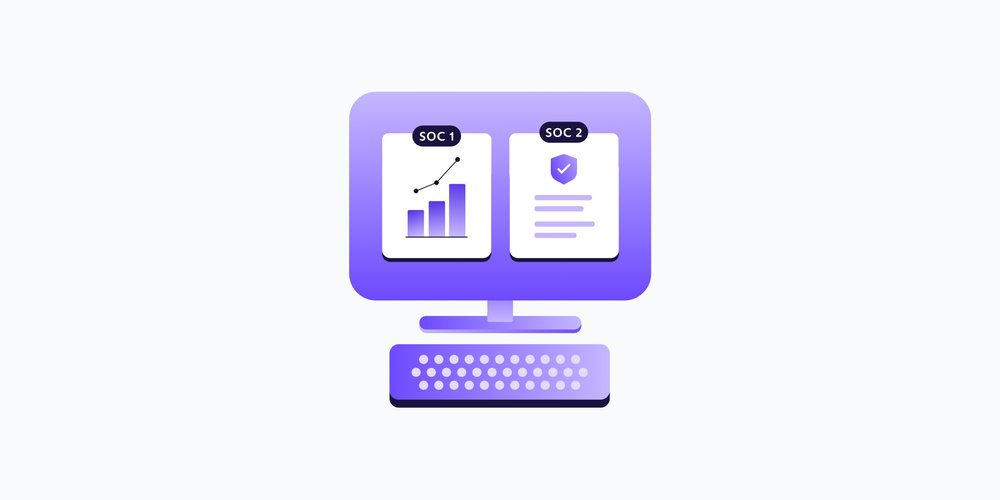
Proton is ISO 27001 certified, SOC 2 Type II audited, and supports compliance with frameworks such as GDPR, HIPAA, and CCPA. Based in Switzerland, Proton protects your data under strong Swiss and European privacy laws, helping keep it outside the reach of US surveillance and foreign access requests.
None of this replaces the need for contingency planning. But the fewer fires your team has to fight, the more those plans stay where they belong — in the drawer, ready but unused.
Frequently asked questions about contingency plans
What’s the difference between a contingency plan and a mitigation plan?
A contingency plan is reactive, outlining what you need to do after a specific risk occurs. Mitigation plans focus on reducing the likelihood of that risk happening in the first place, making them proactive. Businesses generally need both to ensure business continuity: mitigation plans to minimize exposure, and contingency plans for when something gets through despite those efforts.
How often should you update a contingency plan?
Review your contingency plan whenever a major change affects your team, tools, vendors, or operations. Plan a review cadence outside of these changes, such as at the start of each quarter, to catch any instructions that might no longer serve your business.
What are some examples of contingency plans?
Some common scenarios businesses build contingency plans for include:
- Cybersecurity incidents: Who leads the response, how affected clients are notified, and how systems are isolated and restored.
- Key personnel departure: How responsibilities are redistributed, where critical knowledge is documented, and how handovers are managed. To make the offboarding process simpler to manage and more transparent, download our free offboarding checklist templates.
- Vendor or supplier failure: Which backup vendors are pre-approved, how to adjust project timelines, and how to communicate delays to clients.
- Regulatory or policy changes: How to assess the impact on current projects, who’s responsible for compliance adjustments, and what client communications are needed.