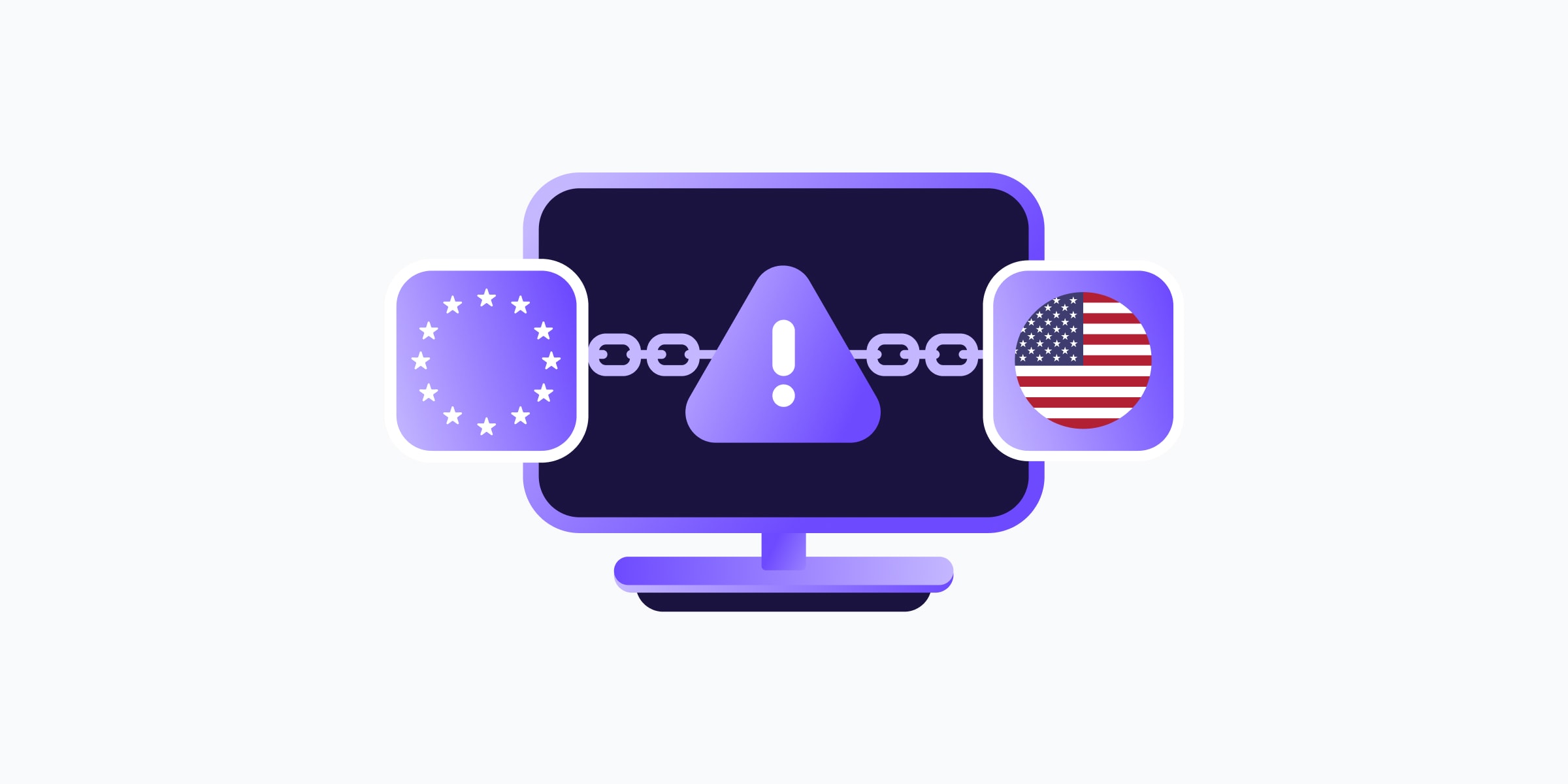
Para pemimpin bisnis Eropa tidak percaya bahwa mereka memegang kendali atas alat digital mereka. Ditemukan bahwa 74% dari mereka khawatir sakelar pemutus AS akan mengganggu operasional mereka — jumlah yang hampir sama dengan mereka yang mengkhawatirkan ransomware atau serangan siber.
Temuan tersebut, yang diungkapkan dalam survei Proton terhadap 1.500 pemimpin bisnis Eropa, mengindikasikan bahwa tim kepemimpinan dan ruang rapat kini mempertimbangkan risiko geopolitik tingkat tinggi pada skala yang sama dengan ancaman peretas sehari-hari.
Relatif jarang bagi pemerintah asing untuk memerintahkan perusahaan teknologi memutus akses ke layanan, yang oleh para pembuat kebijakan UE disebut sebagai “sakelar pemutus”. Namun, contoh-contoh menonjol dari AS telah memicu kekhawatiran dalam beberapa bulan terakhir.
Washington mengisyaratkan ancaman terhadap Greenland(jendela baru) yang membuat bisnis dan pembuat kebijakan Denmark khawatir, memutus akses Microsoft ke Mahkamah Pidana Internasional(jendela baru), dan membatasi akses global ke model bahasa besar yang andal.
Tambahkan ketegangan ini pada risiko pemadaman teknis biasa, dan organisasi kini beralih ke strategi kelangsungan bisnis untuk meminimalkan risiko mereka, dengan menyiapkan alat komunikasi dan operasional cadangan agar dapat terus bekerja selama waktu henti.
Untuk memahami apakah Eropa siap menghadapi pemadaman, serangan siber, atau penyedia yang memutus akses secara langsung, dilakukan survei multi-negara yang menanyakan kepada para pendiri, CEO, dan direktur IT tentang dampak gangguan teknologi.
Berikut adalah temuan yang diperoleh.
56% menyatakan risiko geopolitik merupakan faktor dalam keputusan pembelian teknologi mereka
Khawatir pemerintah AS dapat memerintahkan penyedia layanan untuk memutus layanan IT bagi bisnis asing dalam semalam, bisnis Eropa mempertimbangkan risiko ini sama besarnya dengan ransomware atau serangan siber.
Kekhawatiran tersebut beralasan. Pemerintah AS telah menunjukkan kesediaan untuk menggunakan kekuasaan eksekutif, termasuk sanksi, kontrol ekspor, atau ancaman tarif, untuk mencapai tujuan kebijakan luar negeri.
Kekhawatiran akan sakelar pemutus kini setara dengan ketakutan akan serangan siber

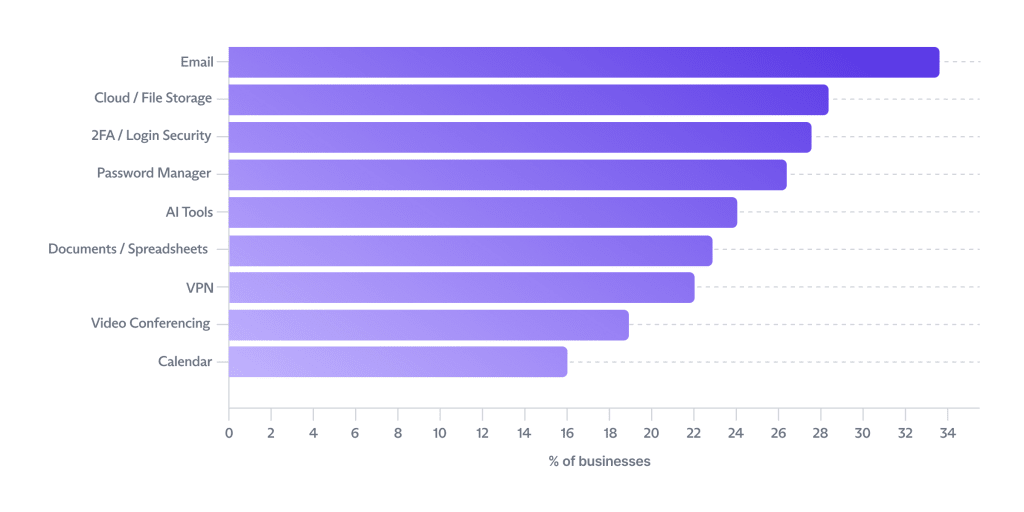
Jika ransomware dan serangan siber layak dimitigasi dengan paket keamanan, maka risiko sakelar pemutus dan pemadaman juga layak mendapatkan respons proaktif. Kenyataannya, respons yang diberikan tidak merata, dengan organisasi yang mengadopsi solusi kelangsungan bisnis untuk satu sistem pada satu waktu. Hanya 34% bisnis yang memiliki cadangan untuk platform terpenting mereka: email.
Cakupan kelangsungan bisnis bagaikan tambal sulam
Sakelar pemutus dapat berdampak pada seluruh tumpukan teknologi. Jika semua layanan berbasis di AS, penyedia sekunder yang juga merupakan perusahaan AS mungkin tidak akan membantu. Hanya diversifikasi di luar yurisdiksi AS yang memberikan solusi.
Dua pertiga bisnis akan beralih penyedia setelah pemadaman yang dipicu oleh pemerintah

Mayoritas bisnis yang jelas bersedia untuk bertindak. Bisnis merencanakan setiap jenis gangguan — pemadaman, serangan siber, kehilangan akses. Mereka tahu bahwa apa pun penyebabnya, kerugian akibat terhentinya operasional terlalu besar untuk diabaikan.
54% bisnis tidak dapat menanggung satu hari pun kehilangan akses
Tanpa memandang ukuran mereka, 86% bisnis yang disurvei menyatakan bahwa mereka mengalami setidaknya satu gangguan dalam 12 bulan terakhir akibat pemadaman, serangan siber, atau kehilangan akses ke suatu layanan. Dan mereka menyatakan bahwa ada kerugian finansial yang nyata.
Sebagian besar bisnis hidup dalam batas aman 24 jam di mana sakelar pemutus atau pemadaman teknis akan langsung menjadi krisis operasional.
Sebagian besar bisnis hanya berjarak satu hari buruk dari penutupan operasional
Lebih dari setengah (54%) bisnis menyatakan bahwa mereka tidak dapat bertahan lebih dari satu hari kerja sebelum harus menutup layanan dan operasional hingga alat digital kembali daring. Dan setiap hari waktu henti disertai dengan biaya nyata, dengan dampak yang memengaruhi keuangan perusahaan dan kemampuannya untuk beroperasi.

DIBACA LEBIH LANJUT: Seberapa dalam ketergantungan Eropa?
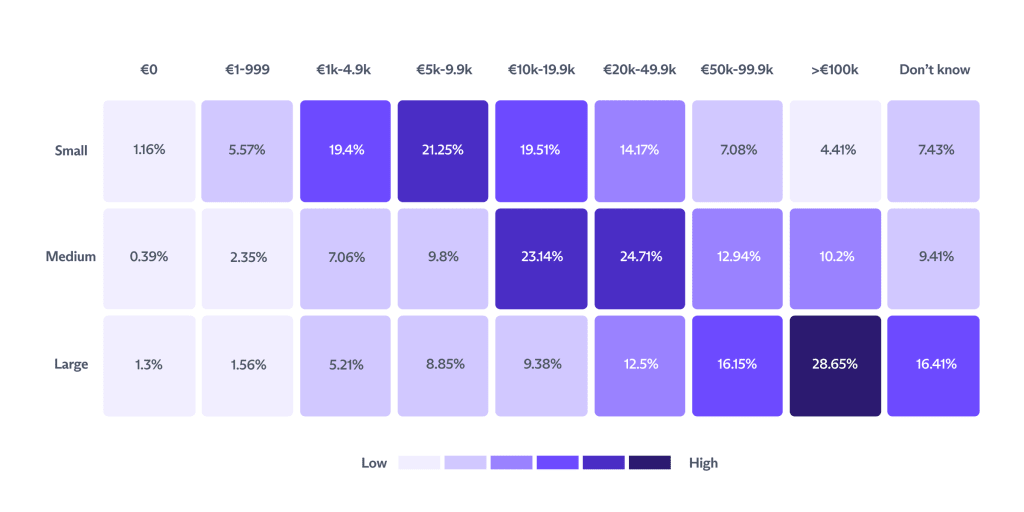
Hampir 1 dari 3 bisnis besar memperkirakan kerugian enam digit dari satu hari luring
Kerugian berskala sesuai dengan ukuran, seperti yang diperkirakan — meskipun angkanya cukup mengejutkan: 29% bisnis besar memperkirakan akan kehilangan lebih dari €100.000 dari satu hari waktu henti.
Pemadaman teknologi memukul setiap bagian bisnis
Satu hari luring tidak hanya ditampilkan di lembar neraca. Hal ini menghentikan pekerjaan itu sendiri, meregangkan hubungan dengan pelanggan, dan, bagi sebagian bisnis, mengikis reputasi mereka lama setelah akses dipulihkan.

Namun, di mana kerusakan itu terjadi bervariasi tergantung pada apa yang sebenarnya dilakukan oleh bisnis tersebut.
Segmen teknologi dan perangkat lunak sangat terpengaruh secara tidak proporsional di setiap kategori, dengan “tidak dapat tetap produktif” sebagai dampak utamanya. Karena seluruh bisnisnya adalah infrastruktur digitalnya, sakelar pemutus mengancam pendapatan, operasional, pelanggan, dan reputasi sekaligus.
Penyedia layanan kesehatan paling merasakannya di email dengan 35% melaporkan gangguan di sana, yang tertinggi dari industri mana pun. Sektor ini menilai kerusakan reputasi sebagai ancaman yang lebih besar (31%) daripada segmen lainnya, mencerminkan betapa pentingnya kepercayaan dan persepsi publik ketika sistem yang menghadap pasien mati.
Perusahaan layanan bisnis paling merasakannya dalam kemampuan mereka untuk melayani pelanggan dengan 40% menyatakan bahwa gangguan akan membuat mereka tidak dapat memberikan dukungan kepada klien,
94% bisnis telah memiliki paket kelangsungan bisnis
Hanya 6% bisnis yang menyatakan mereka tidak memiliki paket sama sekali, atau tidak tahu apakah mereka memilikinya. Namun, “memiliki paket” mencakup berbagai tingkat kesiapan: 44% menguji paket mereka secara teratur, 36% memilikinya tetapi tidak mengujinya, dan 13% menggambarkannya sebagai informal.
Saat mempertimbangkan paket kelangsungan bisnis, temuan survei menunjukkan beberapa kesimpulan penting:
- Identifikasi penyedia mana yang dimiliki oleh AS — perusahaan AS dapat dipaksa untuk memutus layanan, meskipun di-host di server UE.
- Pikirkan dalam sistem yang terhubung. Email, kalender, penyimpanan, dan komunikasi tidak selalu gagal secara terisolasi selama pemadaman atau sakelar pemutus.
- Pilih solusi kelangsungan bisnis sebelum krisis melanda, bukan saat krisis terjadi. Pemadaman menjadi krisis operasional dalam beberapa jam saja.
- Uji bagaimana kinerja paket kelangsungan bisnis terhadap skenario sakelar pemutus penuh, bukan hanya satu sistem yang mati.
Solusi kelangsungan bisnis Proton berjalan di infrastruktur Eropa, independen dari Google, Microsoft, dan Amazon. Sehingga saat Big Tech mati, operasional tidak ikut terhenti bersama mereka. Siapkan akun tidak aktif sekarang, dan tim dapat beralih saat alat utama gagal, tanpa gangguan pada email, kalender, atau konferensi video.
Metodologi
Survei ini dilakukan oleh Proton terhadap 1.500 pemimpin bisnis di Inggris Raya, Jerman, dan Prancis (500 responden per negara), dilakukan pada 15–24 Juli 2026. Responden disaring untuk keterlibatan dalam keputusan teknologi, cadangan, keamanan, atau kelangsungan perusahaan mereka — 32% diidentifikasi sebagai pengambil keputusan utama, 38% bagikan pengambilan keputusan, dan 30% memengaruhi rekomendasi. Responden mencakup berbagai peran, termasuk pemimpin IT (16%), pendiri/pemilik (7%), tim pemasaran dan penjualan (12%), HR/People Ops (11%), dan keuangan/pengadaan (10%), di antara yang lainnya. Industri yang diwakili meliputi teknologi/perangkat lunak (22%), layanan kesehatan (26%), layanan bisnis (15%), dan pendidikan/penelitian (15%).